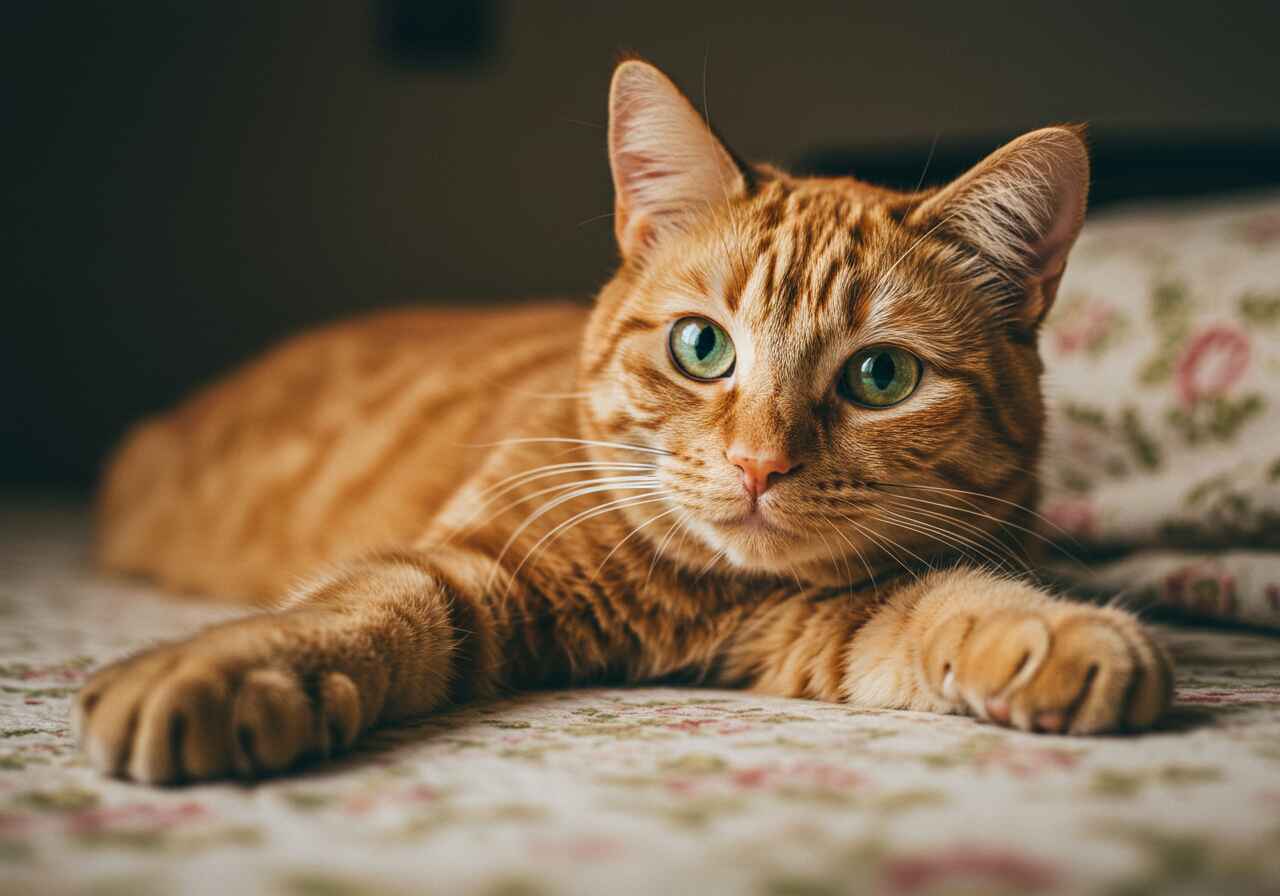
Have you ever seen a cat that appears to be wearing oversized mittens or tiny boxing gloves? If so, you’ve likely encountered a polydactyl cat – a feline with a unique genetic gift that gives them extra toes. These special cats are capturing hearts everywhere, not for their rarity, but for their charming appearance and fascinating history.
I’ll never forget our polydactyl cat named Flurrie, who had six perfectly formed toes on each front paw. As a kitten, his feet seemed comically large for his body, giving him an endearing, almost clumsy appearance.
Those extra digits never caused him any trouble – in fact, they made him uniquely adept at picking up toys and opening cabinets. His “thumbs” weren’t just cute; they were functional, making us wonder if he was evolving before our very eyes.
What Exactly is a Polydactyl Cat?
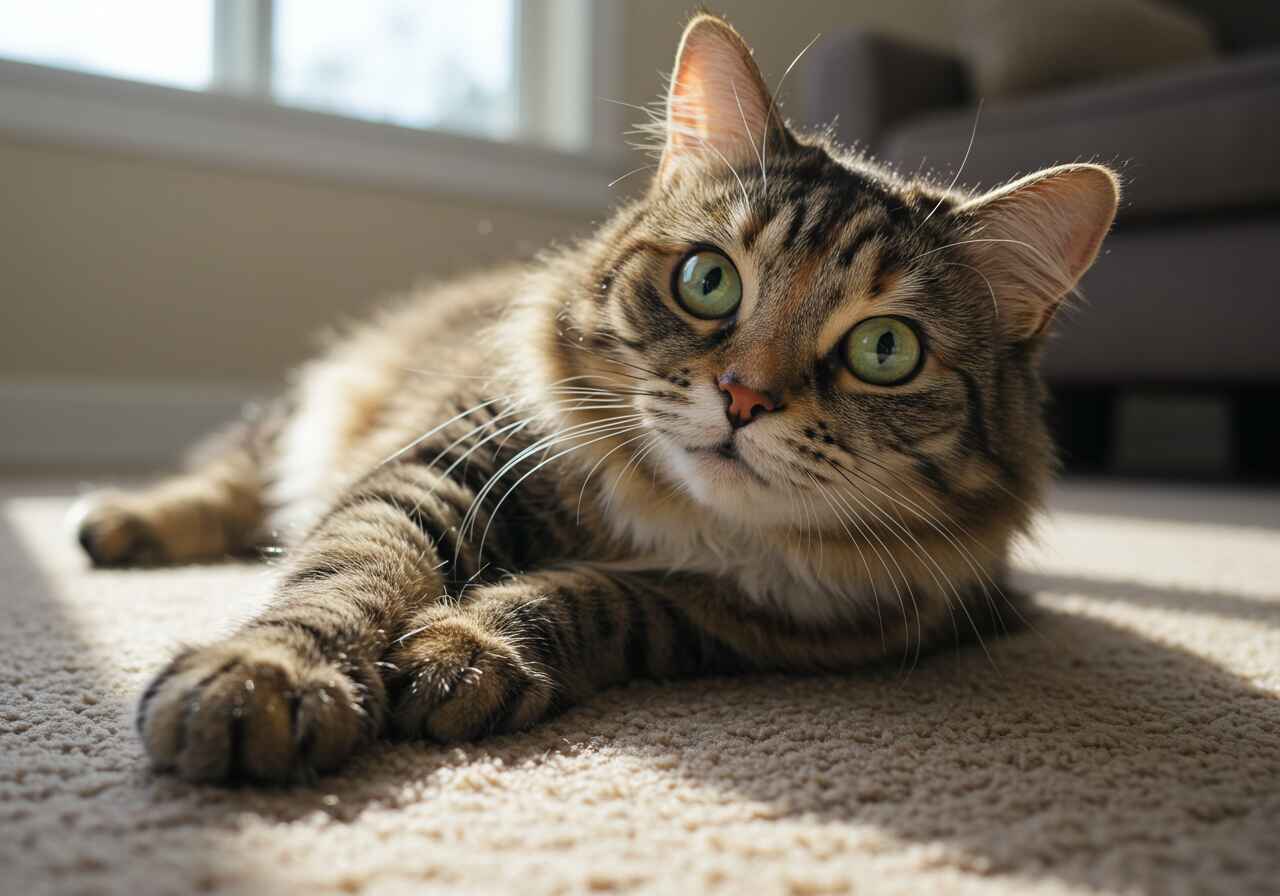
The term polydactyl comes from the Greek words poly (many) and daktylos (digits). This congenital condition results from a harmless genetic mutation that causes cats to be born with extra toes – typically six to eight on their paws rather than the usual five on front feet and four on back feet.
Contrary to what many believe, polydactyl cats are becoming increasingly common rather than rare. The mutation involves a dominant gene, meaning only one parent needs to carry the trait for it to be passed to offspring. This genetic advantage explains why polydactyl cat populations are growing, particularly in specific regions like North America’s eastern coast and southwestern England.
The Fascinating History Behind These “Mitten Cats”
Seafaring Companions with Practical Paws
The story of polydactyl cats is deeply intertwined with maritime history. Ship captains particularly valued these cats for their alleged superior mousing abilities. The broader paws with extra digits were thought to provide better balance on rocking ships and more effective rat-catching skills. This maritime connection helps explain why polydactyl cat populations flourished in port cities along the Eastern seaboard.
The Hemingway Connection: How One Writer Popularized Polydactyl Cats
The most famous chapter in the polydactyl cat story involves author Ernest Hemingway. The writer received a white six-toed cat from a ship’s captain while living in Key West, Florida. Hemingway became so enamored with these special felines that he began collecting them. Today, the Ernest Hemingway Home and Museum houses approximately 50 polydactyl cats – many descended from his original pets.
This association has led to polydactyl cats often being called “Hemingway cats,” though they answer to many other affectionate nicknames:
- Mitten cats
- Thumb cats
- Boxing cats
- Six-fingered cats
- Double-pawed cats
Understanding the Genetics: Why Do Polydactyl Cats Have Extra Toes?
The polydactyl cat trait stems from a mutation in the ZRS (ZPA Regulatory Sequence), a genetic region that controls limb development. This dominant autosomal gene means:
- Only one parent needs to carry the gene for kittens to inherit the trait
- Approximately 40-50% of a polydactyl cat’s offspring will have extra toes
- The mutation can manifest differently even within the same litter
There are three main presentations of polydactyl cat paws:
Mitten-Paw Polydactyls
The extra toes form alongside the normal toes, creating a thumb-like appearance that resembles a mitten. This is the most common form.
Snowshoe Polydactyls
The toes fan out evenly, creating broad, snowshoe-like paws that provide excellent weight distribution.
Hamburger-Paw Polydactyls
Multiple extra toes create extremely wide, rounded paws that look like small hamburger patties.
Health Considerations: Are Extra Toes Problematic?
For the vast majority of polydactyl cats, the condition is completely harmless. However, responsible owners should be aware of a few considerations:
Nail Care is Crucial
The extra toes mean extra claws that require regular trimming. Because some claws may not wear down naturally through scratching, they can become overgrown and potentially curl into the paw pads. Monthly nail checks and trims are essential for your polydactyl cat’s comfort.
Rare Complications
In very rare cases, the extra toes might be malformed or have abnormal bone connections that could cause discomfort. If you notice your polydactyl cat limping or favoring a paw, consult your veterinarian. Most issues are easily managed with proper care.
The Dexterity Advantage
Many polydactyl cat owners report that their pets display remarkable manual dexterity. Some can:
- Open cabinet doors and latches
- Pick up small objects
- Turn doorknobs (in rare cases)
- Manipulate toys with surprising precision
This increased dexterity means you might need to child-proof your home against your clever polydactyl cat’s curious paws!
Polydactyl Cats in the Show Ring
While most major cat registries like the Cat Fanciers’ Association (CFA) disqualify polydactyl cats from championship status, there’s a growing movement to recognize these special felines. The International Cat Association (TICA) now allows polydactyl cats to be shown in the “Household Pet” category, celebrating their uniqueness rather than penalizing it.
Caring for Your Polydactyl Cat: Special Considerations
Enhanced Paw Maintenance
Your polydactyl cat will need regular paw inspections to ensure debris isn’t trapped between the extra toes. Gently separate the toes during grooming sessions to check for matting or foreign objects.
Environmental Enrichment
Capitalize on your polydactyl cat’s natural abilities by providing puzzle toys that reward manipulation. Food-dispensing toys that require rolling or lifting lids are particularly engaging for these clever cats.
Veterinary Communication
Always inform your veterinarian about your cat’s polydactylism, especially if sedation is required for procedures. The extra toes mean additional claws that need attention during any medical care.
The Future of Polydactyl Cats
As attitudes toward genetic diversity in cats evolve, polydactyl cats are enjoying renewed appreciation. Breeders and conservationists are even working to preserve specific polydactyl cat lines, recognizing their historical significance and unique characteristics.
What was once primarily a practical trait for ship cats has become a beloved characteristic for house cats. The polydactyl cat represents nature’s delightful variability – a reminder that perfection comes in many forms, including those with a few extra toes.
Frequently Asked Questions:
Are polydactyl cats a specific breed?
No, polydactylism is a genetic trait that can appear in any cat breed, including mixed breeds. It’s most commonly associated with Maine Coons due to their historical prevalence in northeastern America.
Do extra toes give polydactyl cats any advantages?
Many polydactyl cats demonstrate enhanced dexterity and balance. Their broader paws can function like natural snowshoes in winter conditions, and some appear better at manipulating objects.
Are there any health problems associated with polydactylism?
For most cats, the condition is harmless. Rarely, malformed toes might cause discomfort or require surgical correction. Regular nail trims are essential to prevent ingrown claws on the extra digits.
How common are polydactyl cats?
They’re increasingly common, especially in regions with historical maritime connections like the Northeastern U.S. and Southwestern England. The dominant gene means the trait spreads easily through populations.
Can polydactyl cats be shown in cat competitions?
Most major registries disqualify them from championship status, but TICA now allows polydactyl cats in household pet categories. Attitudes are gradually changing as appreciation for genetic diversity grows.
Do polydactyl cats require special care?
They need regular nail trims on all toes, including the extras. Paw inspections should be more thorough to check for debris trapped between the additional digits. No other special care is typically needed.
Why are they called “Hemingway cats”?
Author Ernest Hemingway received a polydactyl cat from a ship’s captain and became an enthusiastic collector. His Key West home, now a museum, houses dozens of polydactyl cats descended from his original pets.
Do polydactyl cats have different personalities from normal cats?
Polydactyl cats don’t have a specific personality type linked to their extra toes – their temperament depends more on breed and individual traits. However, many owners report that their polydactyl cats show remarkable intelligence and problem-solving skills, possibly due to their enhanced dexterity. Some seem more “handsy” and curious about manipulating objects, but overall, they’re just as varied in personality as normal cats.
Are there specific polydactyl cat breeds?
Polydactylism isn’t breed-specific but appears more frequently in certain breeds. Maine Coons have the strongest association due to their historical prevalence in New England where the trait was common. While no breed standard requires extra toes, you’ll find polydactyl cats in various breeds including American Shorthairs, Norwegian Forest Cats, and even mixed breeds. It’s a genetic trait that can appear in any cat population.
How much is a polydactyl cat worth?
The value varies significantly. A typical polydactyl cat from a shelter costs the same as any other cat ($50-150 adoption fees). From breeders, prices might be slightly higher if they specialize in polydactyl lines ($300-600), but reputable breeders don’t usually charge substantial premiums just for extra toes. The real value isn’t monetary – it’s in their unique characteristics and historical significance.
Where can I find polydactyl cats for adoption?
You can find polydactyl cats for adoption through:
- Local animal shelters and rescue groups (especially in Northeastern US regions)
- Breed-specific rescues for Maine Coons
- Online platforms like Petfinder.com (use “special needs” or “physical characteristics” filters)
- Hemingway Cat Rescue organizations specifically dedicated to polydactyl cats
What’s the difference between polydactyl cats and normal cats?
The main differences are physical rather than behavioral. Polydactyl cats vs normal cats comparison shows:
- Extra toes (typically 1-2 additional digits per paw)
- Broader, often mitten-like paws
- Potential for increased dexterity and object manipulation
- Need for more attentive claw maintenance
- No significant health or lifespan differences
- Same care requirements aside from paw maintenance
Are polydactyl cats considered disabled or special needs?
Not at all – polydactyl cats are generally healthy and fully functional. The condition is purely physical and doesn’t typically cause mobility issues or pain.
They’re not classified as special needs unless they have rare complications like malformed toes. Most polydactyl cats navigate life just as effectively as their normal-toed counterparts.
Can polydactyl cats retract their extra claws?
Yes, most polydactyl cats can retract all their claws, including the extra ones. The claw mechanism works the same way regardless of how many toes they have.
However, because the extra claws may not get natural wear from scratching, they often require more frequent trimming to prevent overgrowth.
Final Words: Celebrating Nature’s Perfect Imperfections
Polydactyl cats remind us that nature’s most charming creations often come with delightful variations. Those extra toes aren’t just a genetic quirk – they’re a testament to feline adaptability and a living connection to maritime history. Whether they’re opening cabinets with surprising dexterity or simply winning hearts with their mitten-like paws, these special cats demonstrate that perfection comes in many forms.
Related Posts: