
Gone are the days when grooming was just about keeping your dog photogenic for the ‘gram. In 2025, we understand that the rituals of brushing, bathing, and trimming between professional appointments are fundamental acts of preventative healthcare and powerful bonding.
Mastering a few basic techniques at home doesn’t just keep your dog’s coat in tiptop shape, it transforms you into an active partner in their overall wellbeing.
This comprehensive guide goes beyond simple tips. We’ll explore the latest in pet-safe products, evidence-based calming methods, and a step-by-step approach to ensure that your at-home dog grooming sessions are safe, effective, and surprisingly enjoyable for both of you.
More Than a Pretty Coat: The Holistic Benefits of Home Grooming
While a clean dog is a happy dog, the advantages of regular dog grooming run much deeper than skin level.
Early Health Detection: Your Hands as a Diagnostic Tool
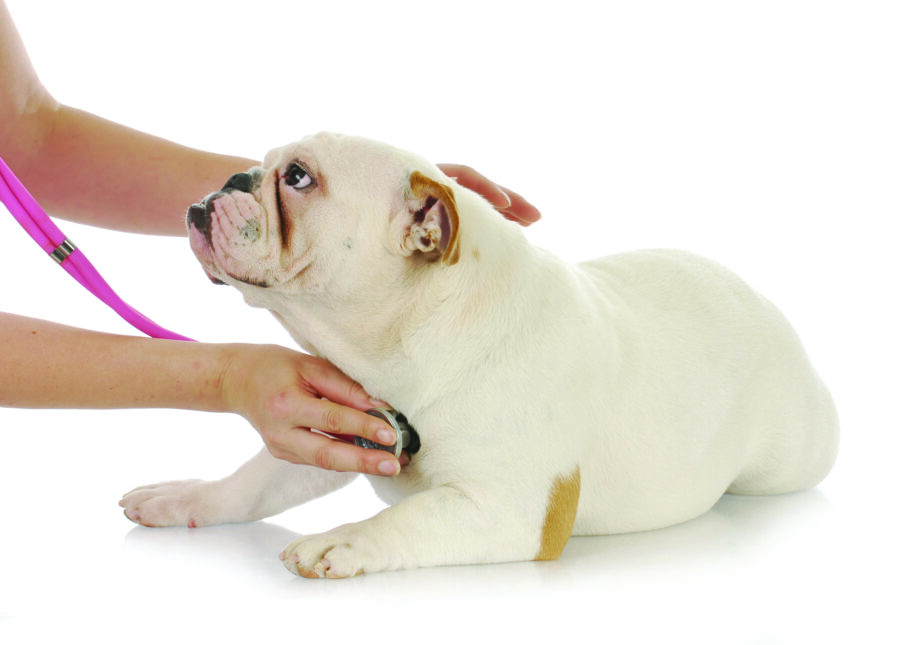
Your hands are your most valuable tool. Consistent, hands-on grooming makes you intimately familiar with your dog’s body. This allows you to become the first line of defense in detecting subtle changes that might otherwise go unnoticed. You’ll be the first to feel a new lump, spot a hidden tick, notice dry patches of skin, or identify a sensitive area. This proactive approach to dog health can lead to earlier veterinary consultations and better outcomes.
Strengthening Your Bond Through Touch
Dog grooming is built on trust. The gentle handling, soothing tones, and positive reinforcement required during a session release oxytocin—the “bonding hormone”—in both you and your dog. This repeated, positive interaction builds a foundation of security and deepens your connection, turning a routine chore into a cherished ritual.
Building Your Grooming Toolkit: Smart Investments for Success
Using the correct, high-quality tools is non-negotiable for a safe and effective dog grooming experience. Dull blades or the wrong brush can cause discomfort, fear, and even injury.
Brushes & Combs: Matching the Tool to the Coat Type
- Slicker Brush: Essential for most coats. Its fine, short wires are perfect for removing loose hair from the undercoat and preventing mats. Ideal for medium-to-long-haired and double-coated breeds.
- Undercoat Rake: A game-changer for heavy shedders like Huskies and German Shepherds. It reaches deep into the dense undercoat to remove dead hair without damaging the topcoat.
- De-matting Comb: Specifically designed with rotating teeth to gently and safely break apart mats without painful pulling. Never use scissors on a mat close to the skin.
- Grooming Glove: Excellent for short-haired breeds or dogs who are nervous about brushes. It feels like a petting session while removing loose hair.
Shampoo & Conditioner: The Rise of Skin-Microbiome Friendly Formulas
The trend in 2025 is moving toward supporting the skin’s natural microbiome. Avoid harsh, human, or cheap commercial shampoos that strip natural oils.
- Look For: pH-balanced, all-natural, or organic formulas free from sulfates, parabens, and synthetic dyes. Oatmeal, aloe vera, and coconut oil are excellent, soothing ingredients.
- New for 2025: Probiotic-infused shampoos designed to support a healthy skin barrier are gaining popularity for dogs with sensitivities.
Clippers, Dryers & Nail Tools: Technology for Calmer Pets
- Clippers: Invest in clippers specifically designed for pets. They have more power and better blade ventilation. Look for low-vibration models to reduce anxiety.
- Dryers: A human hair dryer is too hot and can easily burn a dog’s skin. Use a pet-specific dryer that blows room-temperature air. High-velocity dryers are efficient for thick coats, while “low-noise” options are available for fearful dogs.
- Nail Trimmers: Guillotine-style or scissor-style trimmers work well. A dog nail grinder is an excellent alternative for dogs afraid of the “clip,” as it slowly files the nail down and eliminates the risk of cutting the quick.
The Step-by-Step Stress-Free Grooming Session
Pre-Grooming: Setting the Scene for Success
- Choose Your Location: A bathtub with a non-slip mat is ideal for larger dogs. For small dogs, a sink or washtub placed at waist level saves your back.
- Prep Your Station: Gather everything you need: shampoo, conditioner, towels, brushes, and treats. This prevents the stress of leaving your dog unattended.
- Set the Mood: Play calm music, speak in a soothing voice, and consider a canine-appeasing pheromone (Adaptil) diffuser or spray 15 minutes prior.
The Bathing Protocol: Water Temperature, Technique & Safety
- Brush First: Always brush out all tangles and mats before the bath. Water will tighten any existing mats, making them impossible to remove.
- Lukewarm Water is Key: Use lukewarm water—test it on your inner wrist. Thoroughly wet your dog’s coat, avoiding the face and ears.
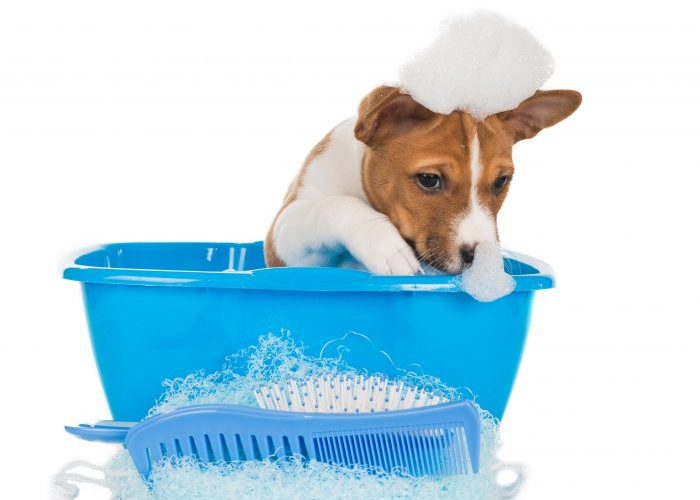
- Lather and Rinse: Dilute shampoo with water in a separate bottle for easier application. Massage it into the coat in a circular motion. Rinse until the water runs completely clear; leftover residue is a common cause of skin irritation.
- Protect the Eyes & Ears: Use a damp washcloth to clean the face. To prevent shampoo from getting in the eyes, apply a drop of mineral oil or a pet-safe eye lubricant before the bath.
Drying & Brushing: The Final Touches
- Towel Dry: Gently blot and squeeze the coat with a highly absorbent microfiber towel. Avoid vigorous rubbing.
- Blow Dry: Use your pet dryer on a cool setting, keeping it moving continuously. Brush the coat as you dry to achieve a straight, fluffy finish.
- Final Brush-Out: Once completely dry, give your dog a final brush with the appropriate tool for their coat type.
Navigating Common Grooming Challenges with Confidence
The Anxious Dog: Modern Calming Techniques
For a nervous dog, patience is your best tool.
- Desensitization: Introduce tools slowly. Let your dog sniff the clippers while they are off, then turned on at a distance, rewarding calm behavior.
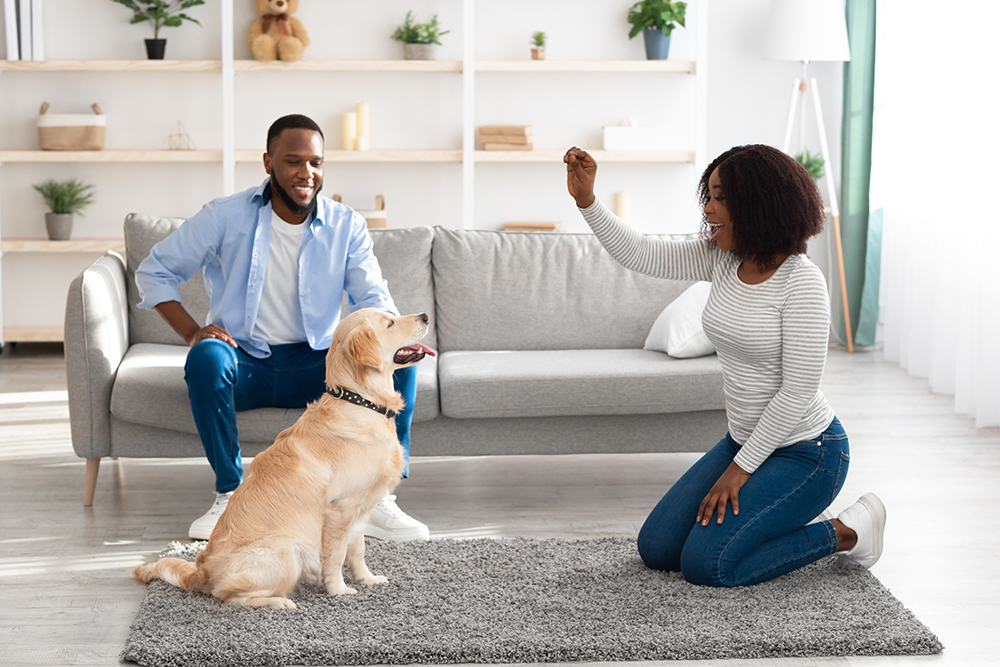
- High-Value Treats: Use special treats (like small pieces of plain chicken or cheese) exclusively for grooming.
- Calming Aids: Consult your veterinarian about safe options like Adaptil pheromones or calming supplements containing ingredients like L-Theanine or Melatonin. Note: The use of essential oils directly on pets is now approached with greater caution; always consult your vet first, as many oils are toxic to dogs.
Dealing with Mats and Tangles Safely
If you find a mat, work it apart gently with your fingers or a de-matting comb from the tips inward. For severe mats close to the skin, do not attempt to cut them out. This is a job for a professional groomer to avoid serious cuts.
Nail Trimming Without the Fear
If you’re nervous about hitting the quick (the pink, blood-filled part of the nail), trim tiny amounts more frequently. For dark nails, trim small slivers until you see a white dot with a black center in the middle of the nail—this is the start of the quick. Using a grinder is often a safer, less stressful alternative.
When to Call a Professional: A Sign of a Responsible Owner
There is no shame in seeking help. If you encounter any of the following, it’s time to call a professional groomer:
- Your dog is extremely fearful or aggressive.
- You discover severe matting.
- You are unsure about trimming certain areas (like around the eyes or paws).
- Your dog has a pre-existing skin condition.
A professional groomer is your ally, not a last resort. They can even provide a “tutorial” session to help you build your skills.
Frequently Asked Questions (FAQs)
1. How often should I groom my dog at home?
It depends on the breed and coat type. Weekly brushing is recommended for most dogs. Bathing frequency varies from every 4-6 weeks for most breeds to only a few times a year for others. Over-bathing can strip essential oils.
2. What should I do if I accidentally cut my dog’s quick?
Stay calm. Apply a styptic powder or gel (like Kwik Stop) directly to the nail to stop the bleeding. Comfort your dog with a treat and praise. If bleeding persists for more than 10 minutes, contact your veterinarian.
3. Is it okay to use baby shampoo on my dog?
No. A dog’s skin has a different pH balance than human skin (or baby skin). Baby shampoo can be too harsh and disrupt the acid mantle, leading to dryness and irritation. Always use a shampoo formulated for dogs.
4. My dog hates the blow dryer. What can I do?
Desensitize them slowly. Let them investigate the off dryer, then reward them. Turn it on the lowest, coolest setting from across the room while giving treats. Gradually decrease the distance over multiple sessions. Using a low-noise dryer can also help immensely.
5. How can I prevent tear stains?
Regularly wipe the area around the eyes with a damp, soft cloth. Keep the hair around the eyes trimmed short. For persistent stains, consult your vet, as they can sometimes indicate dietary issues or blocked tear ducts.
6. What’s the best way to remove skunk odor?
The classic, vet-approved solution is a mixture of 1 quart of 3% hydrogen peroxide, 1/4 cup of baking soda, and 1-2 teaspoons of mild dish soap. Lather on (avoiding the eyes), let sit for 5 minutes, and rinse thoroughly. Do not store this mixture in a closed container.
Conclusion:
At-home dog grooming in 2025 is a holistic practice that blends care, connection, and health vigilance. By investing in the right tools, prioritizing your dog’s emotional state, and proceeding with patience, you transform a necessary task into a powerful expression of love. It’s not about perfection; it’s about the partnership you build, one gentle brushstroke at a time.
For those looking to deepen their knowledge and master these skills with structured, expert guidance, consider exploring professional resources. If you’re passionate about taking your care to the next level, you can learn more about professional dog grooming techniques through comprehensive online courses at the Animal Wellness Academy.