Turmeric for dogs has become one of the most talked-about natural supplements in pet wellness—and for good reason. This golden spice, well-known in human diets for its healing properties, can also support your dog’s health when used correctly. From easing joint pain to boosting immunity, turmeric offers a safe and natural way to improve your furry friend’s quality of life. In this guide, you’ll learn what turmeric is, why it’s important for dogs, how to use it safely, and what mistakes to avoid.
What Is Turmeric?
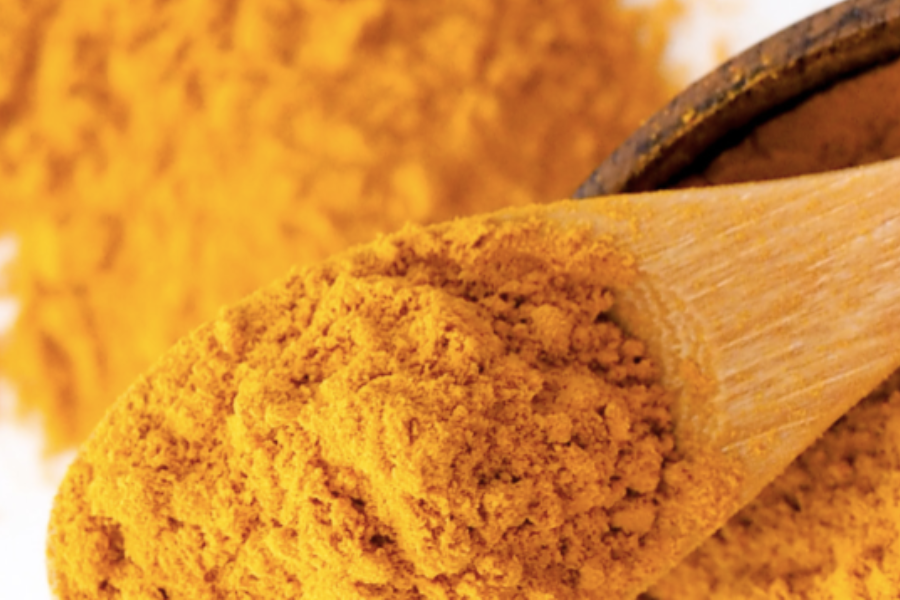
Turmeric is a bright yellow spice derived from the root of the Curcuma longa plant. Its active compound, curcumin, gives turmeric both its color and its powerful health benefits. For centuries, turmeric has been used in traditional medicine to fight inflammation, support digestion, and promote healing.
When it comes to turmeric for dogs, curcumin works in a similar way—it helps reduce inflammation, supports joint function, and can even improve digestion and skin health. However, because dogs process nutrients differently than humans, it’s important to use turmeric in the right form and dosage.
Why Turmeric Is Important for Dogs
Inflammation is a common cause of discomfort in dogs, whether from arthritis, allergies, or injury. Curcumin, the key component in turmeric, acts as a natural anti-inflammatory and antioxidant, helping your dog feel more comfortable and energetic.
Key Benefits of Turmeric for Dogs
- Joint and bone health: Turmeric supports flexibility and can reduce stiffness caused by aging or arthritis.
- Digestive support: It aids in healthy digestion and reduces bloating or discomfort.
- Skin and coat improvement: Turmeric’s anti-inflammatory properties can soothe skin irritation and promote healing.
- Immune system boost: Antioxidants help fight free radicals and support long-term health.
- Heart and liver health: Regular intake may help maintain healthy circulation and liver function.
Veterinarians often recommend turmeric as part of a holistic care plan for older or arthritic dogs, especially those showing signs of chronic pain or inflammation.
How to Give Turmeric to Your Dog: Step-by-Step Guide
If you’re new to using turmeric for dogs, start slowly. The goal is to find the right balance where your dog benefits from the supplement without digestive upset.
Step 1: Choose the Right Form
Turmeric comes in several forms—powder, capsules, or as a paste. The most effective option is turmeric paste (also known as “golden paste”), which combines turmeric with healthy fats and black pepper to improve absorption.
Step 2: Mix with Food
Add a small amount to your dog’s meal. Always pair turmeric with a fat source like coconut oil or olive oil to help your dog’s body absorb curcumin effectively.
Step 3: Start With a Low Dose
Begin with ¼ teaspoon for small dogs or ½ teaspoon for medium dogs, once daily. For larger breeds, start with ¾ to 1 teaspoon. Adjust slowly over time as your dog gets used to it.
Step 4: Monitor for Reactions
Watch for any signs of digestive upset, such as diarrhea or decreased appetite. If this happens, reduce the amount or pause use and consult your vet.
Step 5: Stay Consistent
For best results, consistency matters. Most pet owners notice improvements in mobility, coat quality, or energy after 3–4 weeks of regular use.
Comparing Forms of Turmeric for Dogs
| Form | Absorption Quality | Ease of Use | Best For | Notes |
|---|---|---|---|---|
| Turmeric Powder | Moderate | Easy to mix with food | Daily feeding | Combine with fat and pepper for best results |
| Golden Paste | High | Moderate prep time | Chronic joint issues | Most effective form for absorption |
| Capsules | Varies by brand | Convenient | Busy owners | Choose vet-approved brands with curcumin and piperine |
| Dog Treats with Turmeric | Moderate | Very easy | Picky eaters | Check for added sugars or fillers |
Practical Tips for Using Turmeric
- Pair with black pepper: Piperine, found in black pepper, increases curcumin absorption by up to 2,000%.
- Use healthy fats: Fats like coconut oil or fish oil improve bioavailability.
- Check your dog’s medications: Turmeric can thin blood slightly, so ask your vet if your dog is on any prescriptions.
- Store properly: Keep turmeric powder in a cool, dark place to maintain its potency.
- Consistency is key: Natural supplements work gradually—don’t expect instant results.
Common Mistakes to Avoid
- Overdosing: Giving too much turmeric can lead to diarrhea or stomach upset.
- Skipping vet advice: Always discuss new supplements with your veterinarian, especially for dogs with health conditions.
- Using human supplements: Some human turmeric products contain additives or sweeteners unsafe for pets.
- Ignoring absorption: Plain turmeric powder without fat or black pepper has limited effectiveness.
FAQs
1. Can I give turmeric to my dog every day?
Yes, turmeric can be given daily in small, controlled amounts. Always follow vet-approved dosage guidelines and monitor for side effects.
2. How long does it take for turmeric to work in dogs?
Most owners notice improvements in mobility or comfort within 3–4 weeks of consistent use.
3. Can turmeric replace prescription pain medications?
No, turmeric is a natural supplement, not a replacement for medical treatment. It can, however, complement your vet’s prescribed plan for chronic inflammation or joint issues.
Conclusion
Turmeric for dogs is a natural way to support joint health, reduce inflammation, and boost overall wellness. When introduced slowly and used correctly, it can become a valuable part of your dog’s diet. Always consult your vet before starting any new supplement and choose high-quality, pet-safe products. With patience and consistency, turmeric may help your dog move easier, feel better, and live a more vibrant life.