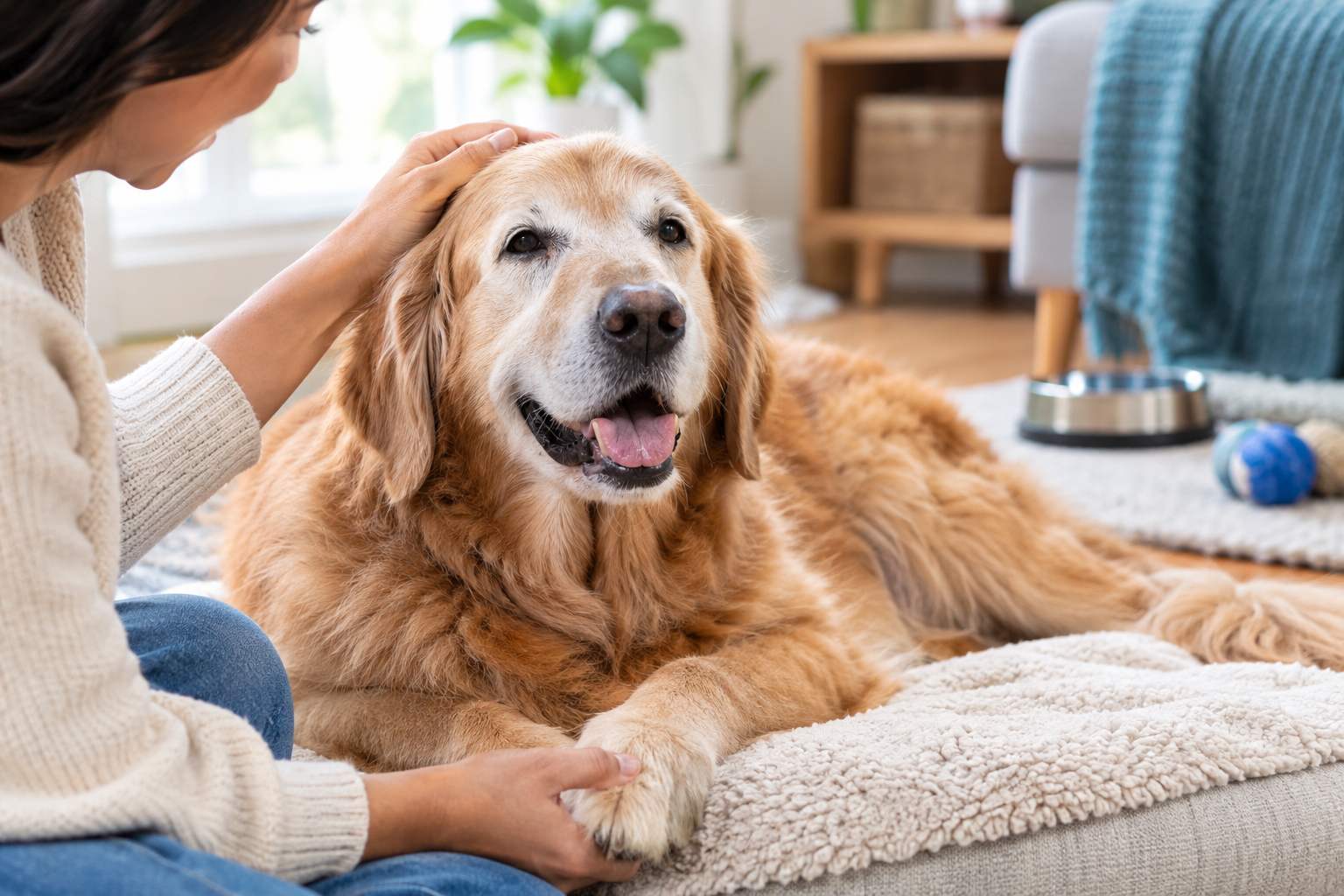
Researchers Audrey Ruple and Courtney Sexton from the Virginia-Maryland College of Veterinary Medicine are urging their fellow scientists to cast a wider net when it comes to data collection for studies on canine health. They argue that truly understanding the factors impacting the well-being of dogs requires a deeper examination of the shared environments and experiences of humans and their canine counterparts.
The Exposome Concept
At the heart of Ruple and Sexton’s perspective is the notion of the “exposome” — a term coined just 19 years ago to describe the totality of environmental influences on an individual’s quality of life. This includes not only physical factors like air quality and access to resources, but also social environment, financial standing, and interpersonal relationships.
The researchers highlight the substantial overlap between the exposomes of dogs and their human owners. And with dogs living much shorter lives than people, they propose that studying health outcomes in canines could provide invaluable insights into the most significant environmental determinants of well-being across both species.
Accounting for Human Diversity
To this end, Ruple and Sexton are advocating for the standardization of data collection on dog owners’ demographic information, including age, race, gender identity, geographic location, household composition, income, and education level. They contend that capturing this level of detail on the human participants is crucial for ensuring that research findings truly benefit diverse populations, rather than just reflecting the experiences of a narrow subset.
The Social Justice Angle
Exploring the connections between canine and human welfare more deeply, the researchers draw striking parallels between how dogs are treated and issues of community well-being and social justice. They point to discriminatory policies that restrict certain dog breeds or sizes, often used to limit housing access for people of different races, backgrounds, or socioeconomic status.
Conversely, they note that dog ownership can function as a form of social capital, facilitating conversations between neighbors and making unhoused individuals more visible and approachable. In this way, the presence of canine companions can actively contribute to the strengthening of human communities.
The One Health Imperative
Underlying Ruple and Sexton’s call to action is the fundamental principle of One Health — the recognition that human, animal, and environmental health are inextricably linked. They argue that companion animals, especially dogs, are uniquely positioned to serve as sentinels, providing crucial insights into the public health, social welfare, and individual well-being of the communities they share with their human counterparts.
By embracing a more holistic, human-centric approach to canine health research, the researchers believe we can achieve a deeper understanding of the complex, multifaceted factors shaping the quality of life for both dogs and the people who love them.