
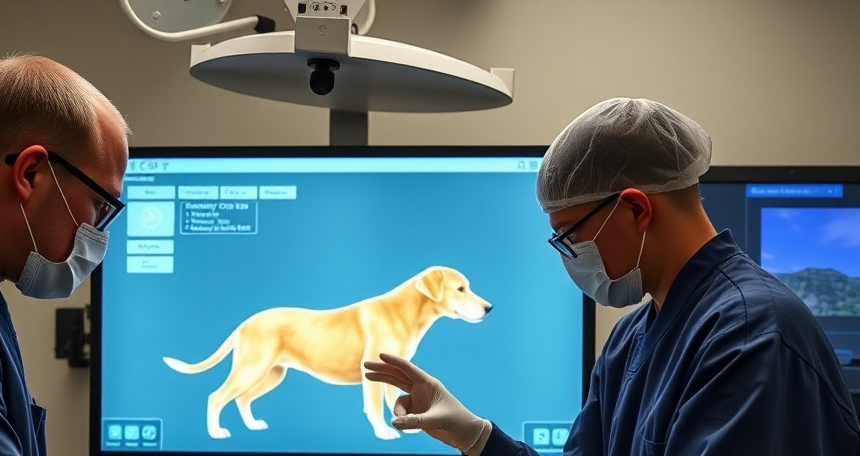
The transformative power of simulation-based training in shaping the competence and confidence of future veterinarians was recently validated by researchers at the University of Arizona Collage of Veterinary Medicine. Published in Frontiers in Veterinary Science, their findings offer a compelling case for the widespread integration of simulation-based practices in veterinary education.
Study Dynamics
The study was led by the surgical instruction team and investigated the efficacy of simulation training in developing anesthetic skills among veterinary students. Recognizing the critical importance of bridging the gap between theoretical knowledge and practical application, the researchers set out to explore how students with varying levels of prior anesthetic experience can hone their skills through simulation.
Results
The results were nothing short of remarkable. The study found that even students with no prior exposure to clinical anesthesia were ultimately able to display proficiency levels on a par with their more experienced counterparts. The researchers assert this is a testament to the sheer power of simulation training in nurturing skill acquisition and competence.
“Simulation training plays an indispensable role in developing anesthetic skills,” said Dr. Fernando Amitrano, Assistant Professor of Practice. “This immersive approach not only bolsters technical proficiency, but also instills a profound sense of confidence and preparedness in our students.”
The researchers emphasize that simulation training equips students with a diverse range of anesthesia-related skills, from pressure-checking anesthesia machines to executing complex procedures. This hands-on experience, they argue, is crucial in ensuring the next generation of veterinarians enters the field as day-one-ready professionals.
Armed with these findings, the researchers are now advocating for an expanded research agenda aimed at refining and augmenting anesthesia and surgical simulation programs. By empowering educators to optimize training methodologies, this study paves the way for a future where veterinary education is truly transformed by the power of simulation.
Final insight
As the veterinary community looks to the horizon, the message is clear: simulation-based training in veterinary education is not simply a tool, but a catalyst for cultivating a new era of competent, confident, and future-ready veterinarians.
https://vetmed.arizona.edu/news/impact-simulation-training-anesthetic-skills-veterinary-medicine