
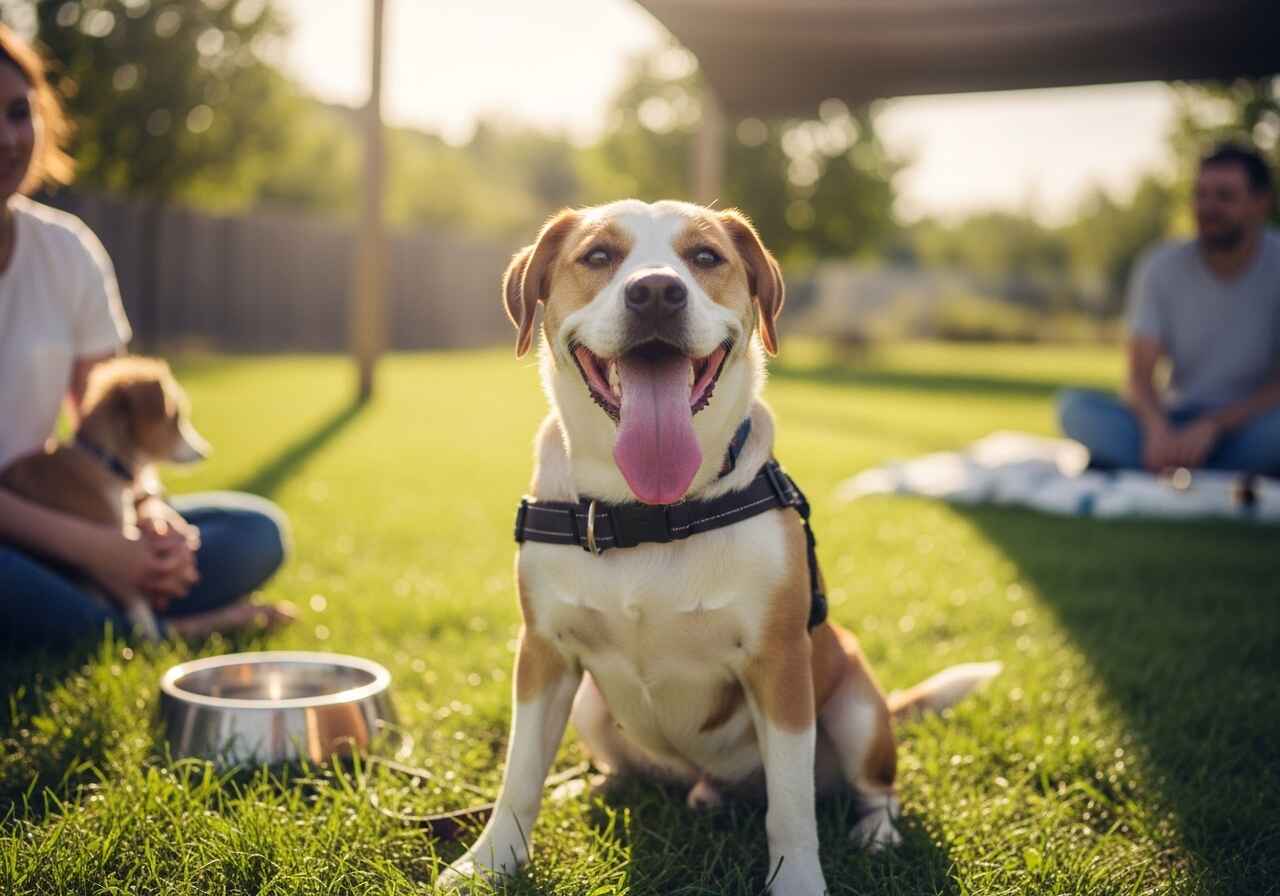
It’s a warm summer afternoon, and your dog is dashing around the yard, tail wagging, tongue out, and panting happily. Most dog parents know this sight well — panting is one of the most common behaviors we see. It’s how dogs cool themselves down and regulate their body temperature since they don’t sweat the way humans do. Most of the time, panting is perfectly normal and nothing to worry about.
But what if your dog is panting even when he’s not hot or exercising? What if the panting seems heavier, lasts longer, or happens at odd times — like while he’s resting or sleeping? That’s when it’s worth paying closer attention. Excessive panting can sometimes be a sign of stress, pain, or even a more serious health issue. As a responsible dog parent, it’s important to understand what’s normal, what’s not, and when it’s time to call the vet.
Let’s look at the most common reasons dogs pant — and what you can do in each situation to keep your furry friend safe and healthy.
Why Dogs Pant: 8 Common Reasons and What You Should Do About Each
1. Cooling Down in Warm Weather
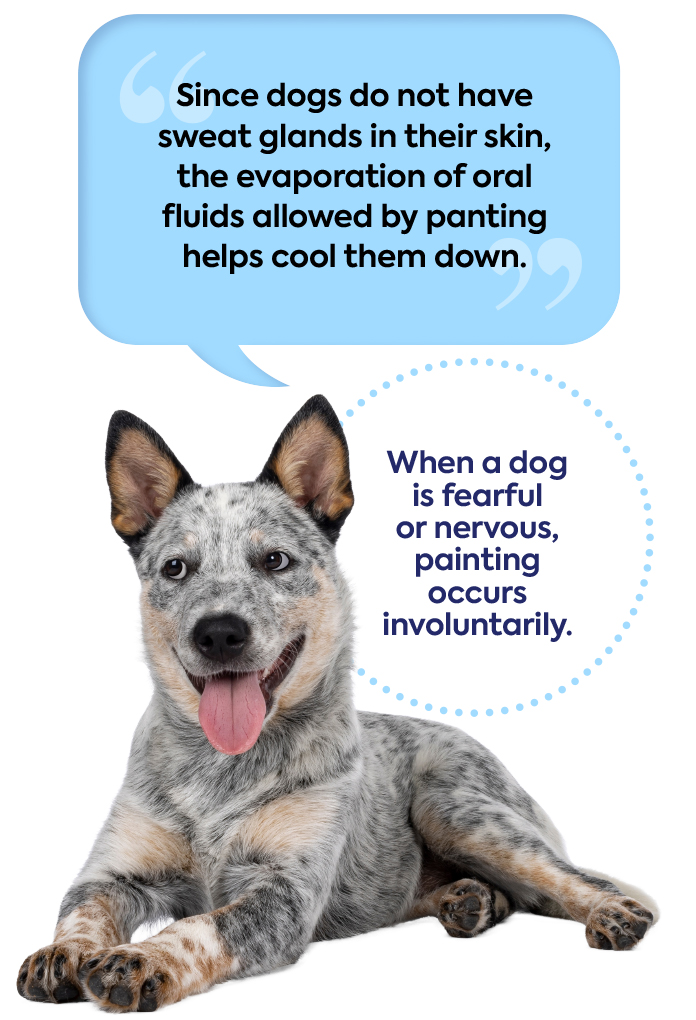
One of the main reasons dogs pant is to cool themselves down. Unlike us, dogs don’t sweat through their skin. Instead, they rely on the evaporation of moisture from their tongues and respiratory tracts to regulate their body temperature. Panting increases this evaporation process, which helps them release heat and stay cool.
Some breeds are more sensitive to heat than others. Dogs with thick double coats, such as Huskies and Golden Retrievers, tend to overheat more quickly. Brachycephalic (flat-faced) breeds like Bulldogs and Pugs can also struggle in warm weather because their short noses make it harder to breathe efficiently. Even a dog’s metabolism plays a role — those with a higher metabolic rate may pant more often to cool down.
What to do: Know your dog’s tolerance for heat and plan activities accordingly. Avoid midday walks in hot weather, and instead go out early in the morning or later in the evening when it’s cooler. Always provide access to fresh, clean water, and make sure your dog has a shady, well-ventilated space to rest. Indoors, use fans or air conditioning to keep the environment comfortable.
👉 Check out our guide on keeping your dog cool in summer.
2. Heat Stroke — A Life-Threatening Emergency
While panting is a natural cooling mechanism, it can quickly become dangerous if your dog is overheating. Heat stroke is a serious, potentially fatal condition that occurs when a dog’s body temperature rises to unsafe levels. It’s most common during the summer or after intense physical activity, especially in hot or humid conditions.
Along with heavy panting, signs of heat stroke include excessive drooling, red gums, weakness, confusion, unsteady walking, and even collapse. Flat-faced breeds are at higher risk because their airways make it harder to cool down efficiently.
What to do: If you suspect your dog is suffering from heat stroke, move them to a cool area immediately. Offer small amounts of cool (not cold) water, and gently cool their body with a damp towel on their paws and belly. Avoid rapidly cooling them with ice or cold water, as this can shock their system. Most importantly, call your veterinarian right away — heat stroke is a medical emergency.
3. Stress, Fear, or Anxiety
Panting isn’t always caused by temperature — it’s also an emotional response. Dogs often pant when they’re anxious, nervous, or scared. Common triggers include thunderstorms, fireworks, vet visits, car rides, separation from their family, or unfamiliar environments. Sometimes, the amount of panting is directly related to how stressed your dog is feeling.
Panting caused by anxiety usually comes with other signs, like pacing, whining, drooling, or hiding. If you notice your dog panting in situations where they’re likely stressed, it’s worth addressing the root cause.
What to do: Pay close attention to your dog’s behavior and identify what triggers their anxiety. Calming products, desensitization training, or simply creating a safe, quiet space can make a big difference. Regular exercise and positive reinforcement also help reduce stress. If anxiety is severe or frequent, talk to your vet about additional solutions.
4. Pain or Discomfort
Dogs are experts at hiding pain — it’s part of their survival instinct. But one of the subtle ways they may signal discomfort is through panting. If your dog is panting without any obvious reason like heat or exercise, pain could be the cause.
Pain-related panting can stem from many conditions, including arthritis, injuries, dental problems, gastrointestinal issues, or internal discomfort. You might also notice other signs, such as restlessness, limping, whining, or a change in posture.
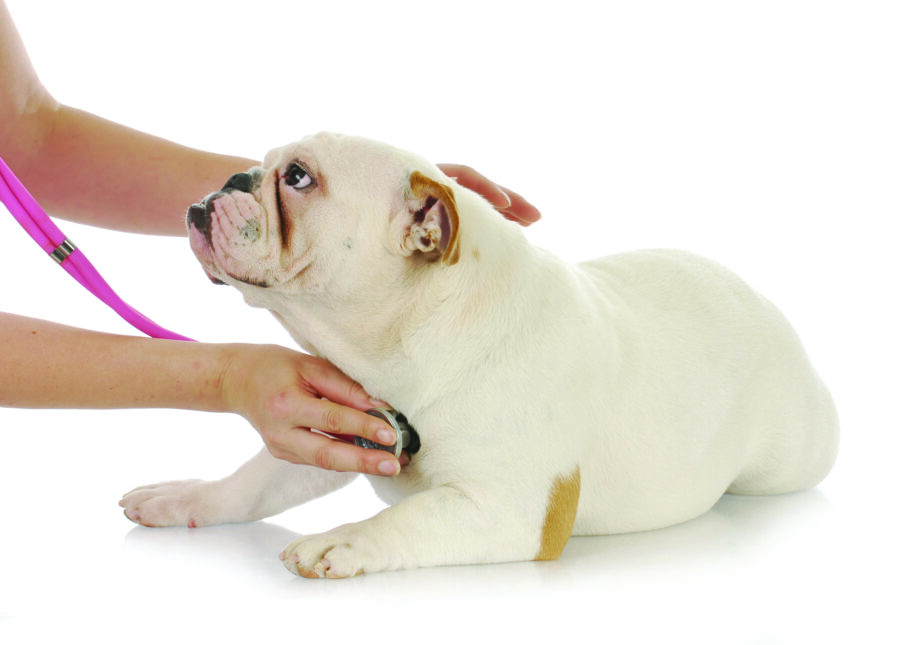
What to do: If you suspect your dog is in pain, schedule a veterinary appointment as soon as possible. Your vet can perform an exam and run tests to determine the cause and recommend appropriate treatment. Early detection is key to managing pain effectively and preventing more serious issues.
5. Side Effects from Medication
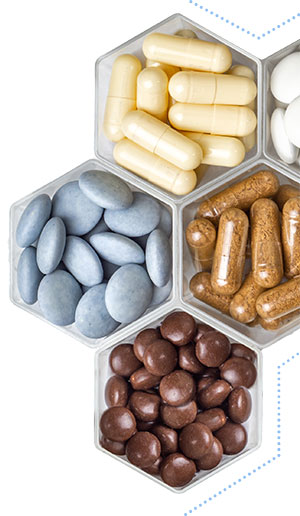
Some medications can cause panting as a side effect. Steroids like prednisone are especially known for this, but drugs that affect blood pressure, cause nausea, or impact hormone levels can also lead to increased panting. In some cases, panting is harmless, but in others, it may indicate your dog isn’t tolerating the medication well.
What to do: Always ask your vet about possible side effects before starting a new medication. If your dog begins panting excessively after taking a prescribed drug, contact your vet to discuss whether the dosage should be adjusted or if an alternative medication might be safer.
6. Underlying Health Conditions
Persistent panting that occurs regardless of temperature or activity level could be a sign of an underlying health condition. One common example is Cushing’s disease, which often causes panting along with increased thirst, frequent urination, and a swollen abdomen. Other conditions that can lead to panting include heart disease, respiratory illnesses like bronchitis or asthma, infections, high blood pressure, bloat, and even certain cancers.
What to do: If your dog’s panting is new, unusual, or paired with other symptoms, it’s time for a vet visit. Diagnostic tests like bloodwork, X-rays, or ultrasounds can help pinpoint the cause and guide treatment. The sooner you investigate the issue, the better the chances of effective management.
7. Excitement and Physical Activity
Not all panting is a cause for concern. Dogs also pant when they’re excited or have been physically active. After a vigorous game of fetch or when greeting you after a long day apart, panting is simply their body’s way of catching up and regulating oxygen levels.
What to do: Panting that happens during or right after play and subsides quickly is normal. If your dog seems overly winded from light activity or takes longer than usual to recover, consult your vet. It could indicate an underlying condition affecting their stamina or respiratory system.
8. Age-Related Changes
Older dogs often pant more than younger ones, and this can be due to several factors. Senior dogs may have a slower metabolism, weaker joints, or age-related illnesses that make them less tolerant of heat or stress. They might also experience increased anxiety as they age, leading to more frequent panting episodes.
What to do: Regular vet checkups are especially important as your dog gets older. Routine screenings can catch age-related conditions early and help you manage them effectively. Keeping your senior dog at a healthy weight, providing joint support, and maintaining a calm environment will all help minimize panting and improve their quality of life.
When to See a Vet
Panting is a normal part of canine life, but changes in how often or how intensely your dog pants should never be ignored. If your dog is panting heavily at rest, panting alongside other symptoms, or if the behavior seems sudden and unusual, don’t wait — contact your veterinarian. It’s always better to err on the side of caution when it comes to your dog’s health.
Simple steps like keeping your dog cool, reducing stress, monitoring medications, and scheduling regular checkups go a long way toward preventing excessive panting. By paying attention to your dog’s behavior and knowing when to seek help, you can keep them happy, healthy, and panting for all the right reasons.
FAQs:
How much panting is normal for a dog?
Light panting after play, exercise, or warm weather is completely normal. But if your dog is panting heavily while resting or in cool conditions, it’s worth checking with your vet.
Should I worry if my dog pants while sleeping?
Mild panting during dreaming is usually nothing to worry about. However, frequent or heavy panting during rest can signal pain, respiratory issues, or another health problem.
Can diet affect panting?
Indirectly, yes. Overweight dogs are more prone to panting because the extra weight puts added strain on their heart and lungs. A balanced diet and regular exercise can help reduce excessive panting.
How can I help my dog pant less during summer?
Provide plenty of shade and fresh water, avoid strenuous activity during peak heat hours, and keep your home cool with fans or air conditioning. Some dogs also benefit from cooling mats or vests during hot days.