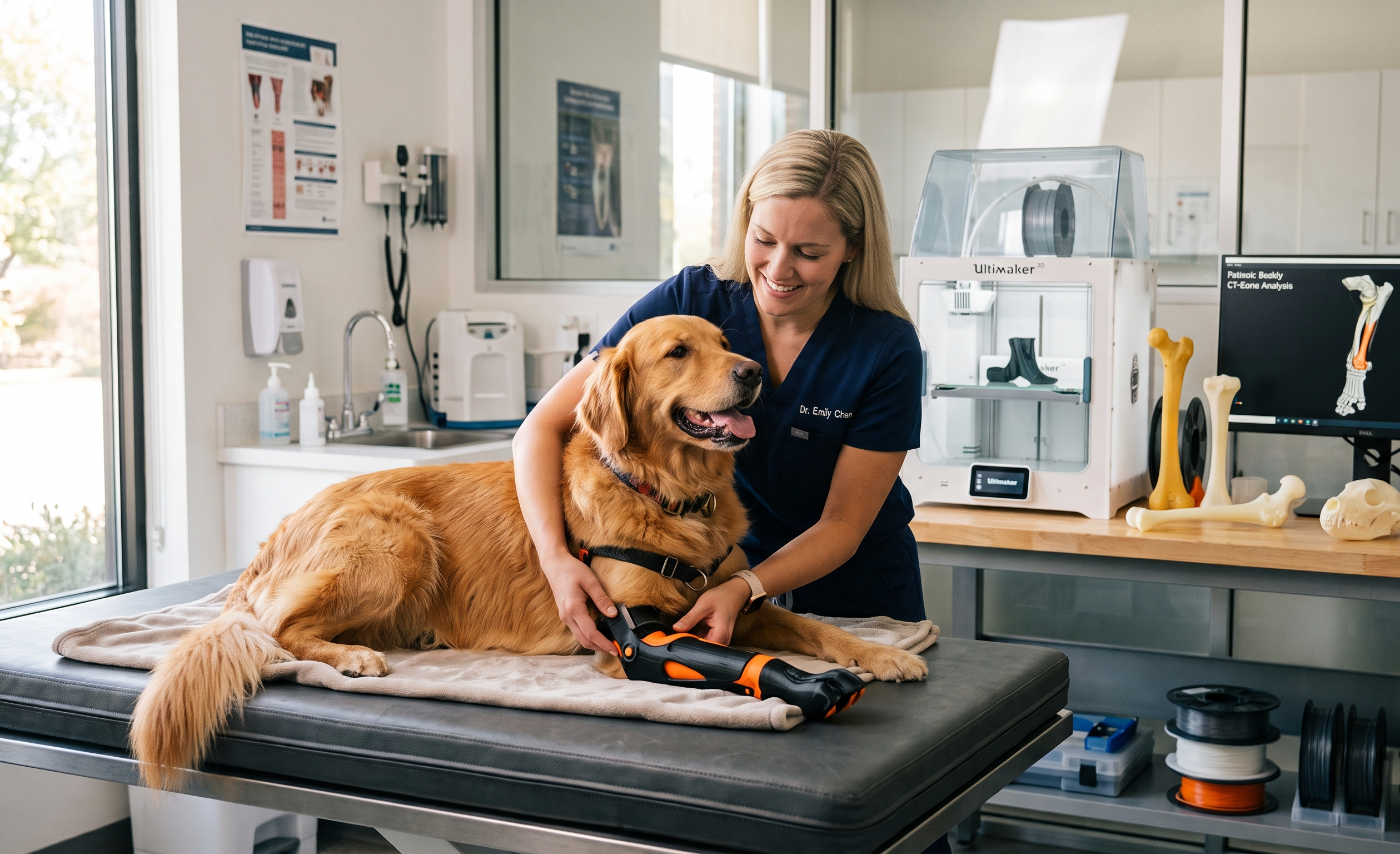


Continuing education (CE) stands as a cornerstone of professional growth for veterinarians. In an industry characterized by rapid advancements and evolving challenges, staying informed through ongoing education is crucial for delivering the best possible care to animals.
Staying Current with Advancements
The field of veterinary medicine evolves continuously, incorporating new technologies and treatment methods. Engaging in CE ensures veterinarians are updated on the latest research, tools, and practices. This knowledge translates directly into improved patient outcomes, equipping practitioners with the skills necessary to provide high-quality care.
Enhancing Skills and Specialization
CE offers veterinarians the opportunity to enhance their skill sets. By participating in specialized courses, practitioners can deepen their expertise in areas such as surgery, cardiology, or emergency care. This not only enriches their professional capabilities but also opens doors to new career opportunities, fostering greater job satisfaction and recognition within the field.
Compliance with Regulatory Standards
Many jurisdictions require veterinarians to complete CE credits for license renewal. This requirement underscores the importance of CE in maintaining regulatory compliance. Meeting these standards not only ensures legal operation but also reinforces the commitment to providing safe and effective care to animals.
Networking and Professional Community
CE events, whether in-person or virtual, serve as critical platforms for networking. Interacting with peers fosters collaboration and the exchange of ideas, leading to shared best practices in veterinary care. Building these professional relationships enhances the community aspect of veterinary practice, which can provide support and inspiration throughout one’s career.
Overcoming Challenges in Continuing Education
Despite the clear benefits of CE, veterinarians often encounter obstacles such as time constraints, financial burdens, and geographical limitations. Busy schedules can make it challenging to find time for learning, while rural practitioners might struggle to access high-quality educational resources. Addressing these barriers is essential to ensure all veterinarians have opportunities for professional development.
Innovative Learning Formats
The rise of digital platforms has transformed how CE is delivered. Online courses, webinars, and microlearning modules offer flexibility that fits into busy schedules. Additionally, interactive case studies and telemedicine training enhance the learning experience, allowing veterinarians to apply theoretical knowledge to practical scenarios.
The Impact of CE on Patient Care
Continuing education is not merely a requirement; it directly impacts the quality of care animals receive. By committing to lifelong learning, veterinarians can adapt to changes in the profession and implement the latest treatments and practices, ultimately benefiting patients and their owners.
Prioritizing continuing education reflects a commitment to excellence in veterinary practice. By engaging in ongoing learning, veterinarians enhance their skills, remain compliant with legal standards, and contribute to the overall advancement of animal healthcare. Embracing CE is essential for fostering a knowledgeable and capable veterinary workforce prepared to meet the challenges of tomorrow.