
The AI Revolution: Transforming Veterinary Education and Practice
In a groundbreaking development that is set to reshape the future of veterinary medicine, a researcher at the Texas A&M College of Veterinary Medicine and Biomedical Sciences (VMBS) has discovered innovative ways for veterinarians to leverage artificial intelligence (AI) tools in both clinical settings and educational environments.
Dr. Candice Chu, an assistant professor in the VMBS Department of Veterinary Pathobiology, has developed a cutting-edge study tool for veterinary students called VetClinPathGPT, which utilizes the power of ChatGPT technology to assist students in learning the complex field of clinical pathobiology. This revolutionary tool allows students to “chat” with the AI, asking questions, clarifying concepts, and even generating their own study questions a game-changing development in veterinary education.
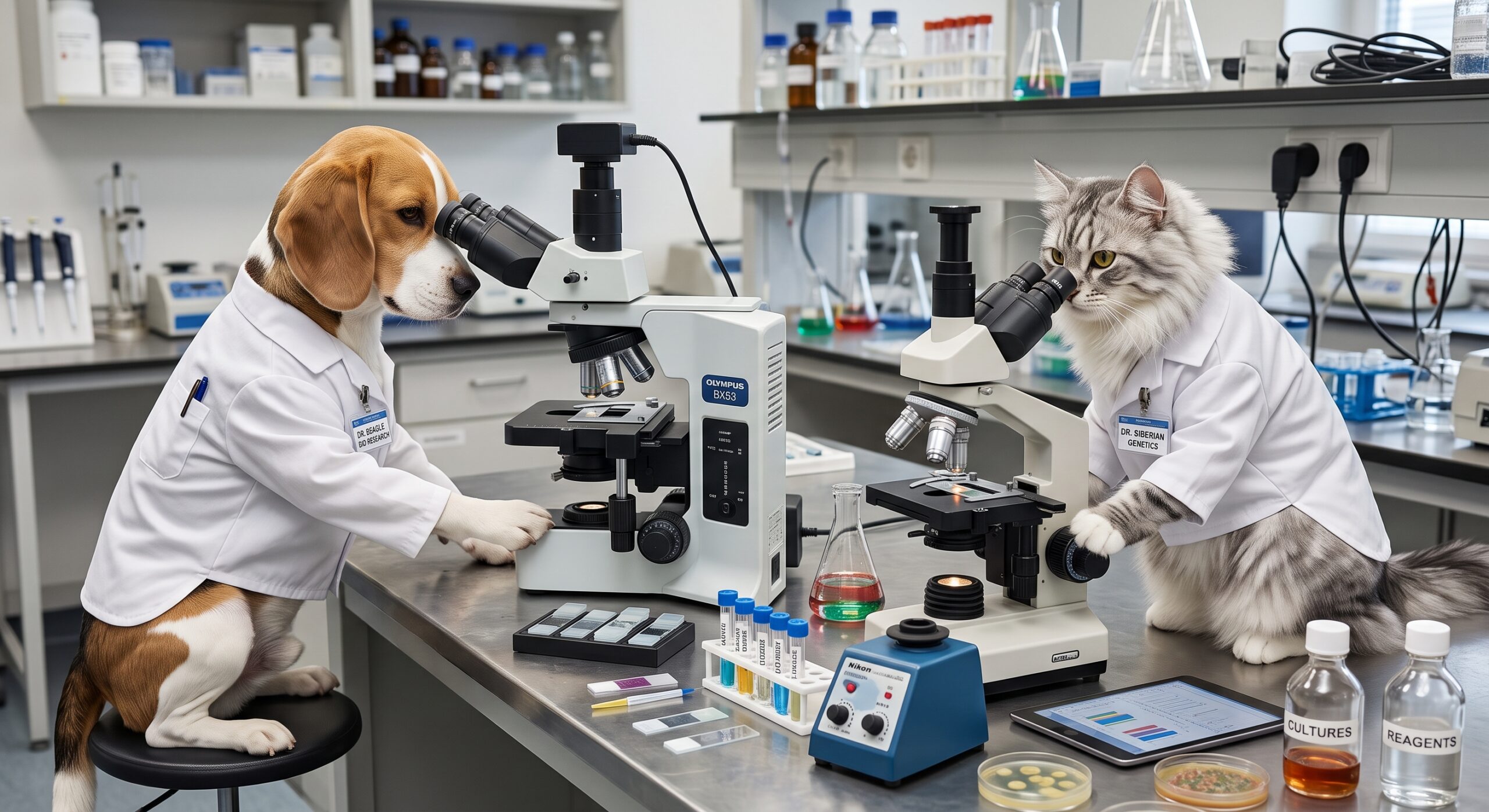
“Imagine having a microscope connected to a camera with AI capability, so students can look down at their slides and essentially have a clinical pathologist there to explain what they’re seeing,” Dr. Chu said. “They could ask the AI, ‘What’s that cell?’ and it could tell them not only the type but also how to identify it.”
But the potential of AI in veterinary medicine extends far beyond the classroom. Dr. Chu has also outlined a range of applications for this transformative technology to increase efficiency and expand the capabilities of veterinary educators and clinicians.
“AI is a powerful assistant that can help clinicians, educators, and students reduce the time spent on repetitive work,” Dr. Chu explained. “By reducing repetitive tasks, individuals can spend their time on the most important parts of their work, like completing assignments or helping students and patients.”
One such application involves the use of AI-assisted record-keeping, which could free up clinicians’ time for more direct patient care. Dr. Chu envisions a tool that can efficiently sift through medical records and pull relevant information, streamlining the documentation process.
While the integration of AI into veterinary medicine faces challenges, such as concerns over patient privacy, Dr. Chu believes that customizable, secure AI tools are on the horizon. She emphasizes that the goal is not for AI to replace veterinary professionals, but rather to create a collaborative partnership that enhances diagnostic, teaching, and learning abilities.
“Neither are perfect on their own, so bringing them together increases our ability to diagnose, teach and learn,” Dr. Chu said. “One thing I tell people is not to worry that AI will replace you; it’s the person who knows how to use AI who will replace you. I think that in the future, knowing how to incorporate this technology will be a basic requirement for being an efficient and competitive veterinary educator in the job market.”
As Dr. Chu continues to push the boundaries of what’s possible with AI in veterinary medicine, the field is poised for a transformative shift – one that promises to improve patient outcomes, streamline educational processes, and empower veterinary professionals to deliver even higher levels of care.
How AI is Enhancing Diagnostic Accuracy in Veterinary Medicine
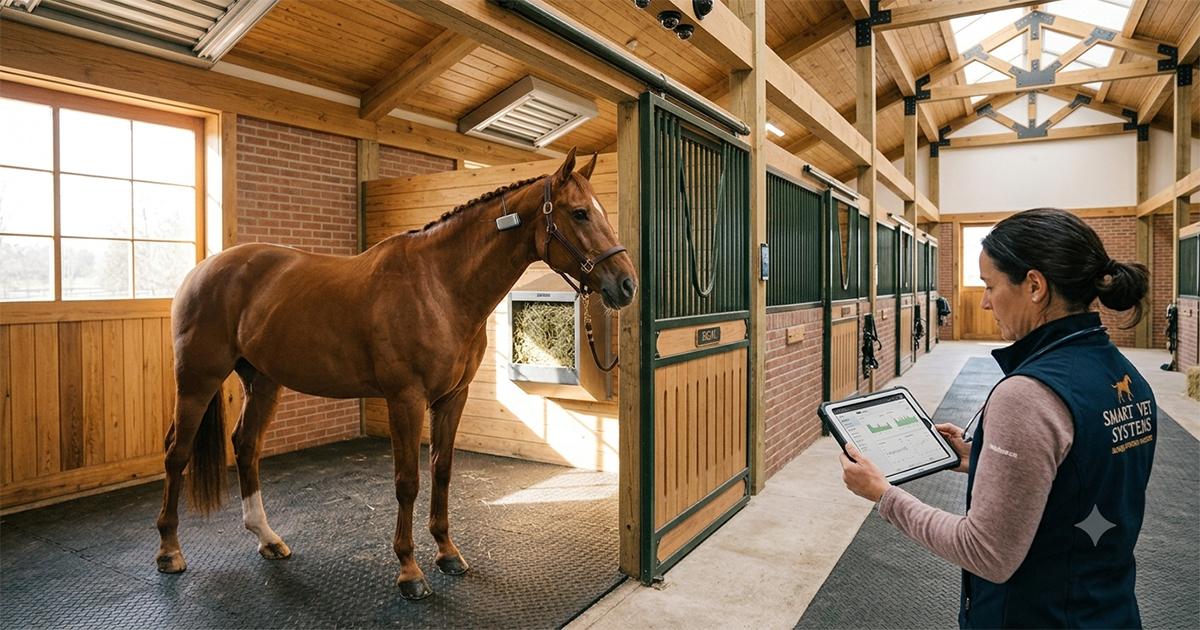
AI-powered systems are increasingly being used to support clinical diagnoses in veterinary practices. These intelligent tools can analyze radiographs, blood test results, and other diagnostics faster and with remarkable accuracy. Machine learning models trained on thousands of real cases help reduce human error, leading to faster detection of diseases such as tumors, infections, or organ dysfunctions in animals.
By integrating these tools into everyday practice, veterinarians can make more informed decisions, improve treatment planning, and enhance animal care outcomes.
Personalized Learning Experiences for Veterinary Students with AI
Traditional veterinary education follows a fixed curriculum. But AI is now helping personalize the learning journey for each student. Tools like VetClinPathGPT can assess a student’s weak areas, generate tailored practice questions, and offer instant feedback. This makes studying more efficient and student-focused.
Such personalized learning experiences not only boost confidence but also increase student engagement and retention of complex topics.
The Role of AI in Veterinary Telemedicine Services
The rise of telemedicine in veterinary care has opened the door for AI to act as a vital supporting tool. From symptom checkers to chatbots that triage pet health concerns, AI can assist pet owners even before they visit a clinic.
AI can also help during remote consultations by offering real-time suggestions to vets, helping them ask the right questions or consider alternative diagnoses thereby improving service quality even in rural or underserved areas.
Overcoming AI Integration Challenges in Veterinary Practice
Despite its potential, integrating AI into veterinary workflows isn’t without hurdles. Concerns about data privacy, software adaptability, and the need for ethical frameworks remain key issues. Veterinary clinics must also train their staff to use these tools effectively, ensuring smooth adoption without resistance.
Collaboration between software developers and veterinary professionals is critical to developing user-friendly, reliable AI solutions tailored for real-life clinical settings.
Ethical Considerations in AI-Driven Veterinary Decisions
AI decisions must align with veterinary ethics and patient welfare. Veterinarians must ensure that AI recommendations are used as assistive insights, not as replacements for professional judgment. Transparency in AI decision-making and the ability to explain its suggestions to pet owners are essential for building trust.
Creating ethical guidelines around AI use in veterinary practice will ensure responsible implementation and protect animal well-being.
Future Trends: AI and Robotics in Veterinary Surgery
Looking ahead, AI-powered robotic systems could assist veterinarians in performing precise surgical procedures. From minimally invasive techniques to robotic-assisted suturing, the fusion of AI and robotics is set to bring unmatched accuracy and efficiency to operating rooms.
These systems may also simulate surgeries for training purposes, helping students build skills without needing live animal practice in the early stages.
FAQs:
Can AI replace veterinarians in the future?
No, AI is designed to assist veterinarians, not replace them. It helps with repetitive tasks, improves accuracy, and enhances learning, but still requires human judgment and compassion.
Is AI safe to use in diagnosing animal diseases?
Yes, when developed and used properly, AI can be highly accurate and safe. However, diagnoses should always be reviewed by a qualified professional.
What skills should veterinary students learn to work with AI tools?
Students should focus on data literacy, critical thinking, and basic understanding of AI functionalities to effectively use these technologies.
How does AI impact the veterinarian-client relationship?
AI can improve communication by offering clearer data and reports, but human interaction remains essential for empathy and trust.
Are AI tools expensive for small veterinary clinics?
While some advanced tools may be costly, many affordable or open-source AI solutions are becoming available, making them accessible for small to mid-sized practices.
Final Words
The integration of AI in veterinary medicine is no longer just a vision—it’s becoming reality. From transforming how students learn to how clinics operate, AI is streamlining tasks, enhancing diagnostics, and redefining patient care.
Dr. Chu’s work is a powerful reminder that the future of veterinary science lies in collaboration, not competition, between humans and machines. Veterinarians who adapt early and learn how to effectively utilize AI will remain relevant, competitive, and impactful in this rapidly evolving landscape.
For step-by-step guidance on natural pet care, training, and overall wellbeing, explore our online veterinary courses designed to help every pet parent make confident and informed choices.