
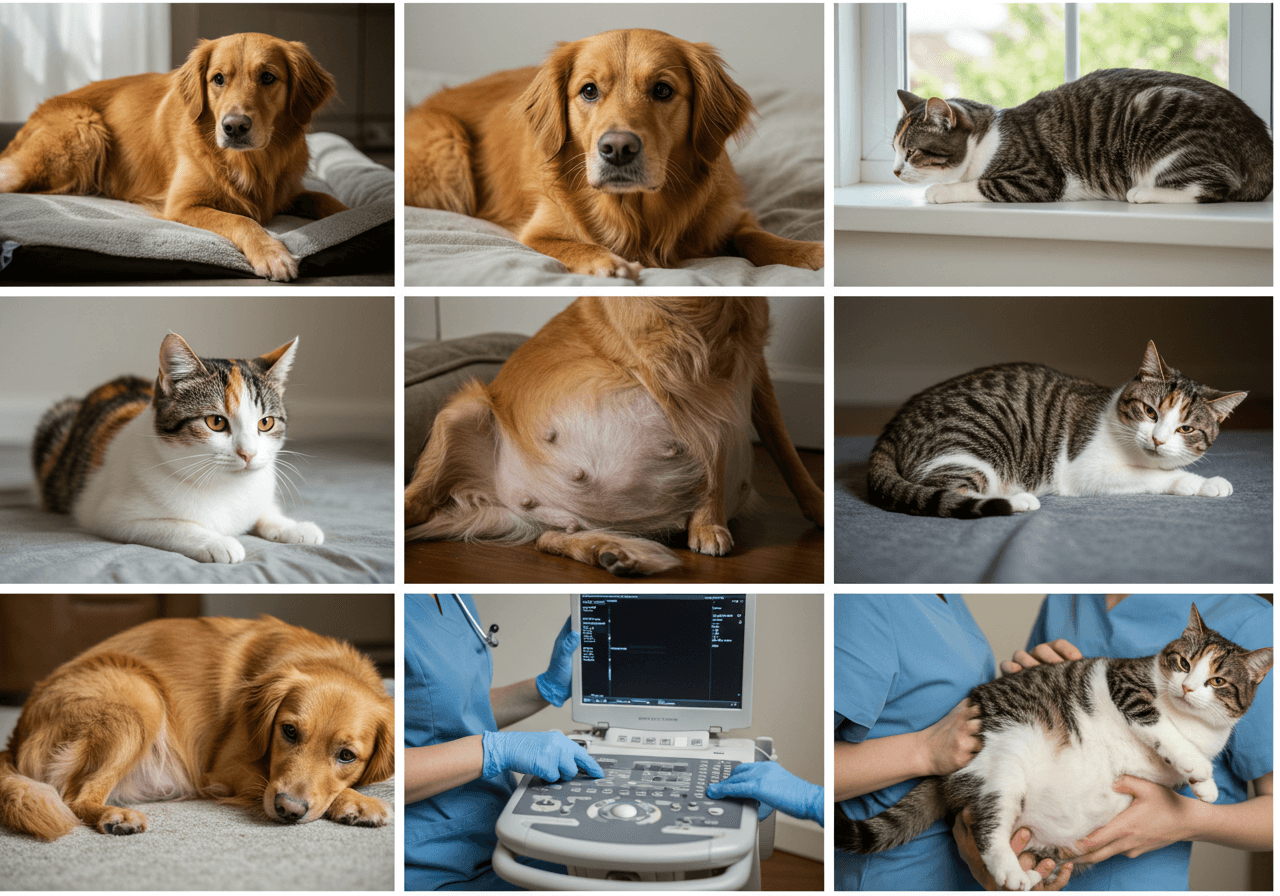
Parenthood brings a unique blend of excitement and nervous anticipation. For those who share their lives with dogs and cats, the prospect of new life can evoke a heartwarming sense of joy. Recognizing the signs of pregnancy in a companion animal forms the first step in this beautiful adventure. Let’s explore the key indicators that signal your furry friend is expecting, along with the common reasons for pregnancy loss.
Recognizing the Symptoms of Pregnancy
A noticeable shift in behavior serves as a primary indicator of potential pregnancy. Dogs and cats may display increased affection, seeking closeness and comfort from their trusted humans. Changes in appetite, such as increased hunger or a sudden aversion to food, can also signal the beginning of a new life. Each animal may exhibit different symptoms, making it essential to stay observant of any behavioral alterations.
Physical Changes: What to Look For
Physical transformations often accompany behavioral signs. Nipples in female dogs and cats may darken and become more prominent, while abdominal swelling usually becomes evident by mid-pregnancy. As the weeks progress, determining pregnancy may become easier through the visible growth of a belly, resembling a round, tender dot of happiness waiting to burst forth. These changes can fill hearts with wonder, paving the way for imaginative plans for the upcoming litter.
Common Reasons for Pregnancy Loss
While anticipation fills the air with hope, awareness of potential pregnancy loss is equally important. Various factors can contribute to such heartache.
- Genetic Abnormalities: Some developing embryos may have genetic predispositions that prevent them from establishing or surviving.
- Infections: Bacterial or viral infections can pose serious risks to the mother and the developing fetus, leading to miscarriages.
- Hormonal Imbalances: Disruptions in hormonal levels, particularly progesterone, can hinder the maintenance of a pregnancy and lead to loss.
- Nutritional Deficiencies: Lack of essential vitamins and minerals impairs the health of the expectant mother, affecting the viability of her offspring.
- Environmental Stressors: Factors such as extreme temperatures, lack of a safe space, or frequent disturbances can contribute to stress, posing risks to both mother and unborn young.
Awareness of these factors not only empowers individuals but also fosters proactive measures to support the well-being of the expectant animal.
Veterinary Insight: Confirming Pregnancy
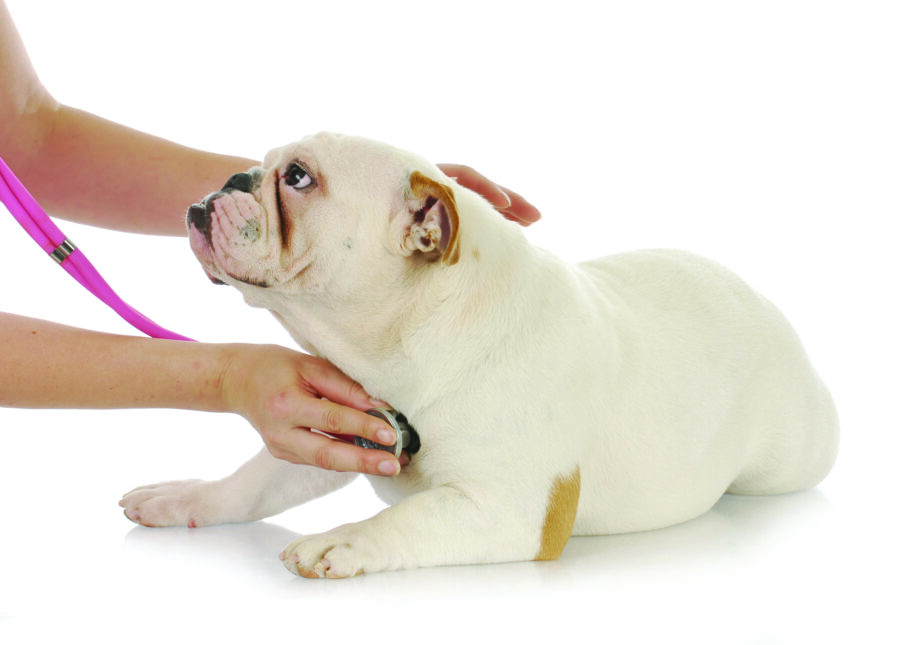
Acquiring confirmation from a trained veterinary professional not only solidifies suspicions but also offers peace of mind. A veterinarian will conduct exams or recommend ultrasounds to ascertain pregnancy and check for possible complications. This proactive approach ensures the health of both the expecting animal and the future arrivals, allowing families to prepare adequately for the joyous occasion.
Preparing for the New Arrival
Once confirmation emerges, the excitement shifts toward preparations. Creating a safe nesting area, ensuring access to proper nutrition, and familiarizing oneself with birthing procedures become essential tasks for a successful birthing experience. Engaging in discussions with fellow enthusiasts or attending informative workshops can equip aspiring caregivers with the knowledge and skills they need, fostering a supportive community for the journey ahead.
The Joy of New Life
Witnessing the miracle of birth brings unparalleled joy and fulfillment. As the days pass and the time approaches, hearts synchronize with anticipation. Each heartbeat under the expectant belly rejoices in harmony, symbolizing the beauty of life unfolding. When the moment arrives, the home fills with delightful sounds and the warmth of new connections, creating cherished memories that last a lifetime.
Embracing the adventure of welcoming new life into the home is a profound experience. Recognizing the signs of pregnancy in dogs and cats creates awareness. It also ignites a sense of responsibility and readiness to embrace the challenges and delights of nurturing new lives.
Postpartum Care: Supporting the Mother and Newborns
The journey doesn’t end with birth—it evolves into a new phase requiring gentle care and attention. After delivery, the mother needs a quiet and comfortable environment to nurse her young without disturbance. It’s essential to monitor her for signs of exhaustion, poor appetite, or any unusual discharge, which could indicate complications.
Keep the nesting area clean, dry, and warm, ensuring the mother has access to nutritious food and fresh water. Newborns should be nursing properly, gaining weight, and staying close to their mothers. A quick vet visit after birth helps confirm the health of both mother and babies.
Postpartum care sets the foundation for a healthy start, ensuring that the new family thrives in love and security.
FAQs:
How long is the pregnancy for dogs and cats?
For dogs, pregnancy lasts about 58–68 days, while for cats, it’s typically 63–67 days.
Can I touch the newborns right after birth?
It’s best to minimize handling in the first few days. Let the mother care for them unless there’s an emergency or veterinary need.
What should I feed a pregnant or nursing pet?
High-quality, nutrient-rich food formulated for pregnancy or growth (like puppy or kitten food) is ideal. Consult your vet for specific guidance.
How many babies do dogs and cats usually have?
Dogs can have 1 to 12 puppies, depending on the breed; cats often have 2 to 6 kittens per litter.
When should I seek veterinary help after the birth?
If the mother appears unwell, refuses to eat, or if any of the babies are weak, not nursing, or seem cold, contact a vet immediately.
Final Words
Welcoming a litter of puppies or kittens is a beautiful experience filled with emotion, care, and a sense of responsibility. By recognizing pregnancy signs early, seeking veterinary support, and preparing thoughtfully, you can offer your pet and her young the best possible start. Whether you’re navigating early symptoms or cuddling newborns, every step is a chance to deepen the bond with your beloved companion.