Caring for a dog with incurable blindness is a unique challenge that brings both heartwarming moments and demanding adjustments. Yet, this journey can be fulfilling, deepening the bond between you and your canine companion. Let’s explore how to manage this situation, focusing on offering love, support, and adaptive solutions for a happier life together.
Understanding Blindness in Dogs
Blindness can stem from various causes, including genetics, injury, or disease. While the loss of vision alters your dog’s daily experience, their other senses—like smell and hearing—become heightened. This transition requires understanding and empathy from you. Dogs are resilient creatures, and with your help, they can adapt well to their new reality.
Create a Safe Environment
Safety becomes paramount when caring for a blind dog. Confine spaces to areas your dog knows well, minimizing unfamiliar objects and hazards. Employ baby gates and non-slip mats to regulate their exploration. Consistency in furniture placement is crucial; sudden changes can lead to confusion. Encourage positive exploration by guiding them gently through their safe zone, fostering confidence as they navigate their surroundings.
Communication is Key
Developing strong communication helps your dog feel secure. Use verbal cues and sound signals to navigate and guide them. Words of encouragement should be added as they explore new areas. Toys that make noise can also stimulate their senses, creating a fun yet safe way to engage them. This strategy reinforces positive experiences, allowing your dog to thrive.
Establish Routine
Routine eases anxiety for blind dogs. Regular feeding, walking, and playtime provide predictability that comforts them. Maintaining a schedule helps your dog understand expectations, reducing stress. Incorporating fun activities such as scent-based games can spice up their day and promote mental stimulation. Every moment spent together contributes to enriching their lives.
Engage Their Other Senses
Encouraging your dog to utilize their other senses can enhance their overall experience. Incorporate activities that emphasize smell and sound, such as hiding treats around the house for them to find. Attend to their tactile needs by using different textures, enriching their sensory experiences. This engagement is not only entertaining but also essential for their mental health.
Building Confidence Through Touch and Reassurance
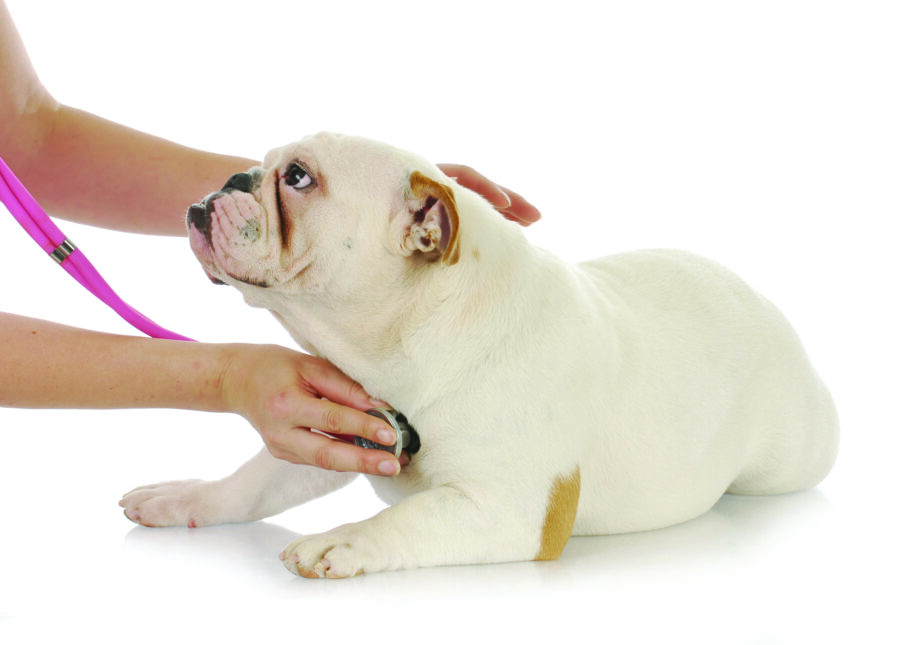
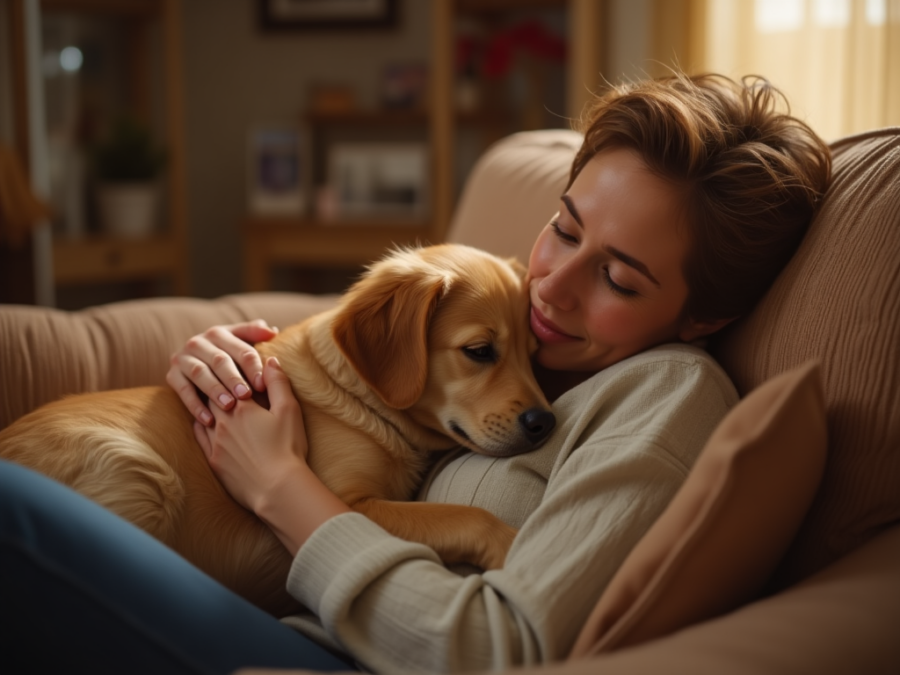
Touch plays a powerful role in your dog’s sense of safety and emotional comfort. A gentle pat, a soft brush, or simply being close can greatly reassure a blind dog. These physical connections help calm their fears and build trust in their surroundings.
Using soft tones while gently touching them gives a clear signal that they are safe. This combination of voice and touch becomes their emotional anchor, especially in unfamiliar places. Over time, they associate your presence with peace and love, making their blindness easier to cope with.
Touch-based training techniques can also replace visual commands. For example, tapping on their shoulder to signal a turn or guiding them with a gentle leash tug. These little adjustments make a big difference in how your dog understands the world.
Embrace the Journey with Love
Your attitude profoundly impacts your dog’s experience during this transition. Approaching daily life with patience, understanding, and affection fosters a loving environment for them to flourish. Share this journey with the community—connect with others facing similar challenges and engage in dialogue about coping strategies and shared experiences. Your shared stories can uplift, inspire, and create a support network for everyone involved.
Blind dog care offers unique insights into love and resilience. Embracing this journey together fosters a rich bond built on trust and understanding. Your dedication shines brightly in your dog’s life, leading them through obstacles with unwavering support. Hold onto the heartwarming moments that encompass your journey together—these memories are what truly matter.
FAQs
Can blind dogs live a happy life?
Absolutely! With a safe environment, love, and support, blind dogs can live fulfilling, joyful lives.
Should I train my blind dog differently?
Yes. Use voice commands, scent cues, and gentle touch signals instead of visual cues. Patience and repetition are key.
How can I help my blind dog navigate better?
Keep furniture in the same place, use textured rugs as path markers, and create clear walkways. Talk to them regularly so they know where you are.
Do blind dogs feel anxious more often?
They can feel anxious, especially in new environments. A stable routine and calming presence help reduce stress.
Final Words
Caring for a blind dog may seem challenging at first, but it is filled with moments of deep connection, trust, and unconditional love. Your dog may no longer see the world, but they feel your heart—your care, your kindness, and your presence.
With every guided step, comforting word, and gentle touch, you help your dog rediscover the world in a new way. And in doing so, you build a bond that is truly unbreakable. Let love lead the way.