
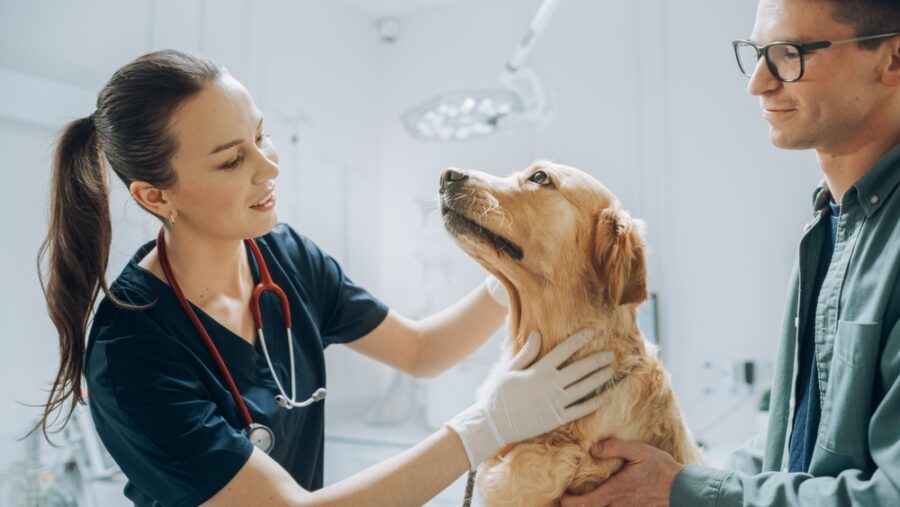
Like humans, dogs become frailer as they age. Loss of strength and weight, along with reduced activity, are signs of frailty. Dogs may slow down and tire more easily. There are ways to assess frailty in older people, but not in dogs – at least until now.
Researchers from North Carolina State University have developed a frailty assessment tool for ageing dogs that can help animal parents and their veterinarians assess an elderly dog’s frailty.
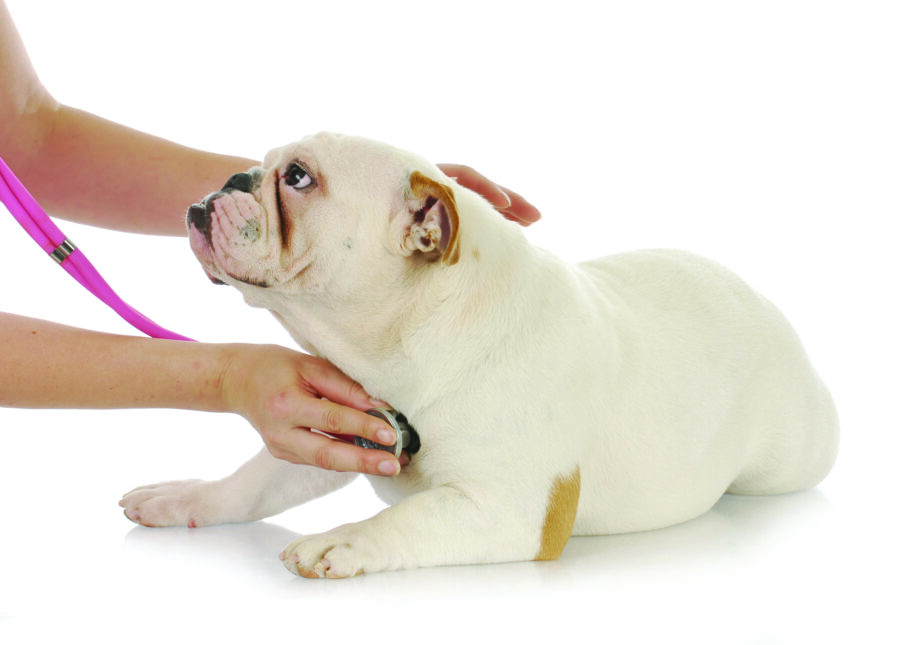
When vets perform simple assessments of body and muscle condition alongside this tool, they can predict the likelihood of short-term mortality. The tool can also provide important data to help with decisions around treatment and quality of life for an ageing dog.
“This is an emerging field in dogs, and there is a need for easily applied screening tools,” says Natasha Olby. She leads NC State’s canine neuro-ageing program, which studies the mechanisms behind canine ageing.
How the Frailty Tool Works
The researchers created a frailty screening questionnaire covering five key areas: nutrition (including body condition and appetite), energy levels, mobility, muscle condition, and social activity. Human frailty assessments also use these five “domains.”
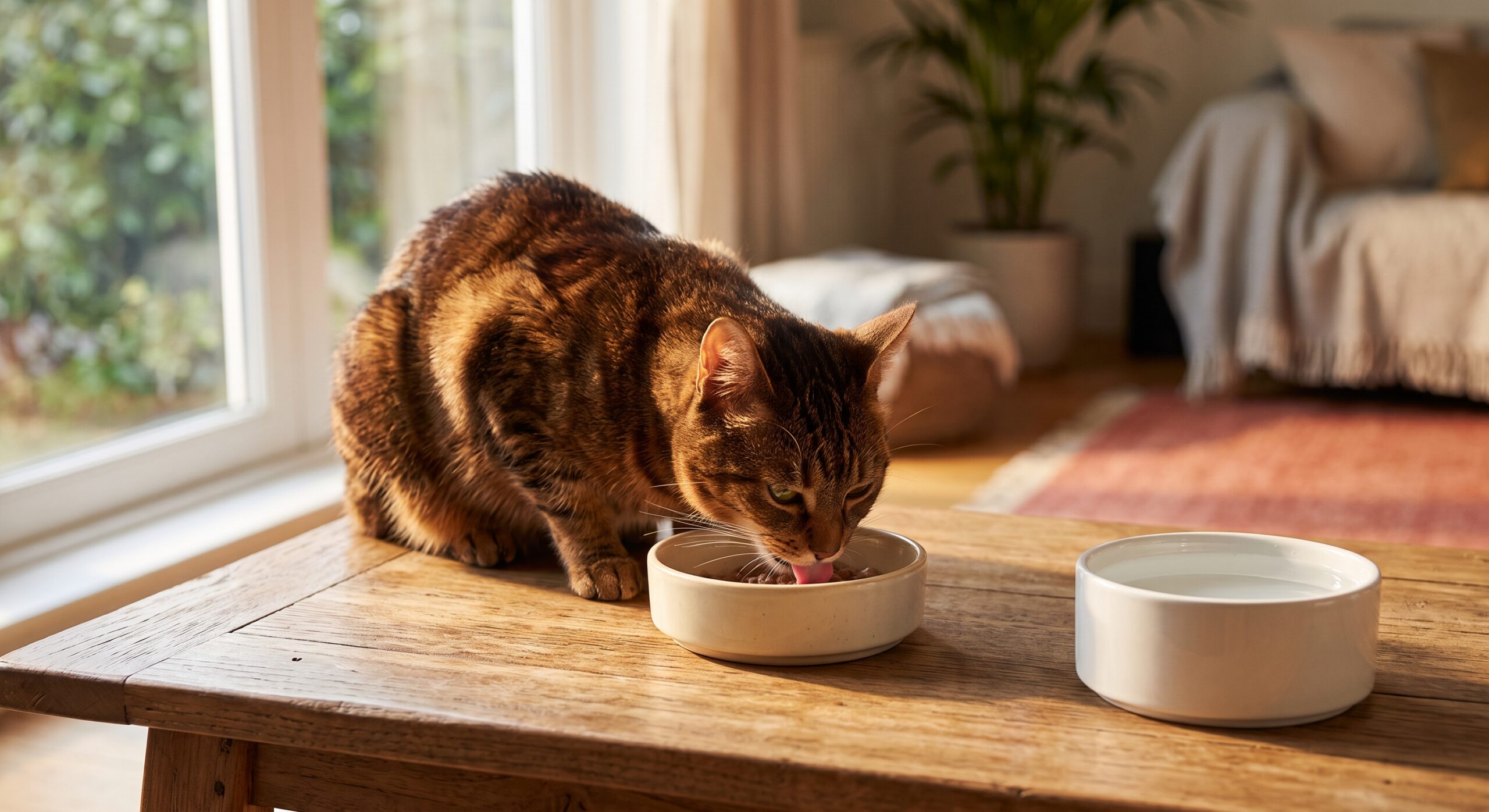
- Nutrition – This includes evaluating the dog’s body condition (underweight or overweight) and appetite. A sudden loss of interest in food or visible weight loss can be an early sign of frailty.
- Energy Levels – Dogs that sleep more, seem less enthusiastic, or lack their usual playfulness may be showing a drop in energy, a common marker of ageing-related decline.
- Mobility – This checks how well the dog moves. Difficulty walking, limping, or needing help to get up are all indicators of reduced mobility.
- Muscle Condition – Loss of muscle mass, especially in the legs or back, can weaken the dog and increase the risk of falls or injuries.
- Social Activity – A dog that no longer shows interest in interacting with family members or other pets may be withdrawing socially, which can be linked to discomfort or cognitive decline.
They then validated the frailty assessment tool for dogs against two canine populations: 39 were currently participating in Natasha’s neuro-ageing study, and 198 (aged ten years and older) were not.
The researchers classified dogs as frail if they were impaired in three of the five domains. Frail dogs had twice the risk of dying within six months compared to non-frail dogs.
“You never really know how long a dog will live,” Natasha says. “But the questionnaire, along with body and muscle condition scores, helps predict six-month mortality. It is still a work in progress, but this screen is a simple tool that owners and veterinarians can use as a starting place for discussing care options for elderly dogs.”
FAQs
What are the signs of frailty in senior dogs?
Common signs include weight loss, reduced appetite, low energy, trouble moving, muscle loss, and less interest in social activities.
Can this tool be used at home by pet owners?
Yes, the questionnaire is designed to be simple. However, it’s most effective when used alongside a vet’s physical assessment.
Is the frailty tool accurate for all dog breeds?
While more research is ongoing, the tool has been tested on a wide variety of senior dogs and provides valuable insights regardless of breed.
How often should I assess my dog’s frailty?
It’s a good idea to assess your senior dog every few months or whenever you notice a change in behaviour, appetite, or mobility.
Can frailty be reversed in dogs?
While ageing can’t be reversed, managing diet, exercise, and vet care can slow down frailty and improve your dog’s quality of life.
Final Words
Caring for a senior dog requires attention, love, and the right tools to support their well-being. The new frailty assessment tool gives dog owners and vets a powerful way to track ageing-related changes and make informed decisions. With regular checkups, thoughtful nutrition, and supportive care, elderly dogs can enjoy their golden years with comfort and dignity. Let’s work together to make ageing a graceful journey for our loyal companions.