Osteoarthritis in dogs leads to joint pain, stiffness, and reduced mobility. Traditional treatments often rely on medications that carry side effects. Skin and coat problems in canines are also a nuisance that can do better without treatments that pose side effects. Mud therapy emerges as a natural, complementary approach with anti-inflammatory, and analgesic properties. It offers a non-invasive option to soothe arthritic joints and improve skin and coat. Veterinary professionals seeking integrative care methods can find mud therapy to be quite effective.
How Mud Therapy Works: Science Behind the Soothing Mud
Mud used in therapy contains minerals like sulphur and humic acids, which inhibit enzymes that degrade joint cartilage. These components stimulate cytokine production, promoting anti-inflammatory and chondroprotective effects. Thermal properties of mud enhance blood circulation and metabolic activity, accelerating tissue repair. This combination reduces pain and inflammation while supporting joint regeneration. The mechanical and chemical actions of mud create a multifaceted healing environment for affected joints.
Administering Mud Therapy in Clinical Settings
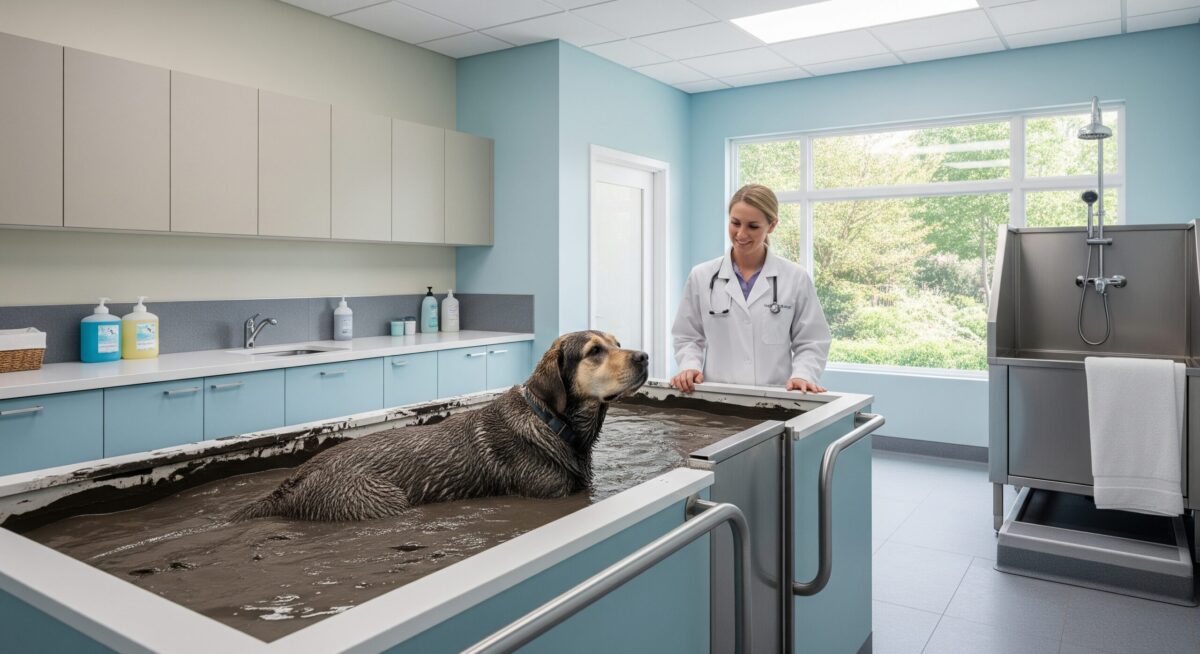
Mud therapy involves applying warm, nutrient-rich mud to affected joints for 20-30 minutes. The temperature and mineral content activate circulation and detoxification. Some products combine hypoallergenic clay with peppermint and menthol for cooling, analgesic effects. Massage during application enhances absorption and stimulates nerve receptors, providing immediate relief. Regular sessions improve joint function and reduce discomfort in arthritic dogs. Veterinary clinics can integrate mud therapy alongside physical rehabilitation and pharmacologic treatments.
Evidence and Clinical Outcomes: What Research Shows
Clinical studies in humans with knee osteoarthritis demonstrate significant pain reduction and improved function after mud pack treatments. Benefits persist weeks after therapy ends, suggesting lasting effects. Though canine-specific research remains limited, analogous mechanisms support its use in dogs. Anecdotal and preliminary reports highlight decreased joint stiffness and increased mobility. Mud therapy stands as a promising adjunct to conventional osteoarthritis management, warranting further veterinary trials.
Mud Therapy for Canine Skin and Coat
Mud therapy emerges as a natural, nutrient-rich treatment that offers hydration, detoxification, and soothing benefits for dogs’ skin and coat. This therapy involves applying mineral-rich mud, often containing bentonite clay, quartz, and mica, directly onto the skin and coat. These minerals exfoliate dead skin cells, remove impurities, and nourish hair follicles, promoting healthier skin and a shinier coat. The mud’s anti-inflammatory properties help calm redness, irritation, and itchiness, especially in dogs with sensitive or allergic skin conditions. Additionally, the gentle massage during application stimulates blood circulation, enhancing skin barrier function and encouraging robust hair growth.
Clinical Benefits and Practical Applications in Veterinary Practice
Veterinary professionals observe that mud therapy can effectively manage dry, flaky skin and reduce dandruff by restoring moisture and breaking down excess sebum. This treatment also aids in detoxifying the skin by adsorbing toxins and environmental pollutants. For dogs suffering from chronic dermatological issues such as seborrheic dermatitis, yeast infections, or mild allergic dermatitis, mud therapy offers a complementary approach to conventional treatments by soothing inflammation and reducing itchiness. The conditioning effect of mud also improves coat texture, making grooming easier and reducing shedding by loosening dead undercoat hair.
Alternative Treatments and Management Strategies
While mud therapy provides notable benefits, veterinary professionals should consider integrating other evidence-based treatments to optimize skin and coat health:
- Topical Cyclosporine A: Proven to reduce pruritus and severity of atopic dermatitis lesions, offering targeted immunomodulation for moderate to severe cases.
- Omega-3 Fatty Acid Supplementation: Enhances skin barrier integrity and reduces inflammation, supporting long-term coat quality.
- Medicated Shampoos and Conditioners: Formulated with antifungal, antibacterial, or anti-inflammatory agents to address specific infections or skin conditions.
- Regular Canine Massage: Enhances circulation and reduces stress, complementing mud therapy’s benefits for skin health and coat condition.
- Nutritional Optimization: High-quality diets rich in essential nutrients support skin regeneration and coat vitality from within.
Integrating Mud Therapy into Integrative Dermatologic Care
Mud therapy serves as a valuable adjunct in dermatologic protocols, especially for dogs with dry, itchy, or inflamed skin. Its natural exfoliating and moisturizing properties promote skin renewal while providing comfort. Veterinary professionals should tailor treatment frequency and mud formulations based on individual patient needs and skin condition severity. Combining mud therapy with topical medications, nutritional support, and stress-reducing techniques like massage can enhance therapeutic outcomes and improve quality of life for dogs with dermatologic challenges.
Mud therapy offers a unique approach to managing canine osteoarthritis and enhancing skin and coat health. This treatment involves applying therapeutic mud, rich in minerals and organic compounds, to the dog’s joints. The warmth of the mud can help alleviate pain and reduce inflammation, promoting mobility in arthritic dogs. Additionally, the minerals in the mud nourish the skin, improving hydration and overall coat condition. Regular sessions can lead to healthier skin, a shinier coat, and improved joint function, making it an excellent integrative option for enhancing canine well-being.