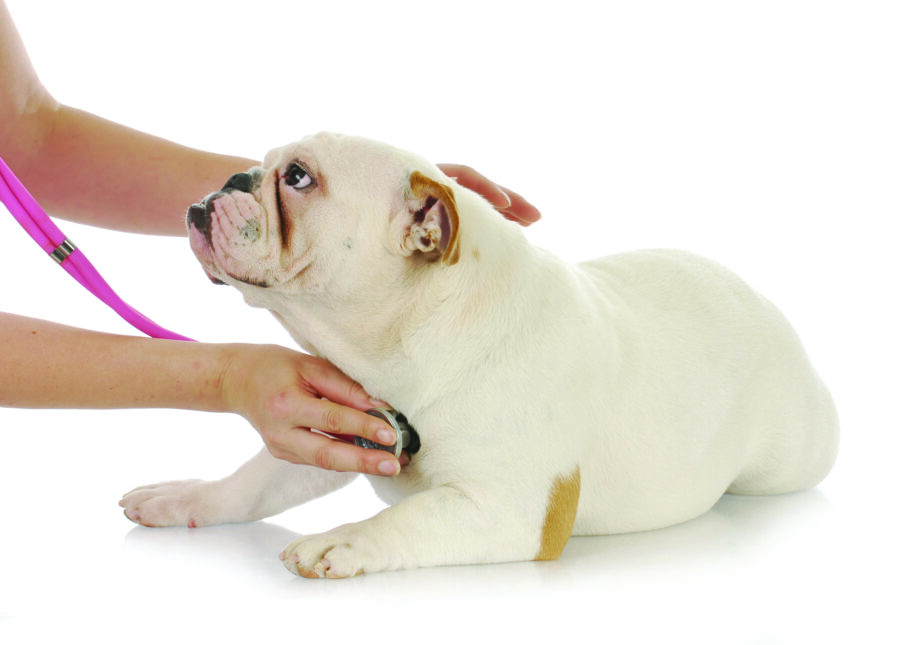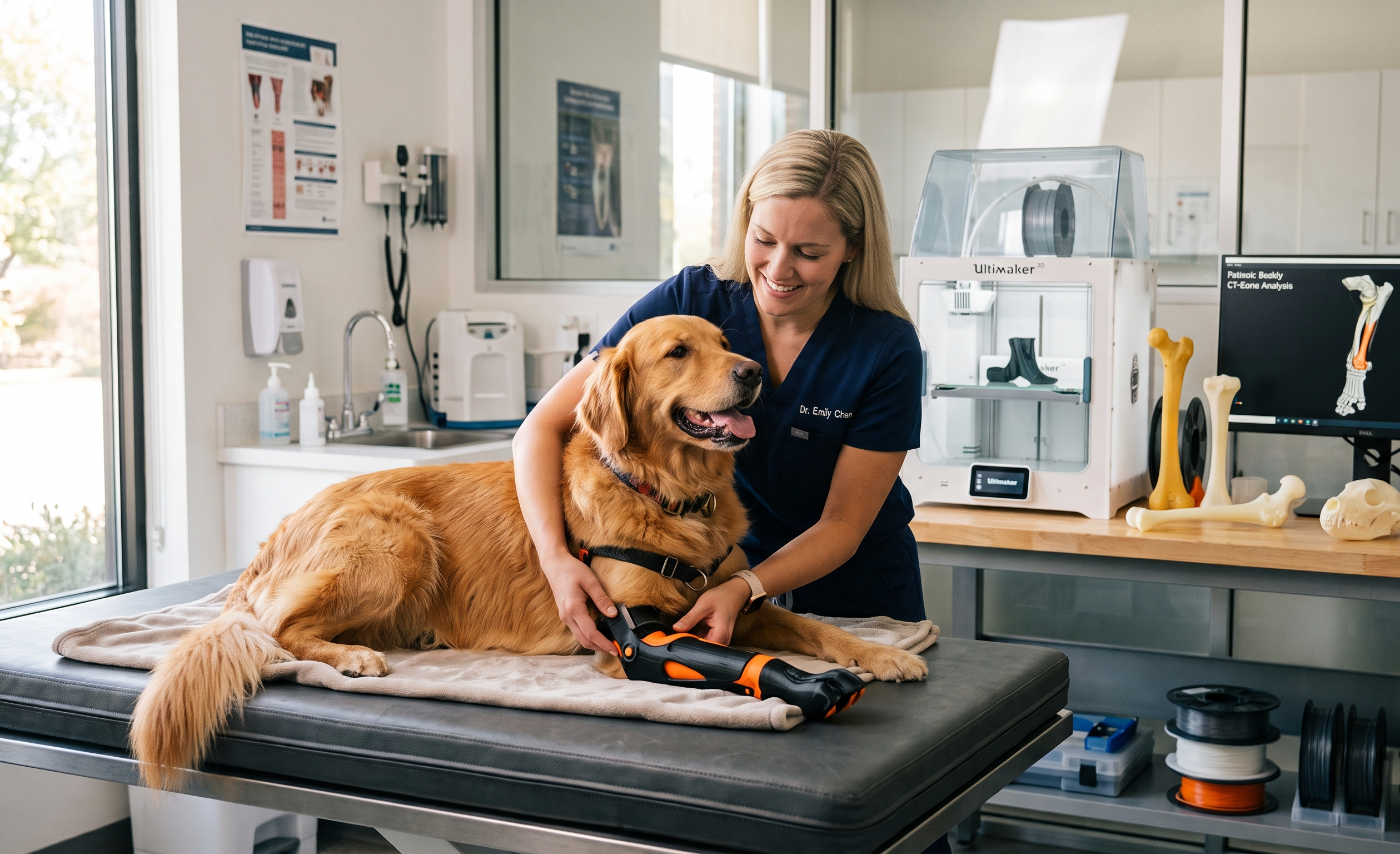


Stifle joint pain remains a common issue affecting many dogs. This condition limits mobility and impacts overall quality of life. Traditional treatments often focus on medications and rehabilitation, but effectiveness varies among individuals. Exploring integrative approach to canine stifle joint pain presents exciting opportunities for enhanced pain management.
The Study: A Comparative Analysis
A study published in the American Journal of Traditional Chinese Veterinary Medicine evaluated two treatment methodologies. Researchers divided 19 dogs with localized stifle joint pain into a Control Group and a Test Group. The Control Group received conventional treatment, while the Test Group combined this with traditional Chinese veterinary medicine (TCVM). The Test Group included acupuncture and Chinese herbal medicine, alongside standard pain relief medications.
Key Findings and Implications
Results showed significant improvements in the Test Group across all seven outcome measures, with a p-value of less than 0.05. In contrast, the Control Group only showed improvements in two measures. The findings indicate that integrating TCVM with conventional medical management enhances pain relief for dogs suffering from stifle joint pain. This integrative approach encourages veterinary professionals to consider alternative methods alongside traditional treatments.
Effective Alternative Treatments
Veterinary professionals can explore various alternative treatments for managing joint pain. Acupuncture effectively alleviates pain and improves mobility. Chinese herbal medicine serves as a complementary option, promoting overall joint health. Additionally, physical therapy, including hydrotherapy and specific exercises, supports recovery and strengthens the affected area. Nutraceuticals, such as glucosamine and omega-3 fatty acids, may also contribute positively to joint health.
The Future of Pain Management in Veterinary Medicine
Integrating traditional Chinese veterinary medicine with conventional approaches opens new avenues for pain management. As far as this integrative approach to canine stifle joint pain is concerned future studies should focus on larger sample sizes and randomized designs to validate these findings further. Embracing this integrative approach allows veterinary professionals to provide more comprehensive care for dogs suffering from joint pain. This shift toward integrative practices promotes better outcomes, improving the quality of life for canine patients.