
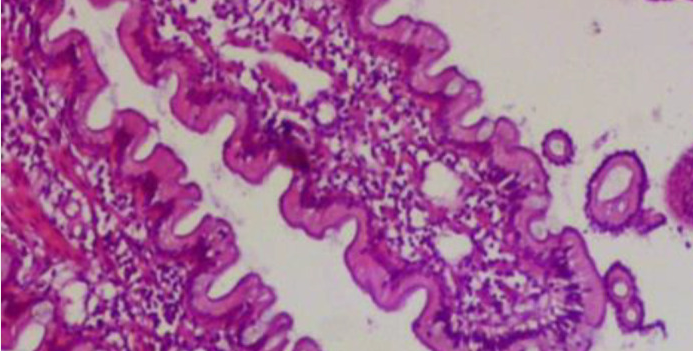
Canine inflammatory bowel disease (IBD) poses a significant challenge for veterinarians. Recent research highlights the multifactorial nature of IBD, emphasizing the role of gut microbiota and immunological dysregulation. Most studies focus on fecal samples, which offer insights but fail to capture the full picture of small intestine health. This blog aims to discuss findings from a study analyzing both fecal and duodenal microbiota in dogs with IBD.
Key Findings on Fecal Microbiota Composition
There are notable differences found in fecal microbiota between dogs with IBD and healthy counterparts. Lower relative abundances of taxa like Prevotellaceae and Lachnospiraceae indicated dysbiosis in IBD-affected dogs. Conversely, increased levels of Enterococcaceae and Streptococcaceae were evident. These shifts suggest a disrupted microbial balance, which can significantly impact gut health and inflammation.
Duodenal Microbiota: A Limited Perspective
While fecal samples provide valuable data, the analysis of duodenal biopsies showed minimal shifts in bacterial taxa. Lower abundances of Rubrobacteriaceae and Neisseriaceae were observed. This finding indicates that while the small intestine is primarily affected, fecal samples may offer a more comprehensive view of the gut microbiota.
Alternative Treatments for Canine IBD
Managing IBD requires a multifaceted approach. In addition to conventional treatments, consider these alternative strategies:
- Dietary Modifications: Implement a hydrolyzed or novel protein diet to reduce allergic reactions and inflammation.
- Probiotics: Introduce probiotics to help restore healthy gut flora and improve digestion. Look for strains like Lactobacillus and Bifidobacterium.
- Prebiotics: Incorporate prebiotics such as inulin or fructooligosaccharides to nourish beneficial bacteria.
- Omega-3 Fatty Acids: Use omega-3 supplements to reduce inflammation and improve overall gut health.
- Herbal Remedies: Explore natural anti-inflammatory herbs like slippery elm or marshmallow root for gastrointestinal support.
- Vitamin B12: Introduce vitamin B 12 supplementation as needed.
Future Directions in IBD Research
Future research should focus on multi-omics approaches to better understand the relationship between gut microbiota and IBD pathophysiology. Exploring the metabolome alongside microbiota can deepen our understanding of disease mechanisms. Such research holds promise for developing targeted therapies and improving canine IBD management.