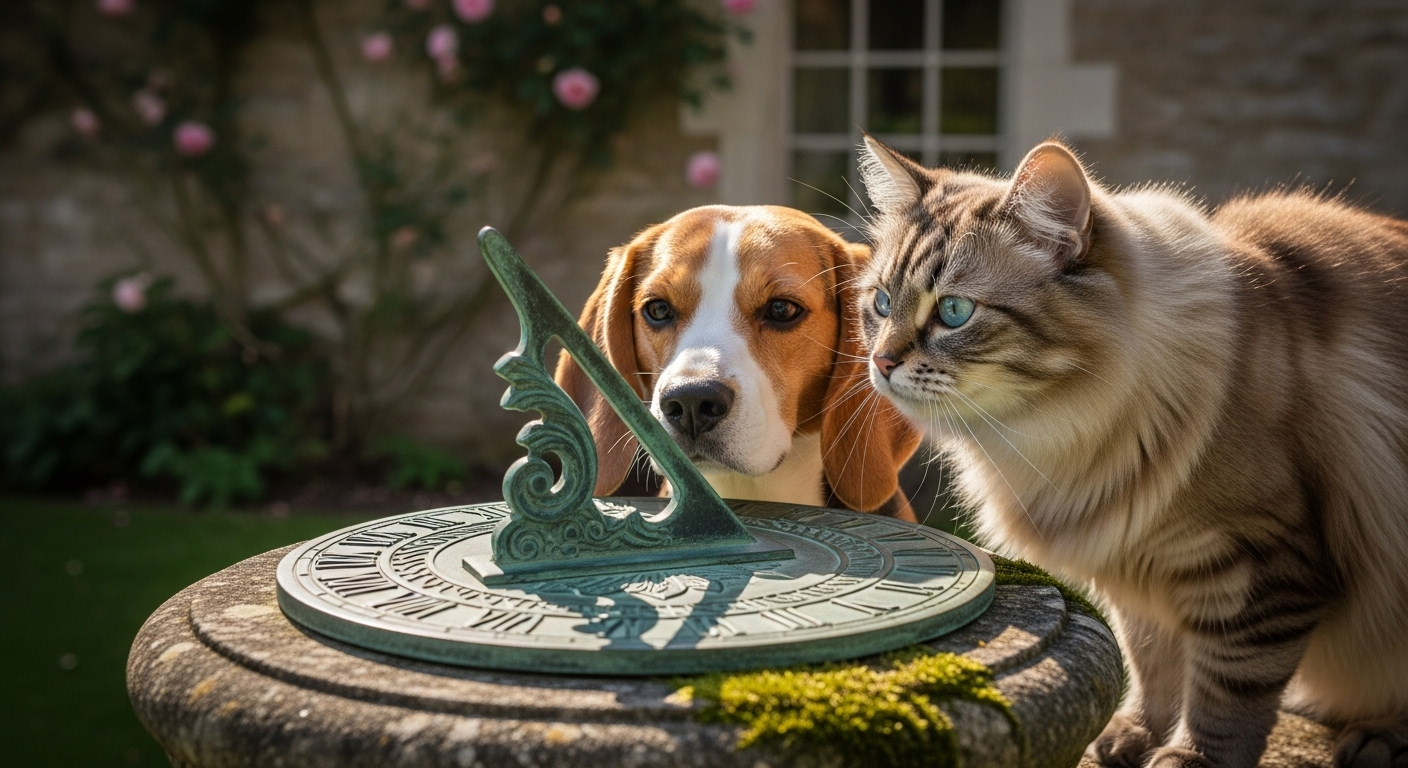
Twice a year, we adjust our clocks for daylight saving time. While we humans might feel a bit groggy for a few days, you might wonder if this time change affects your furry family members too. The answer is yes – dogs and cats can be impacted by daylight saving time changes.
How Dogs and Cats Experience Time Changes
Unlike humans who rely heavily on clocks, dogs and cats are guided by natural light patterns and established routines. Your furry companions have internal body clocks, called circadian rhythms, just like we do. These biological clocks help regulate sleep, appetite, and other important body functions.
When we “spring forward” or “fall back,” we’re suddenly asking our dogs and cats to eat, sleep, and go outside at different times according to their internal clocks. This can create confusion and temporary stress for many animals.
Common Signs Your Furry Friend Is Affected
You might notice several changes in your dog or cat during the week following a time change:
- Difficulty settling down at their usual bedtime
- Waking up earlier or later than normal
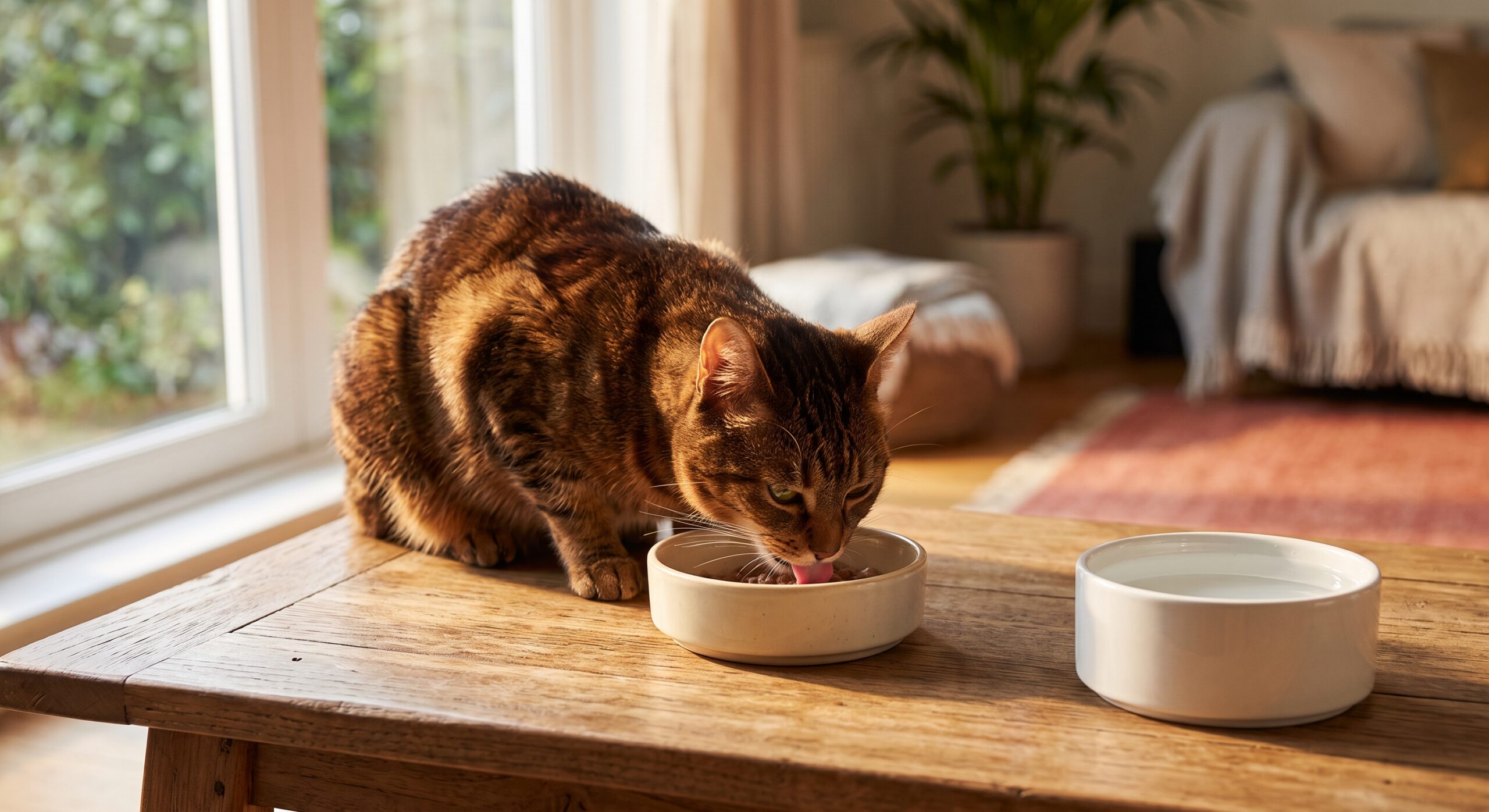
- Changes in appetite or eating schedule
- Increased restlessness or anxiety
- Accidents in the house from dogs who normally hold it well
- More demanding behavior around meal times
These signs are completely normal and usually temporary. Most dogs and cats adjust within three to seven days.
Tips to Help Your Furry Companion Adjust
The good news is that there are simple ways to make this transition easier for your furry friends:
Gradual Schedule Changes: A few days before the time change, slowly shift your furry companion’s routine by 15-minute increments. This helps them adjust more naturally.
Stick to Routines: Keep meal times, walks, and bedtime as consistent as possible. Routine provides comfort during periods of change.
Use Natural Light: Open curtains and blinds during daylight hours. Natural light helps reset your furry friend’s internal clock.
Stay Patient: Remember that temporary behavioral changes are normal. Avoid punishment for accidents or unusual behavior during this adjustment period.
Maintain Exercise: Regular physical activity helps regulate sleep patterns and reduces anxiety.
When to Contact Your Veterinarian
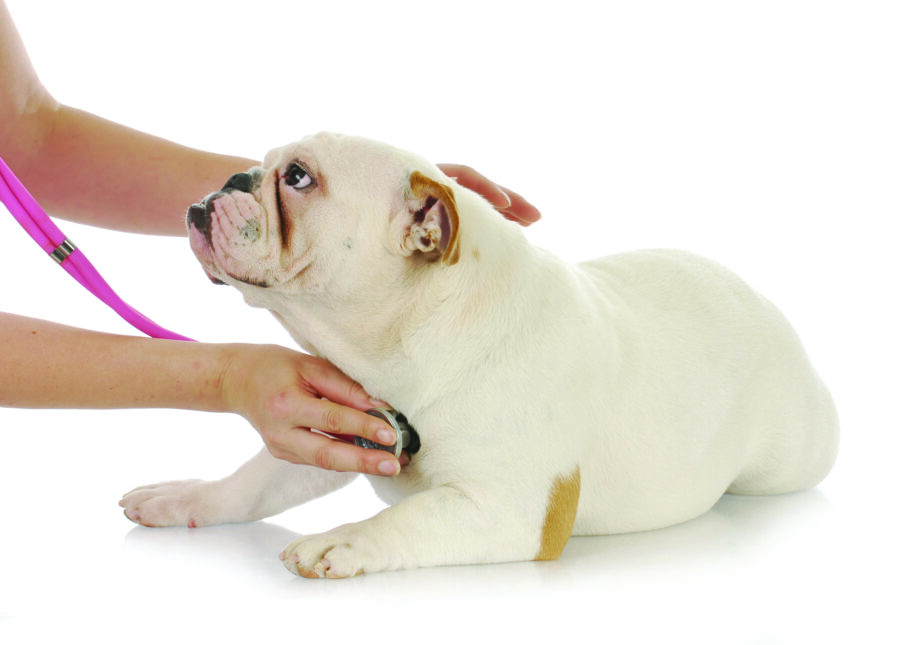
While most dogs and cats adjust quickly, some may struggle more than others. Senior dogs and cats or those with existing health conditions might take longer to adapt. If your furry friend shows signs of distress lasting more than a week, or if you notice significant changes in eating, drinking, or bathroom habits, contact your veterinarian.
Your vet can provide personalized advice and rule out any underlying health issues that might be making the adjustment more difficult.
Remember, patience and consistency are key to helping your beloved furry companions deal with these biannual time changes successfully.