The most common endocrine disease in dogs, hypothyroidism can be treated using an integrative approach that includes supplements, herbs and dietary changes.
Hypothyroidism is the most common endocrine disorder in canines. More than 80% of cases result from autoimmune (lymphocytic) thyroiditis. Accurate diagnosis of the early compensatory stages of canine autoimmune thyroiditis leading up to hypothyroidism affords important genetic and clinical options for prompt intervention and case management. This article highlights a range of integrative therapies, from supplements to foods to herbs, that can help canine patients with hypothyroidism.
Diagnosing canine hypothyroidism
Since the thyroid gland regulates the metabolism of all cellular functions in the body, reduced thyroid function can produce a wide range of clinical manifestations. Many of these clinical signs mimic those from other causes, so recognizing the condition and interpreting thyroid function tests can be problematic.
A complete baseline thyroid profile typically includes total T4, total T3, free T4, free T3, and circulating T3AA and T4AA autoantibodies. It can also include canine thyroid stimulating hormone (cTSH) and/or thyroglobulin autoantibody (TgAA). The TgAA assay is especially important for screening breeding stock for heritable autoimmune thyroid disease.
The normal reference ranges for thyroid analytes in healthy adult animals tend to be similar for most breeds of companion animals. Exceptions are sighthounds and giant dog breeds, which have lower basal levels. Thyroid levels for healthy sighthounds, such as retired racing Greyhounds, should be at or just below the established laboratory reference ranges, whereas optimal levels for healthy giant breeds are around the midpoint of these ranges.
Similarly, because young animals are still growing and adolescents are maturing, optimal thyroid levels are expected to be in the upper half of the reference ranges. In geriatric animals, basal metabolism is usually slowing down, so optimal thyroid levels are likely to be closer to midrange or even slightly lower.
Treating canine hypothyroidism
Conventional therapy
Thyroxine therapy inhibits TSH output from the pituitary gland through negative feedback inhibition. In the case of autoimmune thyroiditis, this reduces further destruction of thyroid tissue by the self-directed targeted attack from lymphocytes. Thyroxine is best given twice daily in dogs, as dividing the total daily dose about every 12 hours avoids a “peak and valley” effect. Since thyroxine binds to calcium and soy, it should be given at least an hour before or three hours after each meal to ensure full absorption.
Alternative therapies
A variety of nutrients play an important part in maintaining a healthy immune system and thyroid function.
Iodine
Iodine is essential to the production of thyroid hormone and has a vital role in early growth and organ development, especially the brain. It also regulates the metabolic activity of most body cells (muscle, heart, liver, kidney) and helps prevent cancers. Iodine does not occur naturally in foods, and soils from poorly managed land or those susceptible to flooding become iodine deficient. Grass-fed animals raised on these soils are also iodine deficient.
Many dog parents supplement the diets of their hypothyroid canines with kelp and other foods rich in iodine to help boost the thyroid gland. Iodine supplementation with 2% Lugol’s solution is inexpensive and an easy way to increase iodine intake to healthy levels, although giving too much can prove harmful. Excessive iodine can negatively affect dogs taking thyroid medication, which leads to a worsening of the very hypothyroidism you are trying to treat.
Whether or not you should supplement with iodine depends largely on the type of diet the dog is being given. Follow these guidelines to ensure you do not “overdose” a dog on iodine:
- If the dog is eating cereal-based kibble, do not supplement with sea kelp or other forms of iodine more than three times per week. These foods are already fortified with high doses of iodine.
- If the dog is being fed a home-cooked or raw diet, you can supplement with iodine every day, taking care to follow the product guidelines.
The best iodine rich foods are fish (cod, tilapia, mahimahi, tuna), raw milk, wild and pasture-raised livestock meats and organs (beef, chicken, pork, lamb), eggs from pasture-raised hens, and turkey.
Zinc
Zinc is a critical trace mineral essential for the function of the entire immune system. It plays a key role in more than 300 enzymatic and metabolic processes, including cell replication and the production of thyroid hormones. It’s also necessary for skin health. Zinc deficiency commonly results in a condition known as zinc responsive dermatosis, which is especially prevalent among Huskies, Malamutes and Samoyeds – breeds that have a genetic predisposition to poor zinc absorption. Symptoms include hair loss; dull and dry hair coat; scaly, crusty skin around the legs, head, and face (especially on the nose and circling the eyes, ears, chin, and mouth); poor wound healing; and thick and crusty foot pads. Zinc deficiency can also affect reproduction.
Selenium
Another essential trace mineral, selenium defends the body against oxidative damage and boosts the immune response. It potentially increases the effectiveness of vitamin E and is critical for recycling iodine. The soils in many countries are deficient in selenium. Crops grown on these soils – including cereal grains used for pet foods – will thus contain relatively low levels of selenium.
Selenium is needed to maintain the health of the thyroid; a deficiency leads to hypothyroidism. However, the resulting signs are often difficult to spot because blood levels of thyroid hormones are usually normal in cases of selenium deficiency. Synthetic antioxidants still used to preserve some dog foods can impair the bioavailability of selenium (as well as vitamins A and E). To help prevent selenium deficiency, dogs should be fed diets preserved naturally with vitamins E and C rather than synthetic chemical antioxidants. As selenium is also the most toxic mineral, it is required in only very low doses.
Vitamin E
Vitamin E is a fat-soluble antioxidant that neutralizes harmful free radicals that can cause cellular damage. It helps prevent cancer and diseases of the circulatory system (such as arteriosclerosis) and slows the aging process. Vitamin E also boosts the immune system, oxygenates the blood, improves the function of internal organs, prevents hormones from oxidation, reduces inflammation, and helps fight infection.
Vitamin E has been used to treat skin disorders and immune-mediated diseases in dogs. Animals who are deficient in vitamin E may display “Brown Bowel Syndrome,” a condition where their bowels ulcerate and hemorrhage and the tissue degenerates. Good sources of vitamin E include cold-pressed vegetable oils, meats, nuts, seeds, and green leafy vegetables.
Vitamin B6 (pyridoxine)
Vitamin B6 is essential for a healthy nervous system, protein metabolism, the formation and function of red blood cells, and healthy cognitive and immune function. Signs of vitamin B6 deficiency include anemia, seizures, skin disorders, arthritis, fatigue, kidney stones, and kidney damage. Since all B vitamins are water-soluble, excess amounts are not stored in the tissues as they are with fat-soluble vitamins. If too much vitamin B6 is ingested, it is eliminated via the urine, greatly reducing the risk of toxicity.
Cooking and processing destroy much of the vitamin B6 present in raw foods. Good sources of vitamin B6 include meat, poultry, fish, whole grains, legumes, and green leafy vegetables such as kale, collard greens, Brussels sprouts, broccoli and chard. Bananas are also a good source of vitamin B6.
Vitamin D
Many articles published in medical journals or the mainstream press discuss the dangers of vitamin D deficiency, and the benefits of its supplementation. Vitamin D deficiency has been associated with numerous autoimmune diseases, including autoimmune thyroiditis. It plays an important role in balancing the cell-mediated and humoral arms of the immune system. Vitamin D deficiency is also specifically associated with autoimmune thyroid disease; this vitamin has been shown to benefit autoimmune-mediated thyroid dysfunction.
For circulating vitamin D to perform its functions, it must first activate the vitamin D receptor (VDR). The problem is, many of those with autoimmune disease have a genetic polymorphism that affects the expression and activation of the VDR, thus reducing the biologic activity of vitamin D. With low thyroid function, vitamin D deficiency can occur even if blood levels of vitamin D are normal.
Linoleic acid
Linoleic acid is an Omega-6 fatty acid. Fatty acids are polyunsaturated fats with specific molecular combinations of carbon, hydrogen, and oxygen. The two main groups of fatty acids are Omega-3 and Omega-6. Fatty acids not manufactured in the body, such as linoleic acid, are referred to as essential fatty acids (EFAs), and must be obtained from food. Linoleic acid is the most important Omega-6 for dogs, since it is used to produce other Omega-6 fatty acids. It is also important for the dog’s skin and coat, as it allows the skin to become permeable to water. Sunflower, safflower, corn, and evening primrose oil are excellent sources of linoleic acid. However, feeding too much Omega-6 can be pro-inflammatory.
Commercial pet foods often advertise themselves as “balanced.” However, they may contain an improper ratio of major nutrients, vitamins, and minerals. While commercial pet food manufacturers compensate for variations in ingredients by adding vitamin and mineral supplements, it is challenging to determine optimum levels for the many different dog breeds with variable genetic backgrounds and metabolic needs. Supplementation with vitamins and minerals should not be viewed as a substitute for feeding premium quality fresh and/or packaged pet foods.
In addition, commercial foods are often highly processed and may contain chemical preservatives to enhance their stability and shelf life. These chemical preservatives detract from the wholesomeness and nutritional quality of the product.
Vegetables and fruits for hypothyroid dogs
Dogs benefit from the disease-fighting nutrients in vegetables and fruits just as we do. This is especially true of the anthocyanins, likee green leafy and yellow/orange vegetables, and brightly-colored fruit, which contain a wealth of important nutrients.
Green leafy vegetables are packed with antioxidants and cancer-fighting nutrients such as phytochemicals (non-nutritive plant chemicals that may help prevent disease), including carotenoids (e.g. beta-carotene, lutein, zeaxanthin), flavonoids (e.g. quercetin, resveratrol, rutin) and phytosterols. Green leafy vegetables are low in fat and calories and high in fiber, which boosts the dog’s immune system without packing on the pounds.
Many tasty varieties of green leafy vegetables will entice even the most carnivorous canine. Try lightly steaming or blending (to break down the fiber and cellulose) spinach, broccoli, kale, lettuce, Italian parsley, Swiss chard, collards, Bok choy or turnip greens, and offer them at least three times per week.
The yellow/orange family of vegetables include the carotenoids (phytochemicals that give them their lovely bright color). Yellow/orange veggies also contain other phytochemicals including vitamin C and flavonoids, known for their antioxidant and disease-fighting properties. Just add a variety of yellow/orange vegetables such as squash, carrots, pumpkin, yellow beets, yams, and sweet potatoes to the dog’s diet. Lightly steam them for super taste and maximum nutrition.
Fruits such as apples, peaches, pears, bananas, and berries (blueberries, cranberries, pomegranates, but not strawberries) are high in many valuable vitamins, minerals, and antioxidants. Offer dogs a slice of banana or apple for a snack instead of doggy biscuits, or add a scoop of blueberries to some yogurt for an immune-boosting breakfast.
Conclusion
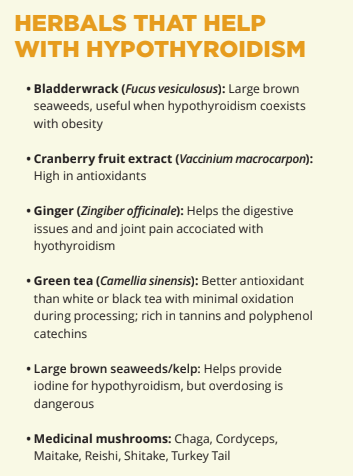
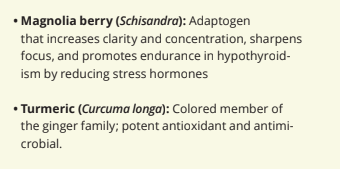
An integrative approach to the common problem of canine hypothyroidism embraces a wide range of therapies, from conventional medication to diet, supplements and herbs (see sidebar on page xx). Additional complementary modalities that can play a role in treatment include acupuncture, Reiki, massage therapy, Ayurveda, and botanical therapy.
References
Dobias P. Holistic treatment of hypothyroidism in dogs. Dr. Dobias Natural Healing, 2024.
Dodds WJ. Estimating disease prevalence with health surveys and genetic screening. Adv Vet Sci Comp Med, 39: 29-96, 1995.
Dodds WJ. Autoimmune thyroiditis and polyglandular autoimmunity of purebred dogs. Can Pract 22 (1): 18-19, 1997.
Dodds WJ. Behavioral changes associated with thyroid dysfunction in dogs. Proc Am Hol Vet Med Assoc, 80-82, 1999.
Dodds WJ, Laverdure DR. The Canine Thyroid Epidemic: Answers you Need for Your Dog. DogWise Publishing, Wenatchee, WA, 2011.
Dodds WJ, Laverdure DR. Canine Nutrigenomics: The New Science of Feeding Your Dog for Optimum Health. DogWise Publishing, Wenatchee, WA, 2015.
Gwizdak P, Szlacheta P, Laskawiec-Żuławińska D, et al. Dietary habits, nutritional knowledge, and their impact on thyroid health in women: a cross-sectional study. Nutrients 16:3862, 2024.
Jensen AL, Iversen L, Høier R, et al. Evaluation of an immunoradiometric assay for thyrotropin in serum and plasma samples of dogs with primary hypothyroidism. J Comp Pathol 114: 339-346, 1996.
Kennedy LJ, Quarmby S, Happ GM, Barnes A et al. Association of canine hypothyroid disease with a common major histocompatibility complex DLA class II allele. Tissue Antigens 68:82-86, 2006.
Lee WM, Diaz-Espineira MM, Mol JA, Rijnberk A, Kooistra HS. Primary hypothyroidism in dogs is associated with elevated GH release. J Endocrinol 168:59-66, 2001.
Living W. Why iodine is so important for raw fed dogs. Blog, Feb 11, 2019.
Nachreiner RF, Refsal KR. Radioimmunoassay monitoring of thyroid hormone concentrations in dogs on thyroid replacement therapy: 2,674 cases (1985-1987). J Am Vet Med Assoc 201: 623-629, 1992.
Nachreiner RF, Refsal KR, Graham PA, et al. Prevalence of autoantibodies to thyroglobulin in dogs with nonthyroidal illness. Am J Vet Res 59:951-955, 1998.
Nachreiner RF, Refsal KR, Graham PA, Bowman MM. Prevalence of serum thyroid hormone autoantibodies in dogs with clinical signs of hypothyroidism. J Am Vet Med Assoc 220:466-471, 2002.
Peterson ME, Melian C, Nichols R. Measurement of serum total thyroxine, triiodothyronine, free thyroxine, and thyrotropin concentrations for diagnosis of hypothyroidism in dogs. J Am Vet Med Assoc 211:1396-1402, 1997.
Scott-Moncrieff JCR, Nelson RW, Bruner JM, et al. Comparison of thyroid-stimulating hormone in healthy dogs, hypothyroid dogs, and euthyroid dogs with concurrent disease. J Am Vet Med Assoc 212:387-391, 1998.
Scott-Moncrieff JC, Azcona-Olivera J, Glickman NW, Glickman LT, Hogen Esch H. Evaluation of antithyroglobulin antibodies after routine vaccination in pet and research dogs. J Am Vet Med Assoc 221: 515-521, 2002.
Thacker EL, Refsal KR, Bull RW. Prevalence of autoantibodies to thyroglobulin, thyroxine, or triiodothyronine and relationship of autoantibodies and serum concentration of iodothyronines in dogs. Am J Vet Res 53: 449-453, 1992.