

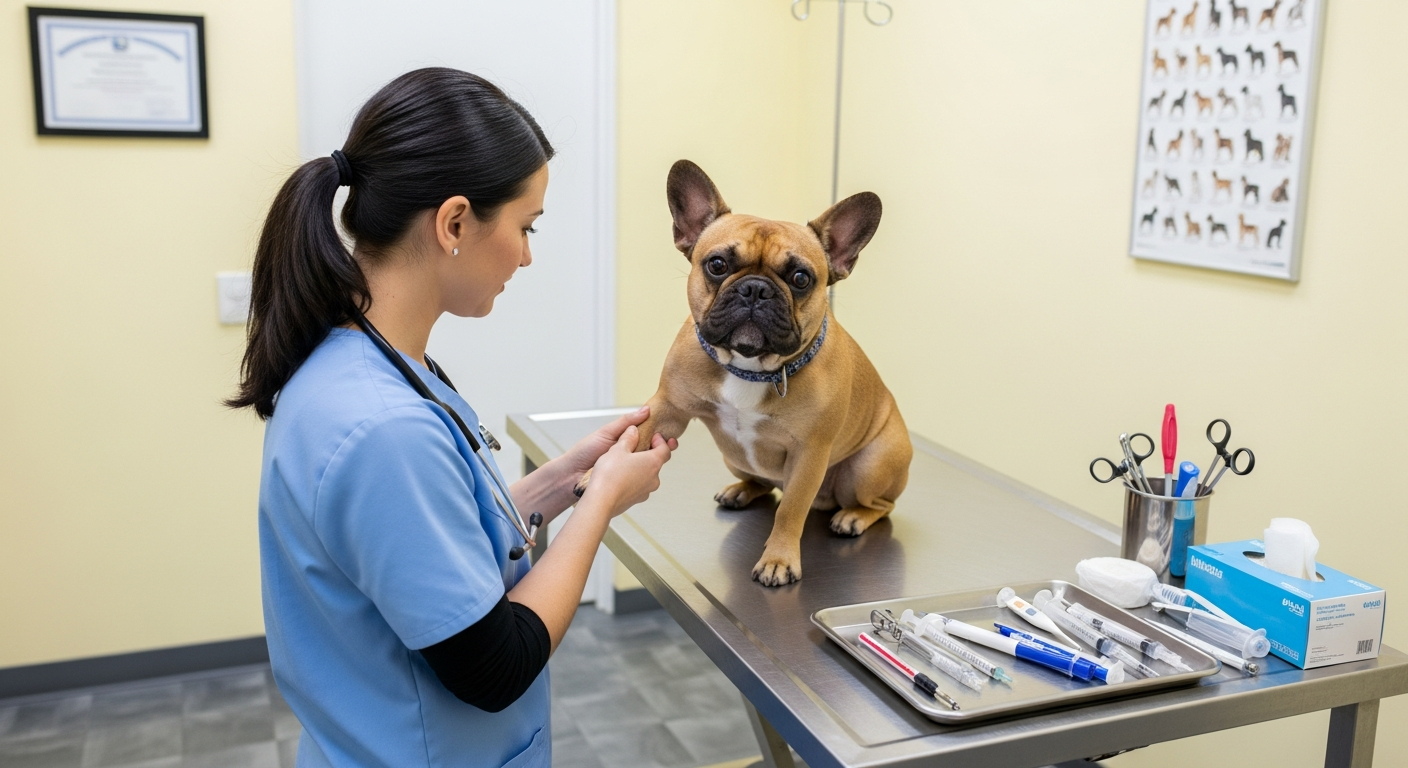
Brachycephalic breeds—those with short, flat faces like Bulldogs, Pugs, and French Bulldogs—have become increasingly popular companions. However, the selective breeding that creates their characteristic appearance has also led to serious health concerns, particularly Brachycephalic Obstructive Airway Syndrome (BOAS). A recent study provides valuable insights into how different skull shapes affect exercise tolerance and identifies specific measurements that may help predict BOAS severity.
Study Findings on Exercise Tolerance
Researchers evaluated 80 dogs across different biotypes using two walking tests: a 6-minute walk and a 1,000-meter walk. They measured physiological parameters including heart rate, respiratory rate, blood pressure, oxygen saturation, and body temperature before and after exercise.
While all dogs completed both tests without requiring emergency intervention, significant differences emerged between biotypes. Dolichocephalic and mesocephalic dogs showed better respiratory adaptation during exercise. Brachycephalic dogs, particularly those with severe BOAS (grades 2-3), covered significantly less distance in the 1,000-meter test—grade 3 dogs averaged only 699 meters compared to 932 meters for grade 2 dogs.
Critical Anatomical Measurements
The study identified specific measurements associated with higher BOAS risk:
- Rostral (nose) length less than 38 millimeters
- Neck, chest circumference, and nasal fold measurements of 20 millimeters or greater
Dogs with these measurements showed more severe alterations in physiological parameters, including oxygen saturation dropping below 90% and temperatures that didn’t return to baseline even 10 minutes after exercise. This combination of anatomical features significantly impairs respiratory function and creates thermoregulatory inefficiency.
Clinical Implications
These findings have important practical applications. The walking tests provide a safe, non-invasive method for assessing BOAS severity in clinical practice. Combined with simple morphometric measurements, veterinary professionals can identify at-risk dogs and provide early intervention.
Dogs showing poor exercise tolerance, persistent elevation in vital signs post-exercise, or oxygen desaturation should be carefully evaluated for BOAS. Remember that affected dogs may present with respiratory noise, exercise intolerance, syncope, or in severe cases, life-threatening respiratory distress.
Recommendations for Pet Owners
As veterinary professionals, we should counsel brachycephalic breed owners about their pets’ limitations. These dogs require careful monitoring during physical activity and heat exposure. Recommending appropriate exercise levels based on individual tolerance and considering surgical intervention for moderate to severe cases can significantly improve quality of life.
The research reinforces that extreme brachycephalic conformation creates real physiological challenges that can compromise survival under physical stress. Early diagnosis and intervention remain essential for managing this increasingly common condition.