

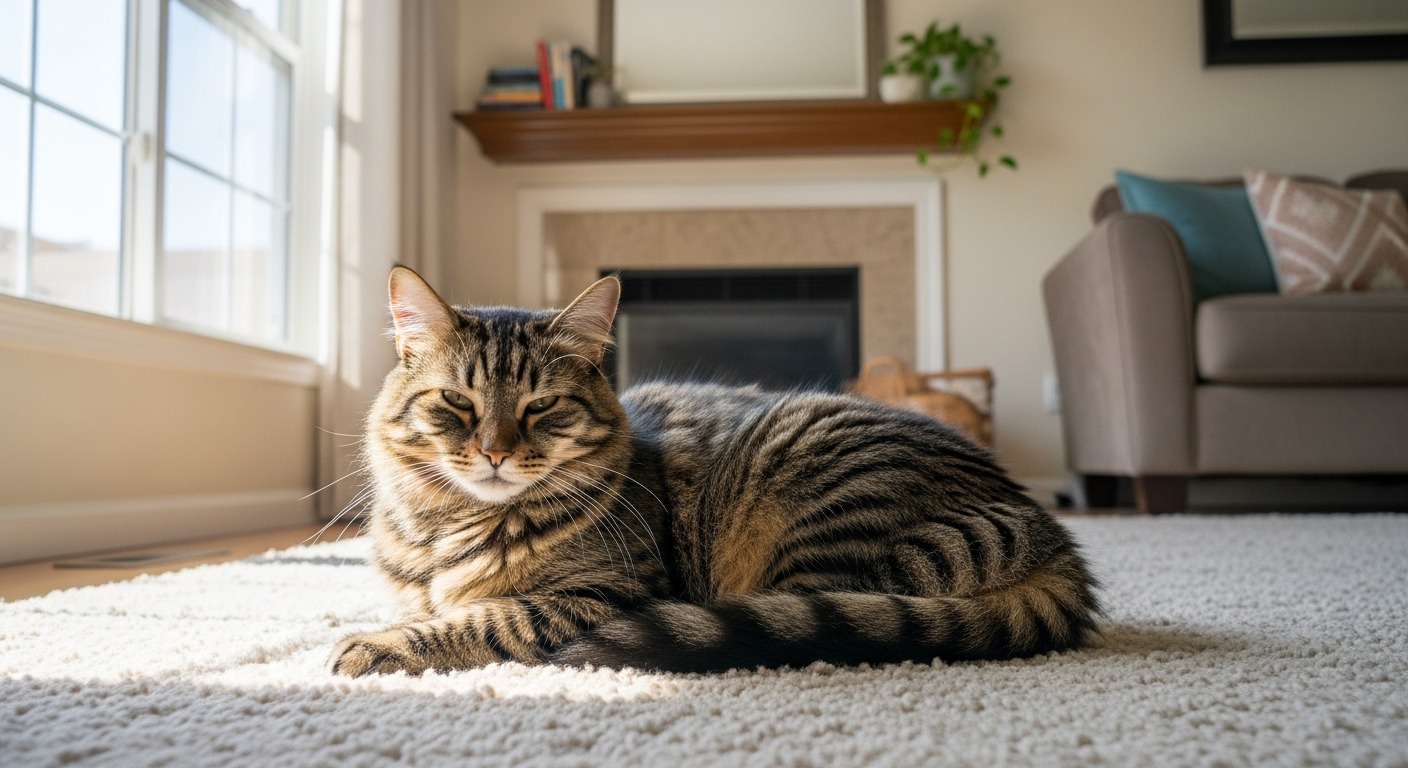
If you share your home with a cat, you need to know about lower urinary tract disease. This condition affects cats far more often than many people realize, and recognizing the signs early can make a significant difference in your feline companion’s health and comfort.
What Is Lower Urinary Tract Disease?
Lower urinary tract disease (LUTD) refers to a group of conditions that affect a cat’s bladder and urethra (the tube that carries urine from the bladder out of the body). One of the most common forms is idiopathic cystitis, which means bladder inflammation without a clear cause. Other causes include bladder stones, urinary blockages, and bacterial infections.
Why It Matters
This condition is surprisingly common in cats and can range from mildly uncomfortable to life-threatening. LUTD is among the top reasons cats are brought to veterinary clinics. Male cats, especially those who have been neutered, face a higher risk of urethral obstruction—a complete blockage that prevents them from urinating. This is a true medical emergency that requires immediate veterinary attention.
Warning Signs to Watch For
Your cat cannot tell you when something is wrong, so you need to watch for these important symptoms:
- Straining to urinate or crying out while in the litter box
- Making frequent trips to the litter box but producing only small amounts of urine
- Blood in the urine (it may appear pink or red)
- Urinating outside the litter box
- Excessive licking of the genital area
- Loss of appetite or appearing depressed
If your cat is straining without producing any urine, shows severe lethargy, or vomits, seek veterinary care immediately. These signs could indicate a complete blockage.
What Increases the Risk?
Several factors can make cats more likely to develop lower urinary tract problems. Stress plays a significant role in many cases. Changes in the household, conflicts with other animals, or even a dirty litter box can contribute to the problem. Being overweight, eating only dry food, and not drinking enough water also increase risk.
If you notice any concerning symptoms, schedule an appointment with your veterinarian right away. They will likely perform a urinalysis and possibly other tests to determine the exact cause of your cat’s symptoms. Treatment varies depending on what’s causing the problem but may include medications, dietary changes, increased water intake, and stress reduction strategies.
Remember, you know your cat best. Trust your instincts. Early intervention can prevent minor issues from becoming major problems and keep your feline friend comfortable and healthy for years to come.