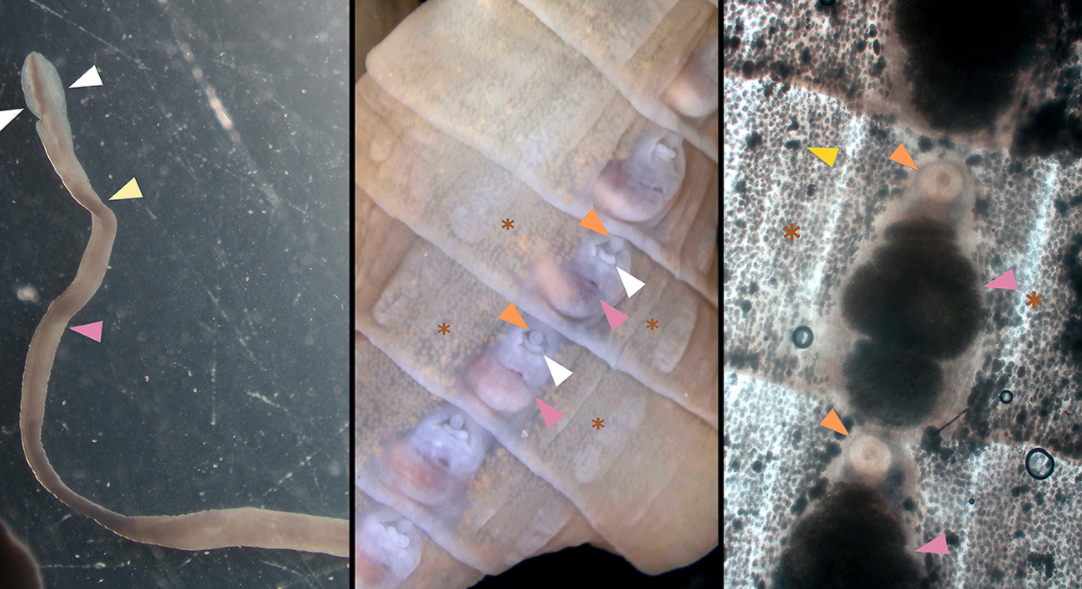
Spirometra mansoni (S. mansoni) is a zoonotic parasite with global distribution, posing significant challenges for both veterinary and public health. While adult worms inhabit the small intestines of dogs and cats, the plerocercoid larvae (spargana) can infect humans and other vertebrates, leading to sparganosis—a food‑borne zoonosis of growing concern. With global distribution, the risk of transmission is amplified, underscoring the urgent need for reliable diagnostic tools.
Limitations of Conventional Diagnostics
Traditional diagnostic approaches for sparganosis remain limited. Epidemiological examinations are sparse, and clinical diagnosis is often delayed or inaccurate. Common serum immunological methods, while useful, are not easily scalable in low‑resource settings. The dot immunogold filtration assay (DIGFA), for example, suffers from cross‑reactivity with other parasitic diseases such as lung fluke infection and cysticercosis, reducing its specificity. These limitations highlight the need for a rapid, sensitive, and cost‑effective diagnostic alternative.
Emergence of LAMP Technology
Loop‑mediated isothermal amplification (LAMP) has recently emerged as a promising molecular diagnostic technique. Unlike PCR, LAMP operates at a constant temperature, eliminating the need for expensive thermal cyclers. It is rapid, highly specific, and adaptable to field conditions—making it particularly suitable for veterinary applications in resource‑limited environments.
Study Findings: Detecting S. mansoni Eggs
A recent study established a LAMP assay capable of detecting S. mansoni eggs in dog feces within 60 minutes. Researchers collected 97 fecal samples from stray dogs in Changsha City, Hunan Province. DNA was extracted and primers designed based on the S. mansoni cox1 gene. Specificity was confirmed through PCR and nested PCR using both outer and inner primers.
The LAMP assay for parasitic detection demonstrated a detection rate of 70.21%, outperforming conventional PCR. Infected samples produced the characteristic ladder‑like amplification pattern, while negative controls showed no signal. Fluorescent staining with SYBR Green I further confirmed positive reactions exclusively in infected samples. Importantly, LAMP was able to detect eggs earlier in the infection cycle compared to microscopy and PCR, offering a clear advantage in timely diagnosis.
The adoption of LAMP assays represents a significant advancement in parasite detection. Its speed, sensitivity, and specificity make it a valuable tool for monitoring animals and reducing zoonotic transmission risks. By enabling earlier detection, veterinarians can implement targeted interventions, improve animal health outcomes, and mitigate public health threats.
The development of a LAMP assay for parasitic detection marks a pivotal step forward in veterinary diagnostics. Integrating such molecular tools into routine practice will be helpful in controlling zoonotic parasites and safeguarding animal health.