

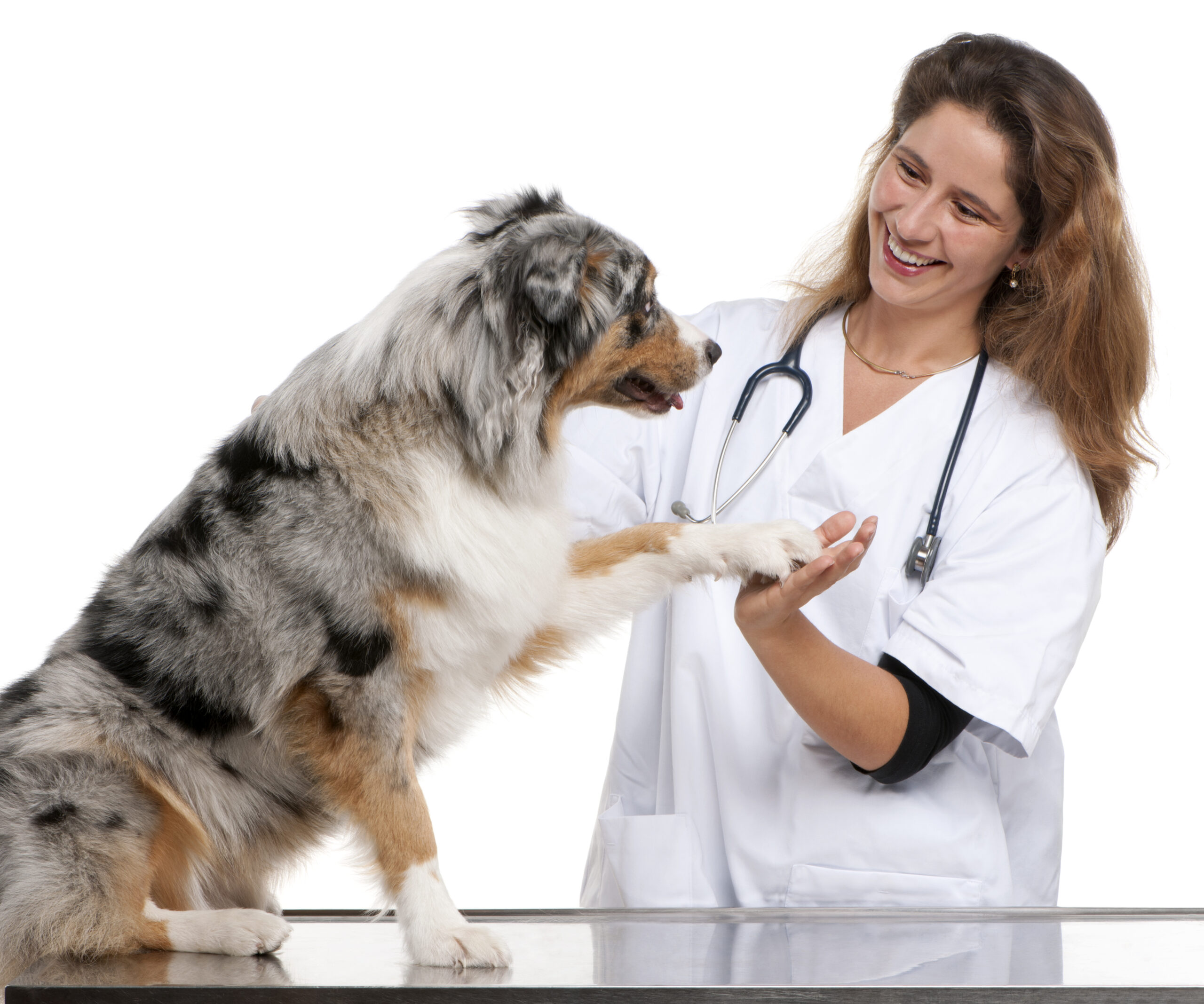
Most veterinary practices stick to traditional care, missing out on the benefits holistic pet care CE brings. You know that preventive care changes outcomes, but finding practical ways to apply it can be tough. This post shows how veterinary continuing education in holistic and integrative methods can boost your team’s skills, improve client communication, and drive veterinary practice growth. Explore more about continuing education here.
Benefits of Holistic Veterinary Continuing Education
Holistic veterinary continuing education offers numerous advantages that can enhance your practice. By integrating holistic approaches, you can advance clinical outcomes, strengthen client communication, and promote practice growth.
Boosting Clinical Outcomes
Holistic education empowers you to boost clinical outcomes effectively. When you integrate natural therapies with conventional treatments, you see improvements in animal health. Holistic methods, such as acupuncture or herbal remedies, can complement traditional medicine. By expanding your knowledge, you can address complex cases with a wider range of tools. Most veterinarians find that blending these approaches results in happier, healthier patients.
Holistic care also emphasizes preventive strategies. By focusing on prevention, you can reduce the incidence of diseases. Imagine fewer emergency visits and healthier pets. This shift not only benefits the animals but also lessens the strain on your practice. The key insight: broadening your therapeutic toolbox leads to more successful outcomes.
Enhancing Client Communication
Improving client communication is crucial for any vet practice. Holistic education equips you with the language and confidence to discuss alternative treatments. When you explain the benefits of natural therapies clearly, clients feel more informed and involved in their pets’ care. This transparency builds trust and strengthens the bond between you and pet owners.
Moreover, clients appreciate a personalized approach. By tailoring advice to each pet’s needs, you demonstrate a deep understanding of holistic care. This specificity reassures owners that their pets are receiving top-notch care. When clients see noticeable improvements, their satisfaction increases, leading to positive word-of-mouth and loyalty.
Increasing Veterinary Practice Growth
Adopting holistic methods can significantly impact practice growth. Offering a diverse range of services attracts new clients seeking comprehensive care. People are increasingly interested in natural and preventive options for their pets. By meeting this demand, you position your practice as a leader in holistic pet care.
Integrating holistic education can also improve staff morale. When your team feels empowered through continuous learning, they are more engaged and motivated. A motivated team improves overall service, which enhances client satisfaction. Here’s the key insight: investing in holistic education fosters a thriving practice with committed staff and loyal clients.
Key Components of Holistic Pet Care CE
Understanding the core elements of holistic pet care education can enrich your practice. These components include evidence-based holistic care, nutrition, and stress reduction, which are essential for comprehensive animal well-being.
Evidence-Based Holistic Care
Evidence-based holistic care forms the foundation of holistic education. This approach relies on scientific research to validate alternative treatments. When you integrate evidence-based practices, you enhance your credibility. Clients trust that your recommendations are backed by research, not just trends.
You can explore various holistic therapies, such as chiropractic care or homeopathy, with confidence. Studies show that these methods can complement traditional treatments effectively. By staying informed about the latest research, you ensure that your practice remains at the forefront of veterinary medicine.
Nutrition and Supplements for Pets
Proper nutrition is pivotal in holistic pet care. Understanding dietary needs and supplements can dramatically improve pet health. Nutrition courses teach you about balanced diets, specific nutrient requirements, and the benefits of supplements.
Consider pets with chronic conditions: tailored diets can alleviate symptoms and improve quality of life. By advising clients on appropriate diets, you enhance their pet’s well-being. Many pet owners are unaware of the impact nutrition can have, and your expertise can guide them toward optimal choices.
Stress Reduction in Veterinary Care
Stress reduction is crucial in veterinary care. High stress levels can exacerbate health issues in pets. By learning stress-reducing techniques, you can improve the veterinary experience for animals and owners alike. Gentle handling and creating a calming environment can make visits less traumatic.
Courses on low-stress handling teach you how to ease anxiety during visits. These techniques not only benefit the animals but also make procedures smoother and quicker. The longer you wait to implement these strategies, the more stress accumulates in your practice. Here’s the key insight: reducing stress improves both animal health and client experiences, leading to better outcomes.
Building Skills with AWA Certifications
Animal Wellness Academy offers diverse certifications that empower veterinary professionals. These certifications help you build skills, earn credentials, and stay ahead in holistic pet care.
Micro-Credentials for Vets
Micro-credentials provide focused learning in specific areas. These short courses allow you to gain expertise without a significant time commitment. Veterinarians appreciate the flexibility micro-credentials offer, fitting learning into busy schedules.
Each micro-credential covers a distinct topic, such as herbal medicine or low-stress handling. Completing these courses demonstrates your commitment to holistic care. Clients and colleagues recognize these credentials, boosting your professional reputation. The takeaway: micro-credentials offer a quick path to specialized knowledge, enhancing your practice’s offerings.
Online Veterinary CE Credits
Online veterinary CE credits offer convenience and accessibility. With courses available anytime, you can learn at your own pace. This flexibility allows you to balance education with daily practice demands.
Online courses cover a range of topics from nutrition to stress management. They equip you with the knowledge needed to implement holistic strategies effectively. By earning CE credits online, you stay current in the evolving field of veterinary medicine. The primary benefit: you can continually expand your expertise without disrupting your practice routine.
Animal Wellness Certification Paths
Animal Wellness Certification Paths provide comprehensive education in holistic pet care. These programs guide you through a series of courses, culminating in a recognized certification. Certification paths are ideal for those seeking a deep dive into holistic practices.
By completing a certification path, you demonstrate a mastery of holistic care principles. This achievement sets you apart as a leader in natural pet care. Clients value certifications, as they signal a commitment to high-quality, informed care. In summary, certification paths offer extensive learning, empowering you to become a trusted authority in veterinary wellness.
Incorporating holistic continuing education into your practice is a strategic move that benefits both your team and your clients. As you explore these educational opportunities, you’ll unlock new potential for growth and success in your veterinary practice.