

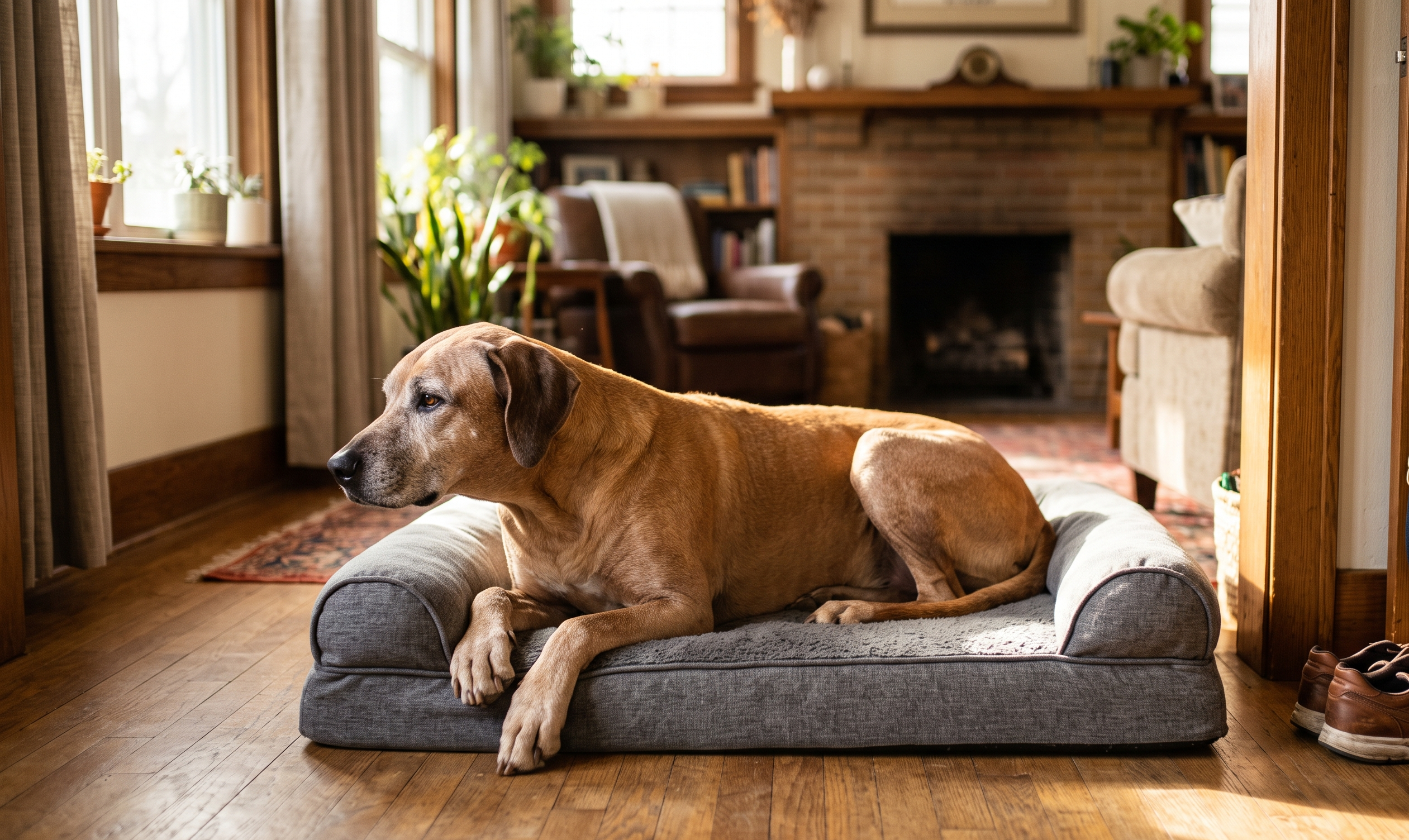
Early joint stiffness is a real and often overlooked health concern, especially in senior dogs and large breeds. The good news? There are some supportive steps you can take to help keep your dog comfortable and moving well.
What Is Early Joint Stiffness?
Before full arthritis develops, many dogs go through a stage where their joints are quietly losing flexibility and comfort. This is sometimes called pre-arthritis, and it can be easy to miss. Your dog may not yelp in pain or show obvious limping. Instead, the signs are subtle — a little slowness after rest, less enthusiasm for walks, or mild stiffness in the morning that seems to loosen up as the day goes on.
Large-breed dogs like Labrador Retrievers, German Shepherds, and Golden Retrievers are especially prone to joint issues. Senior dogs of all breeds are also at higher risk as normal wear and tear adds up over the years.
Supportive Approaches to Consider
While early joint stiffness should always be discussed with your veterinarian, there are several natural and supportive strategies that may help keep your dog comfortable.
Omega-3 Fatty Acid Supplementation
Fish oil is one of the most widely recommended supplements for joint health in dogs. Omega-3 fatty acids have natural anti-inflammatory properties that may help reduce joint discomfort and support overall mobility. Always check with your vet before starting any supplement to make sure it’s appropriate for your dog.
Low-Impact Exercise
Movement is medicine — but the type of movement matters. Swimming is an excellent low-impact activity that keeps muscles strong and joints mobile without putting extra stress on them. Gentle leash walks on soft surfaces are another great option. Avoid high-impact activities like jumping or rough play if your dog is already showing signs of stiffness.
Joint-Supportive Supplements
Glucosamine and chondroitin are commonly used supplements that may help support cartilage health and joint function. Research is ongoing, but many veterinarians recommend them as part of a broader joint health plan. Always get your vet’s approval before adding supplements to your dog’s routine.
Warm, Supportive Bedding
Cold, hard floors can make joint stiffness worse. Providing your dog with a warm, orthopedic bed can make a meaningful difference in how they feel, especially after long periods of rest.
Early action leads to better outcomes. If you’re noticing any signs of stiffness or slowed movement in your dog, schedule a visit with your veterinarian. They can properly evaluate your dog’s joints and help you build a care plan that’s right for them.


