

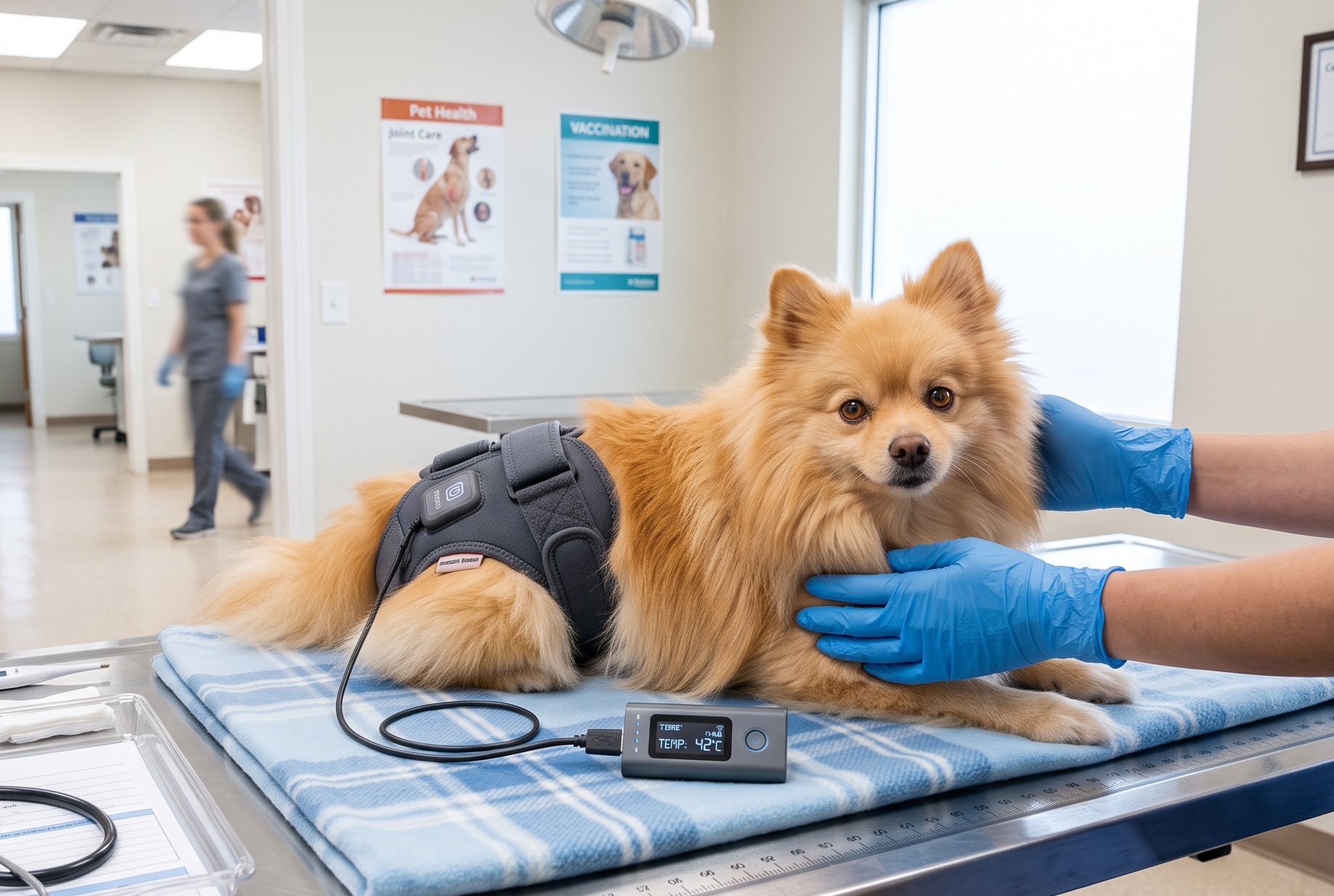
Many veterinary professionals look for safe, effective, and non-invasive complementary and alternative ways to help patients feel better and heal faster. Heat therapy, also known as thermotherapy, is one of the most valuable tools in physical rehabilitation. When used correctly, it can make a real difference in the comfort and recovery of canine patients.
What Is Heat Therapy?
Heat therapy involves applying warmth to a specific area of the body to promote healing and comfort. It is important to note that heat therapy is not used during the acute phase of an injury, when inflammation is at its peak. Instead, it is best applied after the initial swelling and inflammation have gone down. Using heat too early can actually make inflammation worse, so timing is everything.
How Does It Work?
When heat is applied to the body, several helpful things happen:
- Blood vessels widen, increasing blood flow to the area
- Muscles relax, reducing stiffness and spasms
- Pain signals are reduced, providing comfort to the patient
- Tissue flexibility improves, making movement easier
These effects make heat therapy a great complement to other treatment plans, including medication, surgery recovery, and physical rehabilitation exercises.
Conditions That Can Benefit From Heat Therapy
1. Muscle Stiffness and Soreness
Dogs that are stiff after exercise or activity can benefit greatly from gentle heat application. It helps loosen tight muscles and gets them moving more comfortably. This is especially useful in athletic or working dogs.
2. Chronic Arthritis and Joint Pain
Osteoarthritis is one of the most common conditions we see in dogs, especially as they age. Chronic joint pain and stiffness respond well to heat therapy, which helps improve joint mobility and reduce discomfort during daily activities.
3. Hip Dysplasia
Hip dysplasia causes abnormal development of the hip joint, leading to pain and reduced mobility. Heat therapy can help relax the surrounding muscles and improve comfort, making it a valuable part of a long-term management plan.
4. Intervertebral Disc Disease (IVDD)
IVDD is a serious spinal condition that causes pain, nerve issues, and sometimes paralysis. After the acute phase has passed, heat therapy can help relieve muscle tension around the spine and support the recovery process.
5. Muscle Spasms
Involuntary muscle contractions can be both painful and stressful for patients. The relaxing effect of heat therapy makes it highly effective at reducing the frequency and intensity of muscle spasms.
6. Post-Surgical Rehabilitation
Recovery after surgery often involves muscle tightness and reduced movement. Incorporating heat therapy into a rehabilitation program can speed up recovery by improving circulation and keeping muscles supple.
How to Apply Heat Therapy Safely
Safety is always the top priority. Here are some key guidelines:
- Use warm, not hot temperatures. A good rule of thumb is that if it feels too hot on your own skin, it is too hot for your patient
- Never apply heat directly to the skin. Always use a towel or cloth as a barrier
- Limit sessions to 15 to 20 minutes
- Never leave a patient unattended during treatment
- Avoid heat therapy over open wounds, areas of active infection, or any region where circulation may be compromised
Heat therapy is a simple, affordable, and highly effective tool that can greatly improve a patient’s quality of life. When combined with proper veterinary care, medication management, and a structured rehabilitation plan, it can help dogs move better, feel better, and recover faster.
Every patient is different. Your expertise and careful assessment are what make all the difference in your patients’ outcomes.