Learn how to adapt your dog to urban living with 5 essential tips covering exercise, socialization, stress relief, and more.
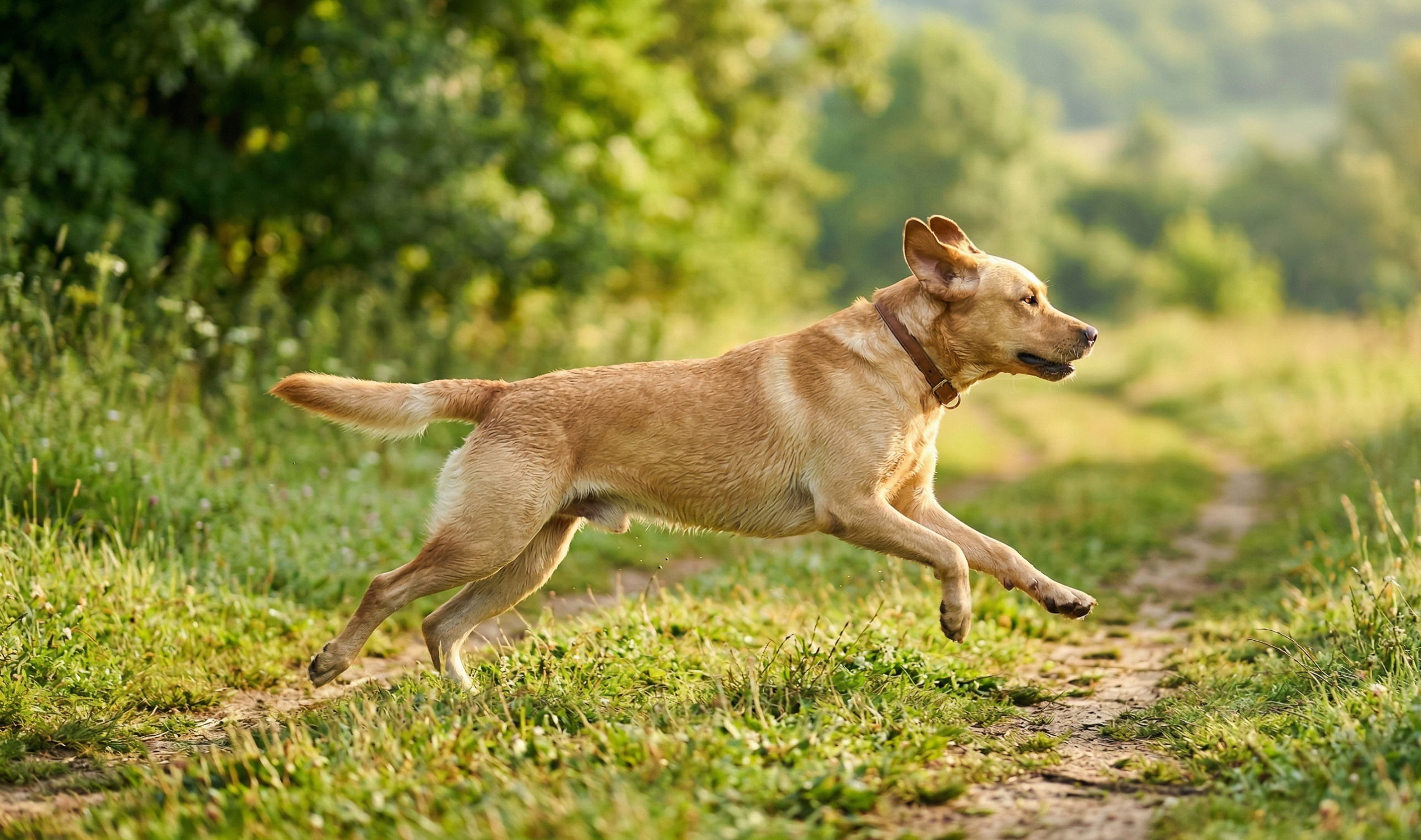
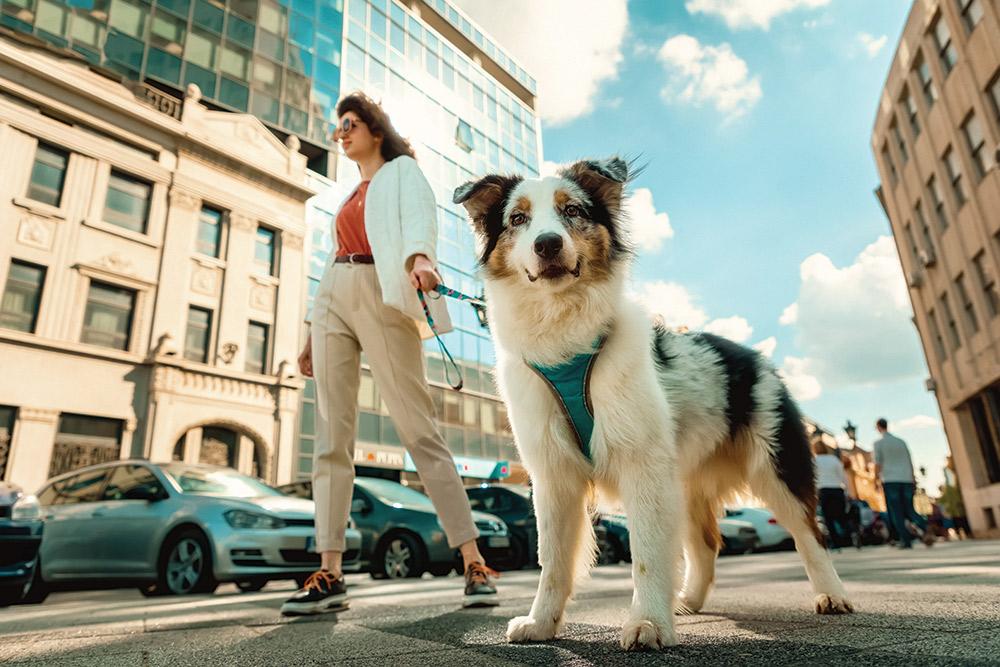
We like to picture our dogs frolicking in grassy fields, trotting down country roads, or rolling in clover. The reality is more limited. Many of us end up living in cities due to the demands of our jobs. Or we retire and downsize to an apartment in town. If you find yourself in this situation, it’s essential to teach your dog how to adapt to urban living and smaller spaces.
Key #1 – Exercise
Regular exercise for your dog can be challenging without a yard or with limited access to outdoor areas. However, regular walks become even more crucial in these situations.
According to most recognized sources, you should aim for at least 30 minutes of walking a day to maintain your adult dog’s physical and mental health. However, her breed, age, and health status can affect this need. Some dogs require more exercise, while others can get by on less.
In order to meet your dog’s specific exercise needs in your new environment, search out dog parks, pet-friendly pubs and cafes, or urban hiking trails.
On days when outdoor activities are limited due to weather or other factors, engage your dog in indoor games like fetch, hide-and-seek, or tug-of-war. If you have a staircase, it can be a great way to help tire out an energetic dog. Consider using a canine treadmill if your dog needs more exercise than you can regularly provide.
Keep community resources in mind as you establish your dog’s new activity regimen. If your work schedule is demanding, think about enrolling her in doggy daycare at least a couple of days a week so she can stay active while you’re busy.
Pet sitters and professional dog walkers are also helpful if you can’t always give your dog enough attention during the workday.
Key #2: Mental stimulation
Providing your pup with adequate mental stimulation is just as important as exercise. Bored dogs can become anxious, depressed, and destructive. Invest in puzzles and treat-dispensing toys to challenge your dog. These can keep her happily occupied for many hours.
You can also create scent games by hiding treats around the house and encouraging your dog to find them. Don’t overlook the benefits of training — teaching your dog new tricks or commands can be mentally engaging as well. Dogs, like people, need to be challenged.
Key #3: Socialization
Proper socialization is key for a well-adjusted dog, especially in a new environment. Take your dog out to interact with other canines and people. Dog parks and arranged playdates are great ways to build her socialization skills.
Be sure to take it slow, however, and give her time to adjust to her novel surroundings. Expose her gradually to new sights and sounds, and remember to always reward desired calm behaviors.
Key #4: Stress relief
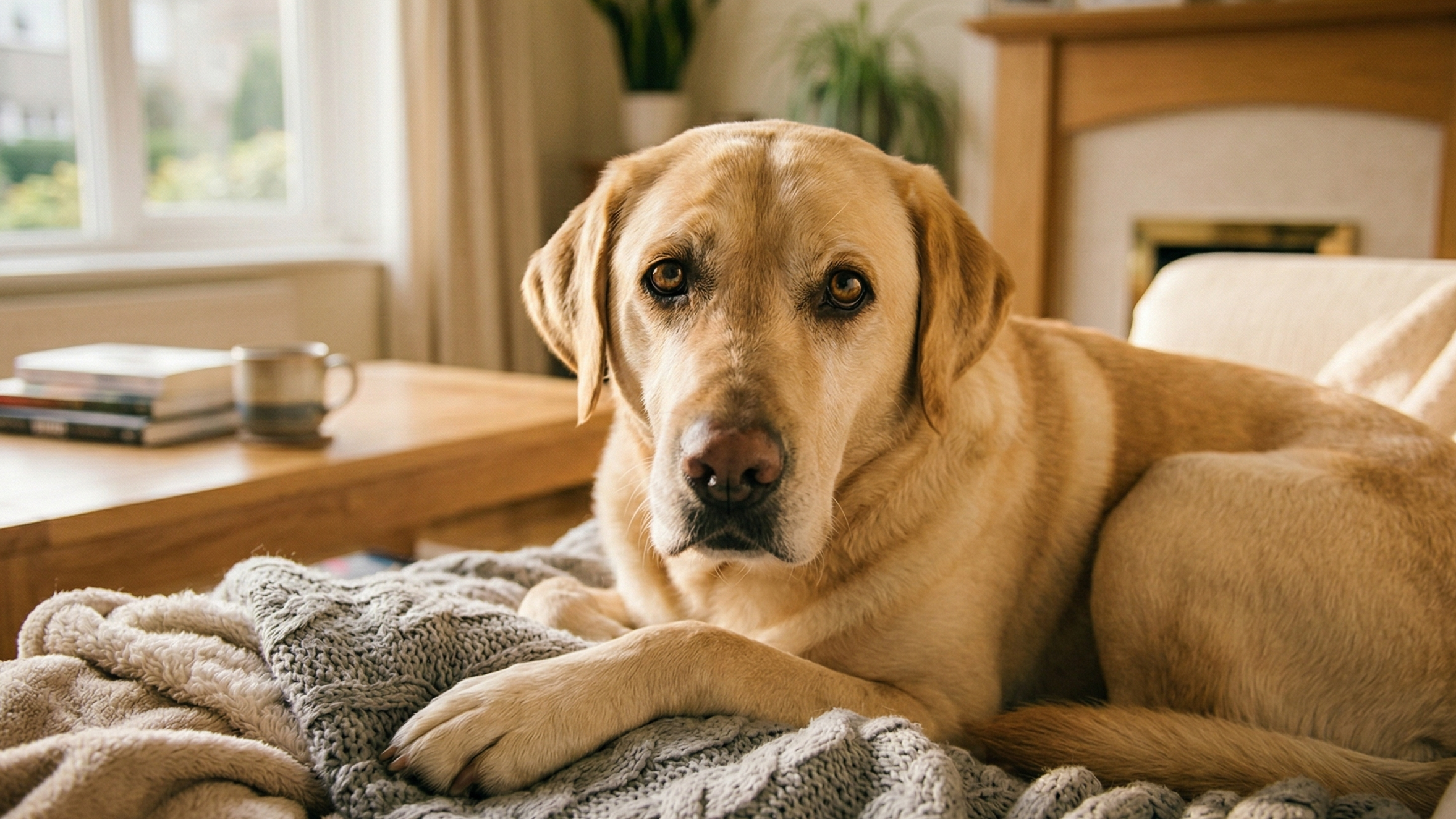
Create a designated area or nook in your home for your dog’s bed, toys, and water bowl to help her stay comfortable and stress-free. With less room to devote to your dog’s “belongings,” multi-functional furniture that doubles as storage can be great space savers.
Make sure your living space is well-ventilated in summer and adequately heated in winter to keep your dog comfy throughout the year. Keep in mind that air quality is generally poorer in urban areas than in the country, so you might consider an air purifier.
Minimizing stress is of prime importance to your dog’s overall health. Consider using pheromone diffusers, anxiety wraps, or calming supplements if your dog shows signs of anxiety in the new environment. Remember to always work with your vet before giving your dog any new supplements.
A regular routine is important. Try to maintain consistency with mealtimes, playtimes and walks. This can help reduce stress and make your dog feel more secure in his surroundings. If you need to change the routine, do it incrementally. Introduce new elements slowly, giving her plenty of time to adjust.
Key #5: Diet
A species-appropriate diet is essential to your dog’s health and well-being, no matter where you live. Choose a high quality, premium food or a homemade diet made from nutritious, natural ingredients.
However, if you’re not already feeding your dog a healthy diet, don’t try to change her food right after you’ve moved. This will only increase her stress levels and worsen potential digestive upsets. Give your dog time to adapt to her smaller living space before making a gradual switch to better quality fare.
If she isn’t getting as much physical activity as she was at your old home, monitor portion size and adjust accordingly to prevent obesity. And always ensure your dog has free access to plenty of fresh drinking water. This is especially important in urban environments where she might be exposed to higher levels of pollution and heat during the summer.
Overall, knowing how to adapt your dog to urban living and smaller spaces requires a holistic approach that involves a range of considerations. Focusing on exercise, diet, mental stimulation, socialization and stress relief will help ensure she remains happy and healthy as she adjusts to her brand new environment.
Acclimatizing your dog to urban living
People often rehome their dogs because they don’t take the time to acclimatize them to new surroundings. We can’t always control life’s changes, but we can control how our dogs react to them.
You can usually resolve any “bad” behaviors that result from moving to a smaller space by adjusting your dog’s expectations. Dogs excel at learning new things and are highly adaptive. With careful planning and mindful, consistent execution, you can re-train your dog to adapt to smaller living spaces.