

Every furry friend deserves a long, healthy life filled with joy and adventure. One crucial aspect of ensuring this happiness involves maintaining kidney health, as these vital organs play a significant role in keeping your dog thriving. Here’s how to actively support your dog’s renal function from the comfort of home.
Prioritize Hydration
Water intake serves as the foundation for kidney health. Ensuring your dog stays hydrated is paramount. Fresh, clean water must be accessible at all times. Offer multiple water bowls throughout your home, and consider investing in a pet water fountain. The constant flow encourages more frequent drinking, which can greatly aid kidney function.
Choose Quality Nutrition
A diet rich in high-quality ingredients makes a significant impact on kidney health. Look for dog foods specifically formulated for kidney support. These diets often contain balanced levels of protein, phosphorus, and sodium to minimize the workload on your dog’s kidneys. Additionally, integrate fresh fruits and vegetables like blueberries, carrots, and green beans, which provide essential nutrients and antioxidants.
Regular Veterinary Checkups
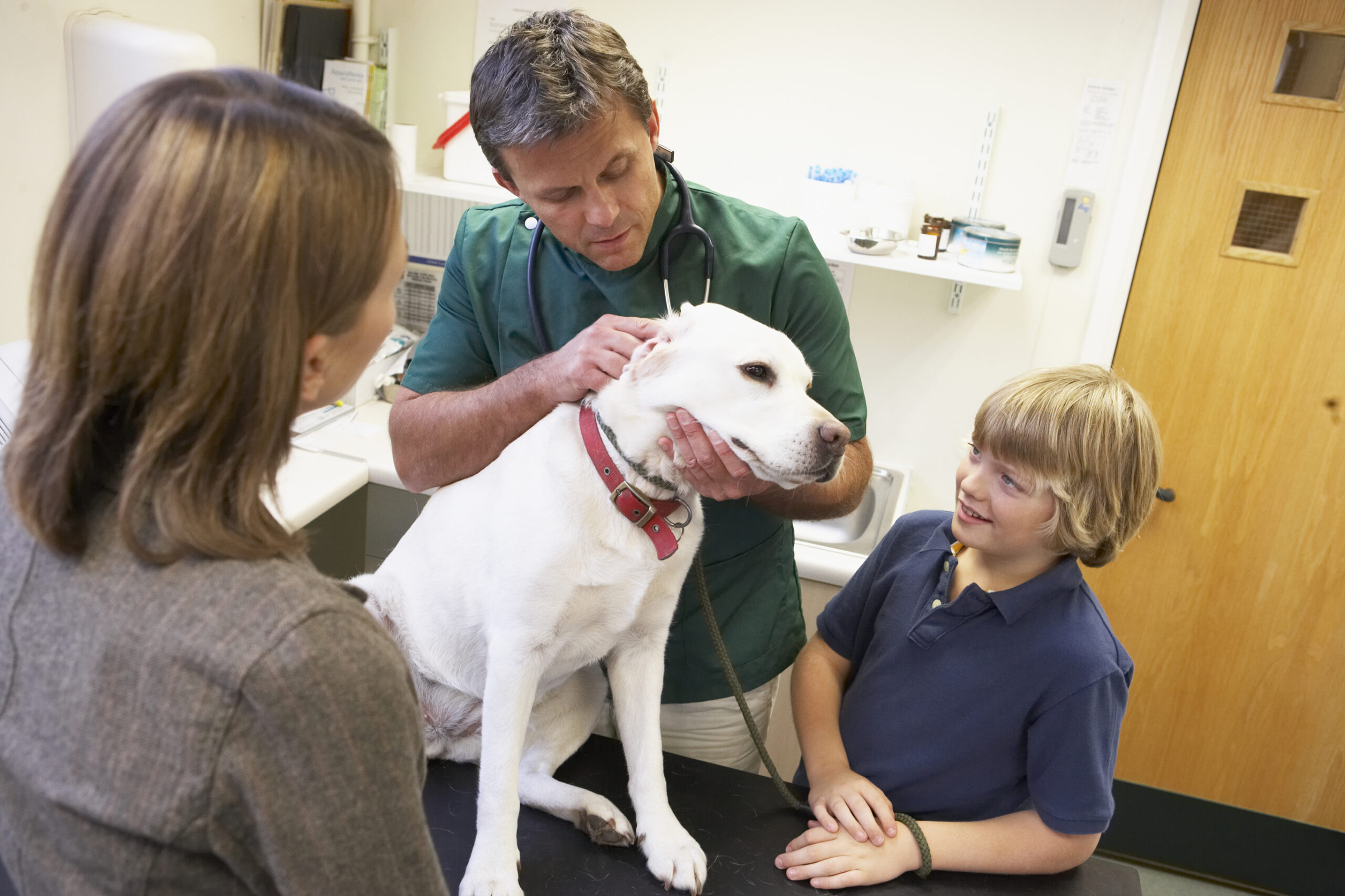
Routine veterinary visits play a crucial role in the prevention and early detection of potential kidney issues. Regular blood work and urinalysis provide insights into your dog’s kidney function. Early intervention leads to better management of any problems, allowing your caring companion to live their best life.
Monitor Weight and Exercise
Obesity increases the risk of kidney disease in dogs. Keeping your furry friend at a healthy weight positively impacts overall health, including kidney function. Incorporate regular exercise into your daily routine. Activities like walks, fetch, or agility training not only help maintain a healthy weight but also encourage overall well-being.
Recognize Signs of Trouble
Being vigilant about changes in behavior or habits can make all the difference. Common symptoms of kidney distress include increased thirst, frequent urination, lethargy, vomiting, and a decrease in appetite. If any of these signs appear, consult your veterinarian immediately. Early detection often leads to effective treatment and improved outcomes.
Emphasize Oral Health
Dental health directly correlates with kidney health. Bacteria from periodontal disease can enter the bloodstream and affect kidney function. Regular dental care through brushing, dental chews, and professional cleanings can dramatically reduce this risk. Incorporating special dental diets or treats designed to clean teeth can also be beneficial.
Foster Emotional Well-being
A happy dog promotes overall health, including the kidneys. Engage in regular playtime, provide mental stimulation with puzzle toys, and maintain a comforting environment. Strengthening the emotional bond between you and your dog can lead to a happier, healthier life for both of you.
Consider Natural Supplements for Kidney Support
Alongside a healthy diet and lifestyle, certain natural supplements can support kidney function and help prevent long-term damage. Supplements such as omega-3 fatty acids (often from fish oil) have anti-inflammatory properties that may protect kidney tissue.
Herbal ingredients like astragalus, dandelion root, and cranberry extract are also commonly used to support urinary tract health and reduce strain on the kidneys. Always consult your veterinarian before starting any supplement, as they can guide you on the right type and dosage based on your dog’s individual needs and health status. When used correctly, these natural additions can play a helpful role in maintaining kidney health.
Keeping your dog’s kidneys healthy requires dedication, awareness, and love. Prioritizing hydration, nutrition, exercise, and regular veterinary care can contribute significantly to your beloved companion’s health. Let this guide inspire committed action towards sustaining a vital aspect of your dog’s well-being.
FAQs
What causes kidney problems in dogs?
Kidney issues in dogs can be caused by aging, infections, genetics, certain medications, poor diet, or exposure to toxins. Chronic kidney disease is more common in older dogs, but early care can make a big difference.
How do I know if my dog’s kidneys are healthy?
The best way to monitor kidney health is through regular veterinary checkups, including blood tests and urinalysis. At home, watch for signs like increased thirst, frequent urination, vomiting, and weight loss.
Can diet really help manage kidney disease?
Yes. Special kidney-support diets are designed to reduce stress on the kidneys by controlling protein, phosphorus, and sodium levels. These foods can help slow the disease’s progress and improve quality of life.
Are natural supplements safe for dogs with kidney concerns?
Some natural supplements, like omega-3 fatty acids and certain herbs, can support kidney health. However, always talk to your vet before starting any supplement to ensure it’s safe for your dog’s specific condition.
How much water should my dog drink daily?
A general guideline is about 1 ounce of water per pound of body weight per day. Dogs with kidney concerns may need more, so always keep fresh water available and encourage frequent drinking.
Final Words
Your dog’s kidneys may be small, but they play a huge role in keeping your furry friend healthy and full of life. With proper hydration, thoughtful nutrition, regular exercise, dental care, and emotional support, you can make a lasting impact on your dog’s well-being. Early detection through vet checkups and mindful observation at home can help catch problems before they become serious. By taking these small but powerful steps, you give your beloved companion the best chance for a long, happy life with strong kidney health. Because every tail wag and playful bark is worth it.