
In veterinary medicine, the management of lower back pain, particularly due to radiculopathy, has seen significant advancements. This condition, characterized by the involvement of a spinal nerve, can result in debilitating pain and discomfort for our canine companions. Recently, a study explored a promising technique borrowed from human medicine: pulsed radiofrequency (PRF) therapy.
Understanding Pulsed Radiofrequency Therapy
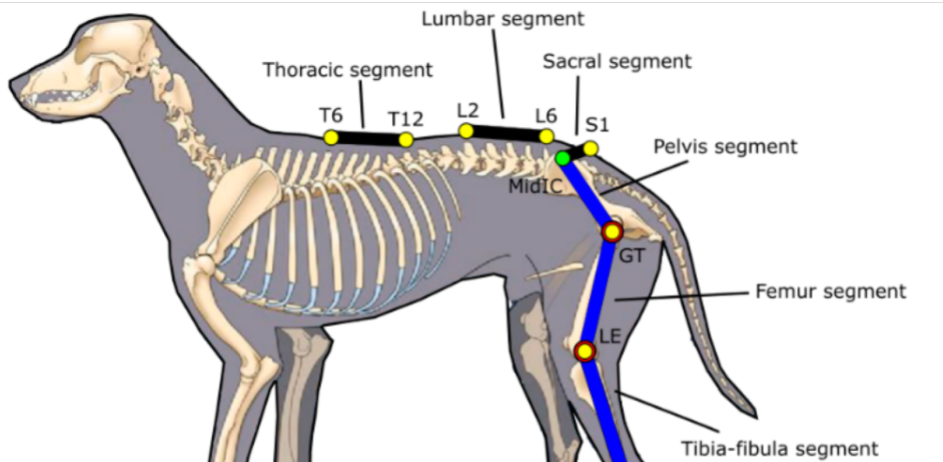
PRF aims to alleviate pain by delivering controlled electrical bursts to the dorsal root ganglion (DRG) of the affected nerve, effectively “resetting” the nerve’s pain pathways. In dogs, radicular pain linked to the seventh spinal nerve is a crucial indicator of lumbosacral pain. However, a significant challenge has been the lack of established procedures for accurately positioning a PRF electrode near the DRG.
Innovative Electrode Placement Techniques
To address this challenge, researchers conducted a study using canine cadavers to investigate a combined ultrasound and fluoroscopy approach for electrode placement. This innovative method allows for precise positioning of the PRF electrode, which is essential for the effective delivery of PRF treatments in living dogs. By employing this dual imaging technique, the researchers were able to mark the cannula tip with black Indian ink, facilitating post-procedural examination of tissue slices.
Promising Study Results
The results of the study were promising: the electrode was found to be approximately 2 mm from the DRG, indicating that the technique can reliably guide accurate electrode placement. While the study did not evaluate safety or effectiveness in live animals, these findings provide a solid foundation for future research.
Implications for Veterinary Practice
The implications of this study are profound. If future trials confirm the safety and efficacy of this PRF approach in clinical settings, it could revolutionize the treatment options available for dogs suffering from lumbosacral radicular pain. The ability to deliver targeted PRF treatments could significantly enhance the quality of life for affected dogs, providing relief from pain that often hinders their mobility and overall well-being.
As veterinary professionals, staying abreast of such advancements is crucial. The integration of ultrasound and fluoroscopy into our pain management protocols may open new doors for treating challenging cases of lumbosacral pain in dogs. Further studies should focus on confirming the effectiveness of this method in live patients, paving the way for its adoption in veterinary practices.
In summary, the combination of PRF therapy and advanced imaging techniques holds great promise for managing lumbosacral radicular pain in dogs. This study marks an important step forward, urging us to explore its potential in clinical applications.