Animal abuse remains a pressing concern, significantly impacting the lives of countless dogs and cats. Standing up against animal abuse can make this world a better place for our non-human friends. It’s essential to recognize the signs of abuse and take meaningful steps to help. This guide will empower guardians to identify animal abuse and respond effectively.
Understanding the Signs of Abuse
Recognizing the signs of abuse is crucial. Look for physical indicators such as unexplained bruises, fractures, or signs of neglect like malnourishment and poor hygiene. Behavioral changes may also signal distress: a once sociable companion might become withdrawn or fearful. Knowing these signs can help protect vulnerable animals and initiate necessary actions.
Reporting Abuse: Your Responsibility
Standing against animal abuse should be considered a responsibility. If you suspect abuse, reporting it to local authorities is vital. Contact animal control or humane organizations equipped to investigate and intervene. Provide as much detail as possible about the situation—location, visible injuries, and any relevant background information. This information can significantly aid the investigation and ensure timely intervention.
Engaging the Community
Raising awareness is an effective way to foster a culture of compassion. Share stories, educational resources, and your experiences with friends and family to create conversations surrounding animal welfare. Social media platforms can amplify your message, reaching a broader audience and potentially inspiring others to take action against abuse.
Supporting Local Shelters and Organizations
Connecting with local shelters or humane societies can lead to meaningful contributions toward the fight against animal abuse. Consider volunteering your time, donating supplies, or helping with fundraising efforts. These organizations often serve as frontline responders to abuse cases, and a strong community backing allows them to help even more animals in need.
Educating Future Generations
Teaching children the importance of kindness toward all living beings lays the foundation for a more compassionate future. Organizing school programs or workshops that address animal welfare, emphasizing respectful treatment and understanding of our companions, can be an effective way to instill these values early. This approach can foster a generation committed to combating cruelty and advocating for animal rights.
Advocating for Stronger Laws
Advocacy plays a crucial role in creating a safer environment for animals. Engage with policymakers and support legislation that aims to strengthen animal welfare laws. Participation in local government meetings or joining animal advocacy groups amplifies your voice and can lead to significant changes in how animal abuse is addressed legally.
Animal abuse is intolerable, but together, we can make a difference. Standing against animal abuse involves remaining vigilant and active in our communities, which enables us to contribute to a brighter future for dogs and cats. Every report, every moment spent educating others, and every bit of support for local organizations helps create a protective shield around those who cannot speak for themselves. Let us unite in compassion, transforming the lives of our companions for the better.\
Promoting Responsible Pet Ownership
One of the most effective ways to prevent animal abuse is by encouraging responsible pet ownership. Many cases of neglect stem not from cruelty but from a lack of knowledge. Educating current and future pet owners about the proper care, nutrition, exercise, and medical needs of animals can drastically reduce the risk of unintentional harm.
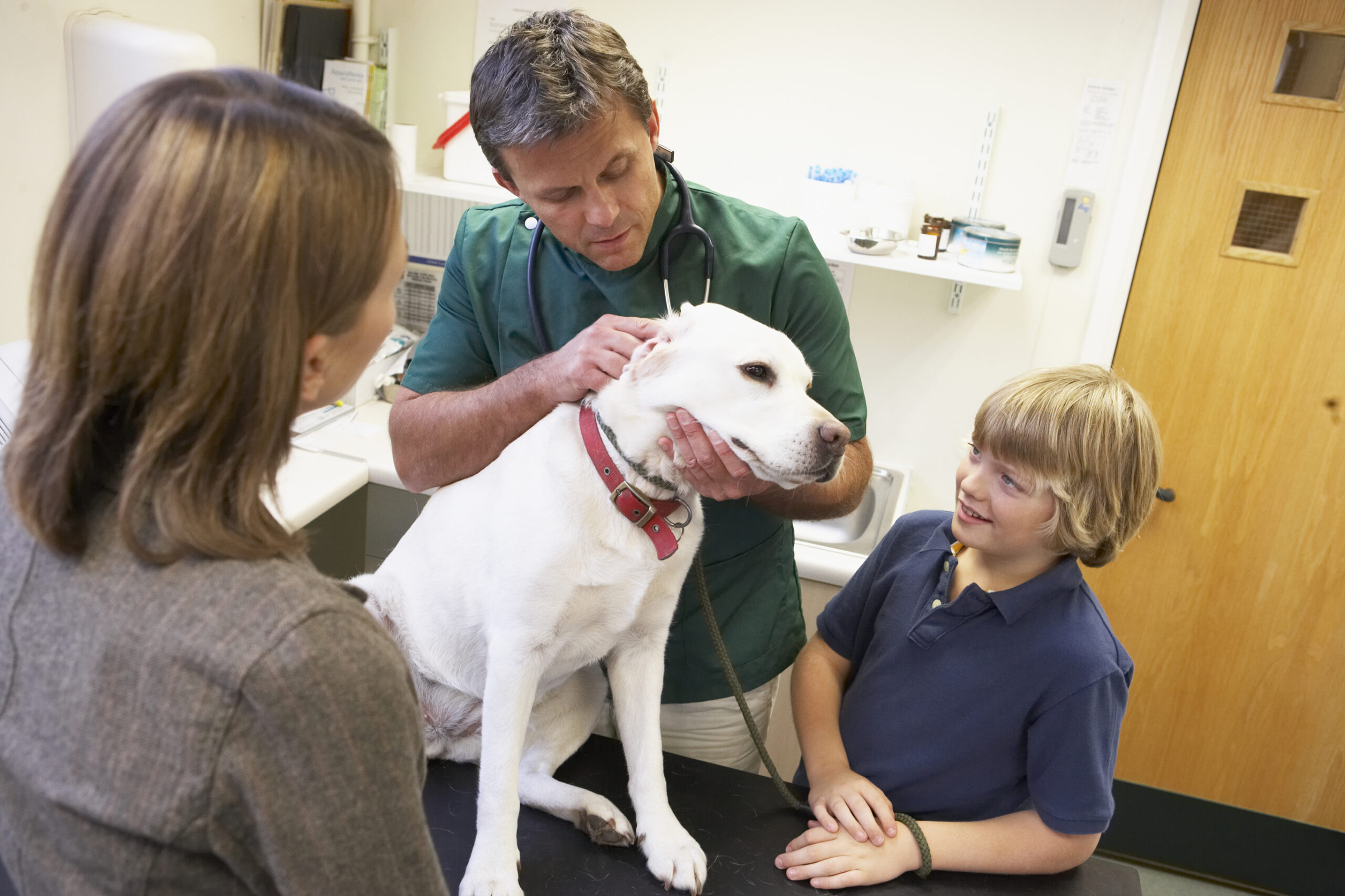
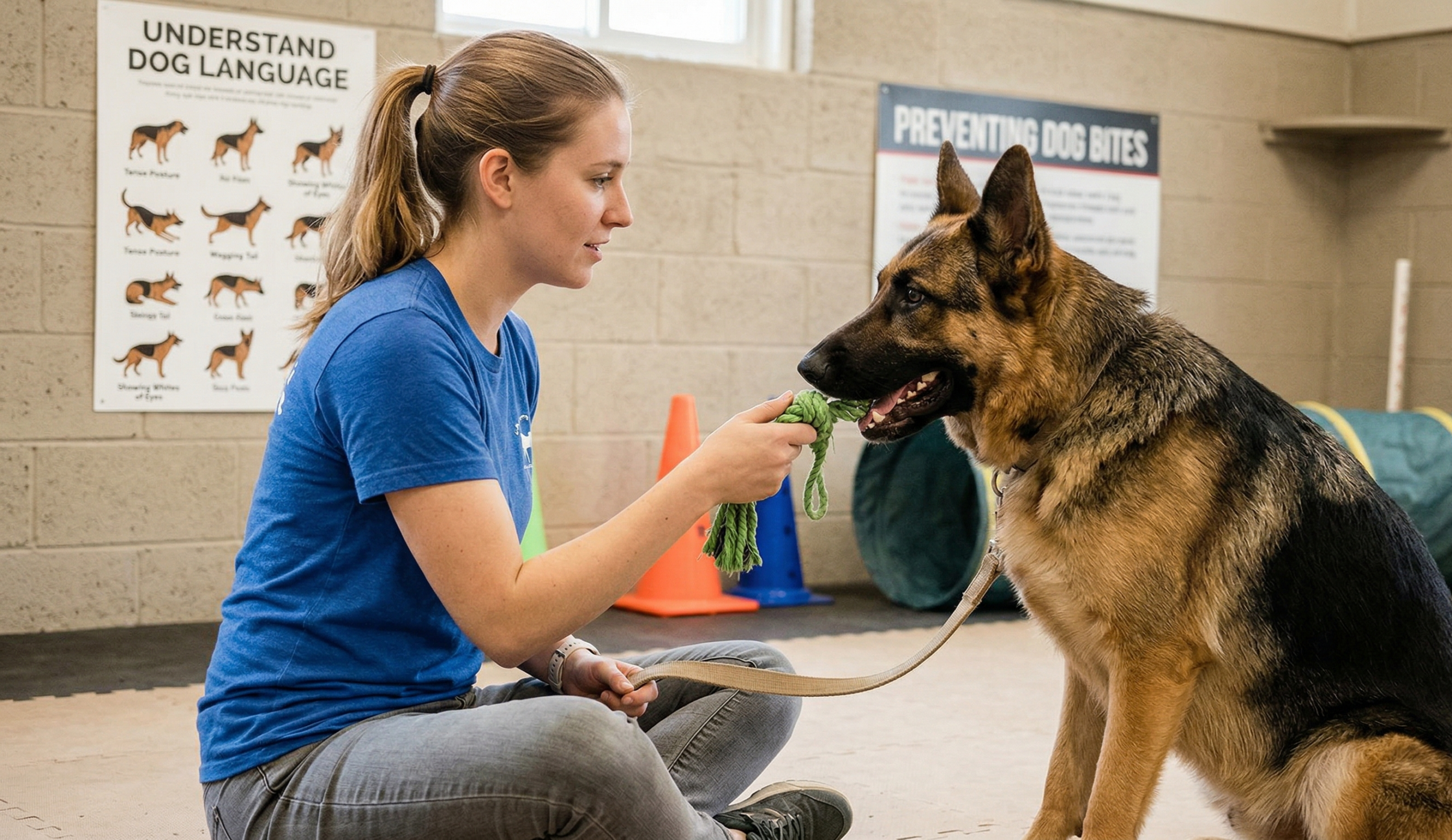
Being a responsible pet guardian includes ensuring regular veterinary checkups, providing proper shelter, and dedicating time to socialization and training. It also involves making informed decisions before adopting—understanding the commitment required and whether one’s lifestyle is suitable for a pet. When more people approach pet ownership with this mindset, we build communities where animals are treated with the love and respect they deserve.
FAQs About Taking Action Against Animal Abuse:
What should I do if I witness animal abuse in public?
If you see an animal being abused, stay safe and do not confront the abuser directly. Instead, take note of important details like the location, time, and description of the person involved. Contact your local animal control agency, humane society, or law enforcement immediately.
How can I help an abused animal if I can’t adopt or foster?
You can still make a difference by supporting local animal shelters through donations, volunteering your time, spreading awareness on social media, or participating in fundraising efforts. Every action counts.
What are the signs that an animal may be suffering from abuse or neglect?
Common signs include visible wounds, untreated injuries, poor body condition, extreme fearfulness, or being left in unsafe environments without food, water, or shelter.
Can children help in preventing animal abuse?
Absolutely. Educating children about empathy and respect for animals plays a vital role in prevention. Encourage them to treat pets gently, speak up if they see mistreatment, and get involved in school or community awareness programs.
Are there any legal protections for animals in abuse cases?
Yes, many regions have laws protecting animals from abuse and neglect. Reporting cases and supporting stronger legislation helps enforce these laws and ensure stricter penalties for violators.
Final Words:
Animal abuse is not just an issue for a few. It’s a shared concern that calls for collective action. Whether it’s recognizing warning signs, reporting abuse, spreading awareness, or simply treating animals with kindness and respect, every effort matters. Change starts with each one of us.
By promoting empathy, educating others, and supporting animal welfare initiatives, we become the voice for those who cannot speak. Our everyday choices and actions can build a safer, more compassionate world where dogs, cats, and all animals live without fear, pain, or neglect.
Let’s stand together, not just in outrage but in action. Protecting animals is not just the right thing to do. It’s a responsibility we all share.