
As a caring companion, understanding the implications of antibiotic resistance in dogs and cats becomes crucial for safeguarding their health. This growing concern not only affects humans but also poses significant risks to our furry friends.
The Threat of Antibiotic Resistance
Antibiotic resistance occurs when bacteria evolve and become immune to medications designed to kill them. For dogs and cats, this means common infections can become harder to treat. Conditions like urinary tract infections, skin infections, and even respiratory diseases may no longer respond to standard antibiotics, leading to prolonged suffering and, in severe cases, death.
The World Health Organization warns that if this trend continues, minor infections could turn into life-threatening illnesses. The rise in antibiotic-resistant bacteria primarily stems from overuse and misuse of antibiotics, often prescribed without thorough examination or appropriate testing.
How Overuse of Antibiotics Happens in Pets
Many pet owners unknowingly contribute to antibiotic resistance by requesting antibiotics for every illness or not completing prescribed courses. In some cases, antibiotics are prescribed for viral or non-bacterial issues, where they offer no benefit. Educating pet parents on when antibiotics are essential can reduce unnecessary use and slow resistance.
The Emotional Toll on Companions
Imagine watching a beloved companion struggle with an infection that no longer responds to treatment. The uncertainty and fear of losing that cherished bond can be overwhelming. Many feel helpless, unsure of how to protect their dogs and cats from an unseen threat.
Awareness and education become vital. Understanding the risks associated with antibiotic resistance can empower caregivers to make informed decisions about their companions’ health.
Recognizing the Signs of Antibiotic Resistance in Pets
Early signs include infections that keep returning, wounds that won’t heal, or illnesses that don’t improve with standard treatments. If your pet’s condition lingers or worsens despite antibiotics, resistance may be at play. Understanding these signs helps caregivers act quickly and seek alternative treatments or further testing.
The Role of Immune Support in Preventing Infections
Strengthening your pet’s immune system is key to preventing infections before they start. Natural supplements like omega-3 fatty acids, vitamin C, and medicinal mushrooms can enhance immune response. A resilient immune system reduces the need for antibiotics and increases the pet’s ability to recover naturally.
Embracing Natural Approaches
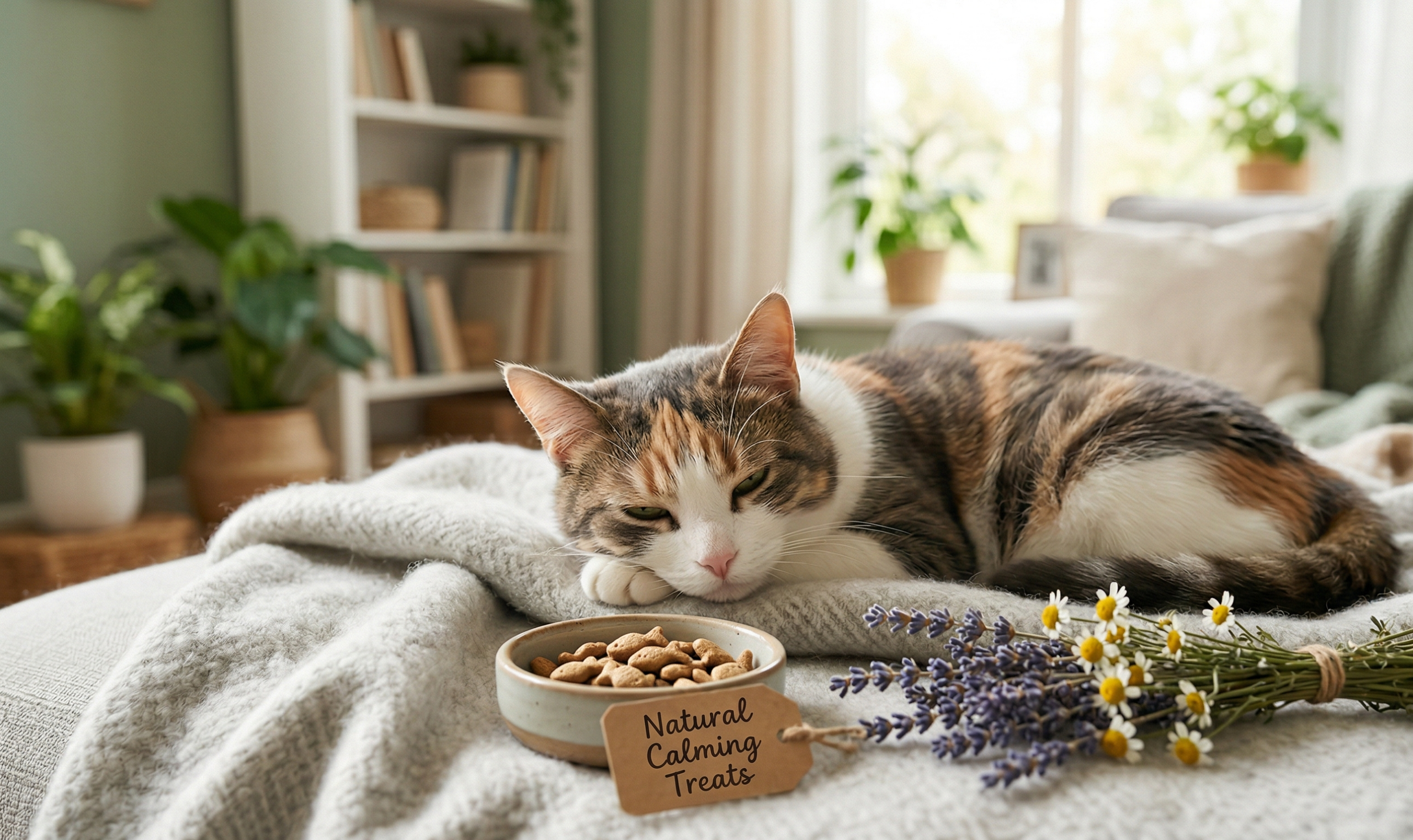
Fortunately, natural alternatives exist to help manage and prevent infections in dogs and cats. Incorporating holistic practices can support the immune system and reduce reliance on antibiotics.
- Probiotics: These beneficial bacteria help maintain a healthy gut microbiome, enhancing immune function and reducing the likelihood of infections.
- Herbal Remedies: Ingredients like turmeric and echinacea possess natural antimicrobial properties. Herbal supplements can provide support during illness and promote overall health.
- Balanced Nutrition: A wholesome, species-appropriate diet enhances immunity, enabling dogs and cats to fight off infections more effectively. Foods rich in antioxidants, vitamins, and minerals bolster their natural defenses.
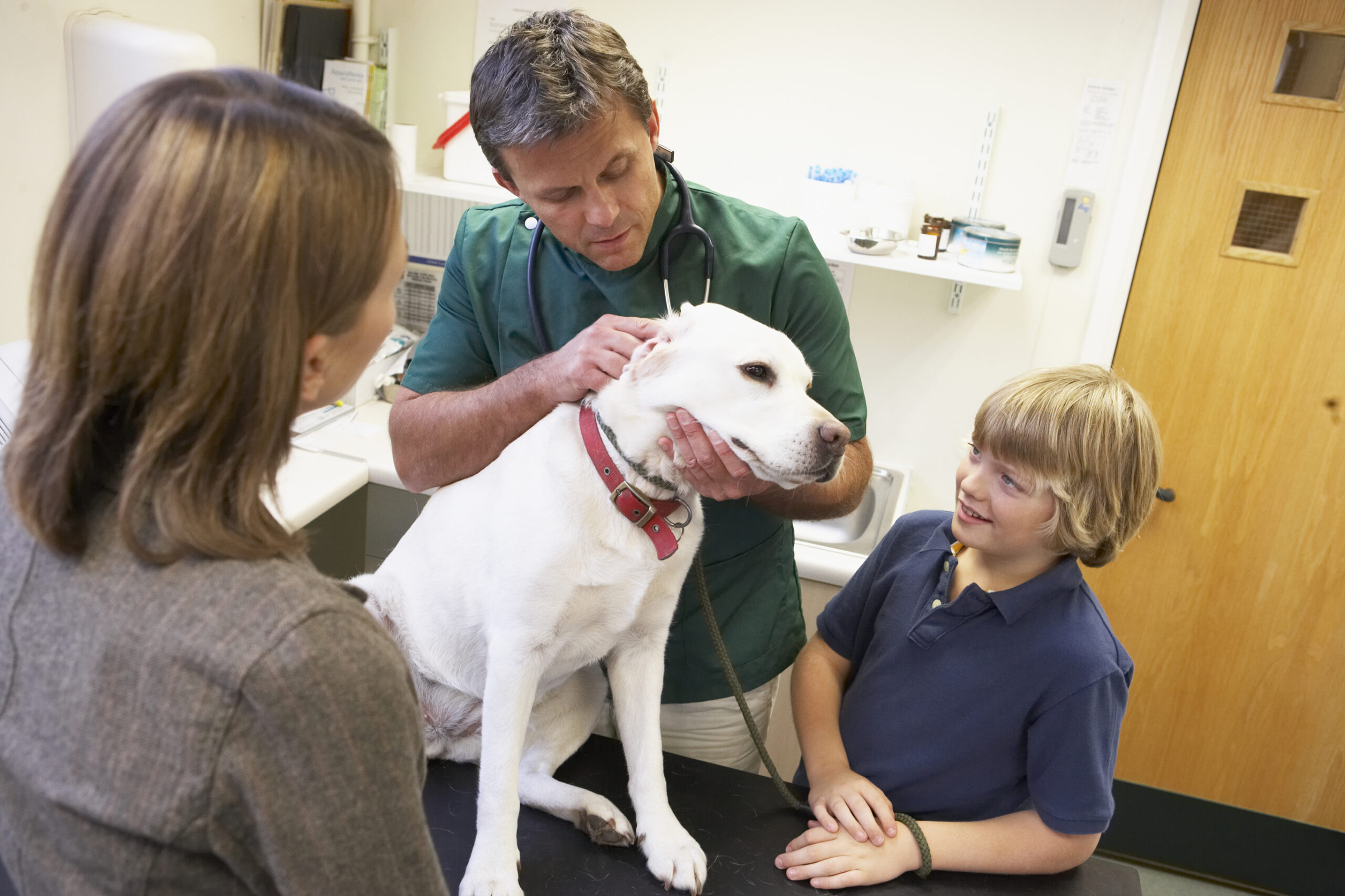
- Regular Vet Check-ups: Routine veterinary visits facilitate early detection of potential health issues before they escalate. This proactive approach helps in minimizing the need for antibiotics.
As responsible caregivers, advocating for responsible antibiotic use is crucial. Discuss treatment options with veterinary professionals and consider natural alternatives whenever feasible. Share knowledge about antibiotic resistance within your community to raise awareness and inspire change.
Antibiotic resistance in dogs and cats presents a significant challenge. Embracing natural approaches and making informed choices are strategies that empower caregivers to combat this threat. Together, let’s ensure a healthier future for our beloved companions.
FAQs:
What causes antibiotic resistance in pets?
Antibiotic resistance happens when bacteria adapt and no longer respond to antibiotics. This often results from overusing or misusing antibiotics, such as giving them when they’re not needed or not completing the whole course.
How do I know if my dog or cat has antibiotic resistance?
Signs include infections that return often, wounds that don’t heal, or illnesses that don’t get better even after antibiotics. If you notice these issues, talk to your vet about further testing.
Are natural remedies safe for all pets?
Many natural remedies are safe when used properly, but they should only be given under the guidance of a vet. Each pet is different, and what works for one might not work for another.
Can probiotics help reduce infections in pets?
Yes. Probiotics support a healthy gut, which plays a significant role in your pet’s immune system. A strong immune system helps prevent infections, reducing the need for antibiotics.
What is the best way to avoid antibiotic resistance in my pet?
Use antibiotics only when prescribed by a vet, follow instructions carefully, and explore natural ways to support your pet’s health. Regular check-ups and a healthy lifestyle are key.
Final Words:
Antibiotic resistance is a serious and growing issue that affects not only people but also our beloved pets. By staying informed, using antibiotics wisely, and supporting your pet’s immune system with natural methods, you can play an essential role in protecting their health. From probiotics to proper nutrition and routine vet visits, every small step counts. Let’s work together to ensure a future where our dogs and cats stay happy, healthy, and free from preventable illness, naturally and responsibly.