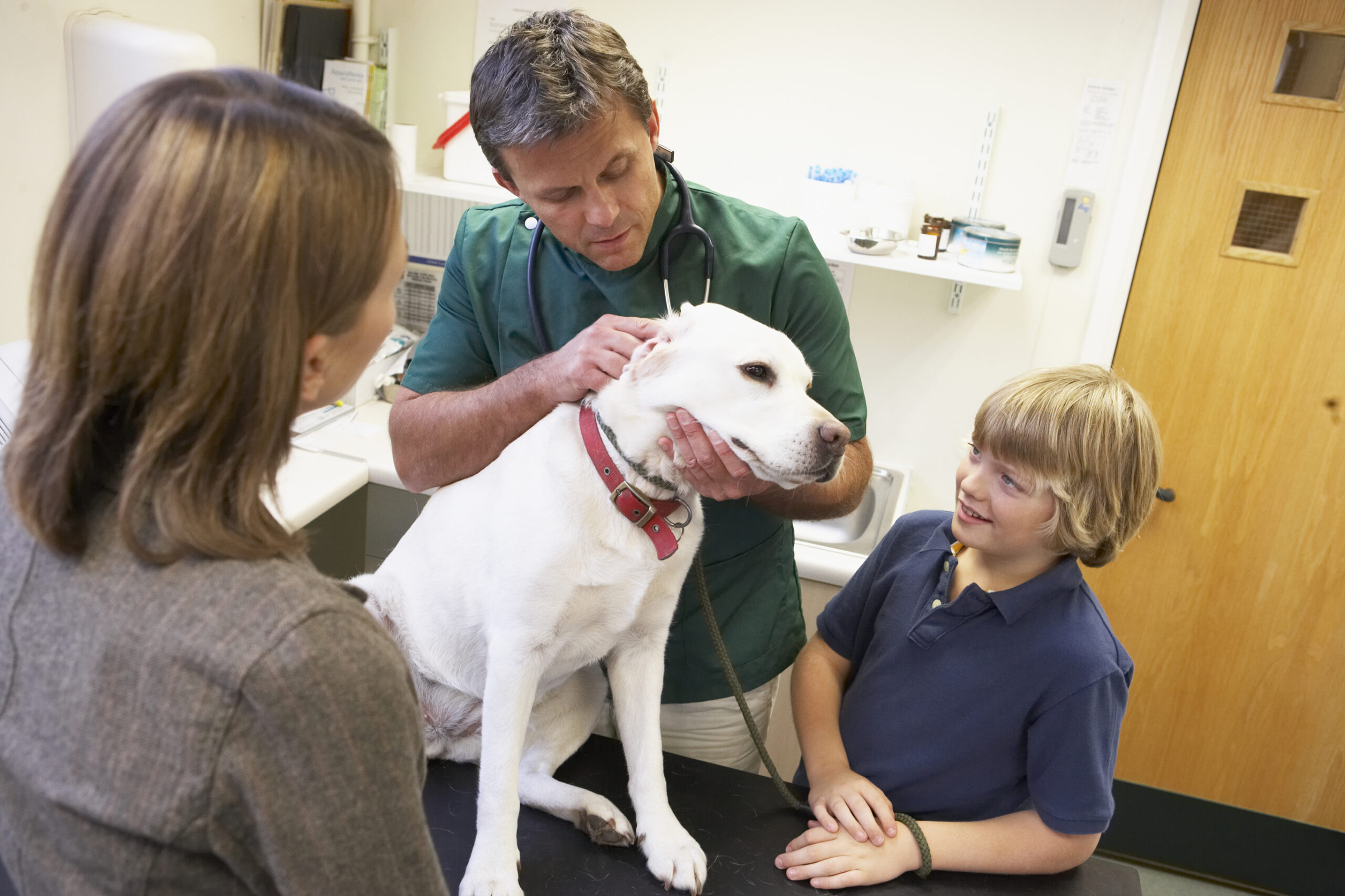


Veterinary visits often trigger anxiety in dogs. Stress behaviors can include panting, trembling, and vocalizing. These reactions complicate examinations and treatments, creating challenges for veterinary professionals. Finding effective ways to reduce stress is crucial for improving the experience for both dogs and their caregivers.
The Study on Aqua-Acupuncture
A recent study published in the American Journal of Traditional Chinese Veterinary Medicine explored the effects of aqua-acupuncture. Researchers recruited 20 dogs with known stress behaviors and divided them into two groups. The Control Group received sham treatment, while the Test Group received aqua-acupuncture using cyanocobalamin (vitamin B12) at specific acupuncture points: GV-20 and bilateral An-shen.
Key Findings and Improvements
The study measured stress through heart rates, salivary cortisol levels, and behavior scores at baseline and after 15 and 30 minutes. Results showed significant behavioral improvements in the Test Group. The aqua-acupuncture group demonstrated a 61% improvement at 15 minutes and a 50% improvement at 30 minutes. In contrast, the Control Group showed only 28% and 23% improvements, respectively.
Implications for Veterinary Practice
While heart rates and cortisol levels did not show significant changes, the behavioral improvements are noteworthy. Aqua-acupuncture may provide an effective method for reducing stress in canine patients during veterinary visits. Integrating this technique into practice can enhance the overall experience for dogs, making examinations smoother and less stressful.
Future Directions in Stress Management
This pilot study opens avenues for further research on aqua-acupuncture and its applications. Future studies should include larger sample sizes and randomized designs to validate these findings about aqua-acupuncture for reducing canine stress. Understanding the full potential of aqua-acupuncture could transform stress management strategies in veterinary clinics, ultimately improving canine health care outcomes.
Less stress leads to greater compliance and better evaluations, making it convenient for everyone involved—pet parents, staff, veterinarians, and, above all, the loyal furballs we all love.