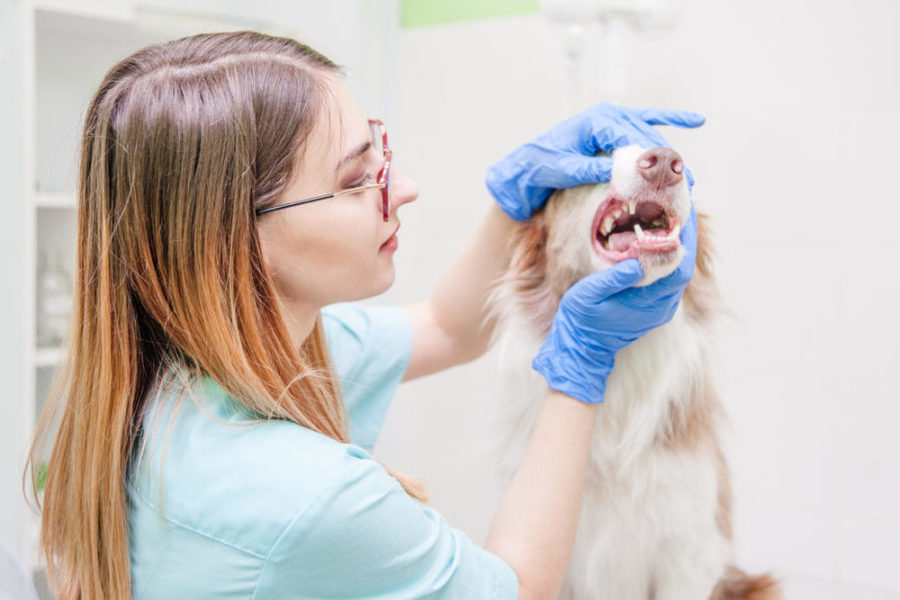
Dental caries, while not as common in dogs as in humans, still affects approximately 5% of the canine population. Labradors are particularly susceptible, though other breeds can also be affected. Often, these caries are discovered incidentally during routine dental examinations or treatments for unrelated oral issues.
Understanding the Potential of Arnebia euchroma Extract
A recent study on Arnebia euchroma (Royle) Johnst. root (AR) extract, a Chinese herbal medicine, has shown promising results in combating dental caries. While the study focused on Streptococcus mutans and rat models, the findings suggest potential applications in veterinary dentistry, particularly for canine patients.
Antibacterial Properties of AR Extract
AR extract demonstrated significant antibacterial activity against S. mutans, a primary cariogenic bacterium. It not only inhibited bacterial growth but also prevented biofilm formation and destroyed existing biofilms. These properties could be particularly beneficial in managing canine dental caries, where biofilm plays a crucial role.
Inhibition of Bacterial Adhesion
The study revealed that AR extract could inhibit S. mutans’ adherence to saliva-coated hydroxyapatite. This finding is significant for canine dental health, as it suggests the extract could potentially reduce bacterial colonization on tooth surfaces.
In Vivo Efficacy and Safety
In a rat caries model, AR extract significantly reduced the incidence and severity of caries lesions on both smooth surfaces and in pits and fissures. Importantly, the extract showed excellent biosafety. These results are encouraging for potential veterinary applications, though further studies specific to canine models are necessary.
Prevention Protocols for Canine Dental Caries
Prevention of dental caries in dogs should focus on regular dental care, including brushing with dog-specific toothpaste, providing dental chews, and incorporating a balanced diet. Regular veterinary dental check-ups are crucial for early detection and prevention of caries.
Integrative Treatment Options
Conventional Approaches
Conventional treatment for canine dental caries typically involves professional dental cleaning, filling of cavities, and, in severe cases, extraction of affected teeth. Antibiotics may be prescribed to manage associated infections.
Complementary and Alternative Approaches
Integrating complementary approaches with conventional treatments may enhance overall dental health in dogs. These could include:
- Herbal rinses: Incorporating AR extract or other herbal antibacterial agents in dental rinses.
- Probiotics: Oral probiotics to promote beneficial bacteria and reduce harmful ones.
- Dietary supplements: Calcium and vitamin D supplements to support tooth strength.
- Acupuncture: To manage pain and promote healing in dental tissues.
- Homeopathy: Remedies like Calcarea carbonica or Silicea for dental health support.
Future Research Directions
While the AR extract study shows promise, further research is needed to determine its efficacy and safety specifically in dogs. Veterinary clinical trials should be conducted to assess dosage, administration methods, and long-term effects of AR extract in canine patients.
Conclusion
The potential of AR extract in managing dental caries opens up new possibilities in veterinary dentistry. By combining conventional treatments with complementary and alternative approaches, veterinarians can provide a more comprehensive care plan for canine dental health. As we continue to explore these integrative options, regular dental check-ups and preventive care remain crucial in maintaining optimal oral health in our canine patients.