Chronic liver disease (CLD) affects many of our canine patients, and while we understand the importance of nutritional support, research on specific vitamin deficiencies has been limited. A recent case-control study has provided valuable new insights into B vitamin status in dogs with CLD, particularly focusing on vitamins B2, B3, and B5.
Study Overview
Researchers analyzed serum samples from 66 dogs with confirmed chronic liver disease and compared them to 50 healthy control dogs. The CLD diagnosis required persistent elevation of liver enzymes for more than two months, along with ultrasound evidence of liver disease. Using advanced testing methods, they measured three important B vitamins that play key roles in liver function.
Key Findings
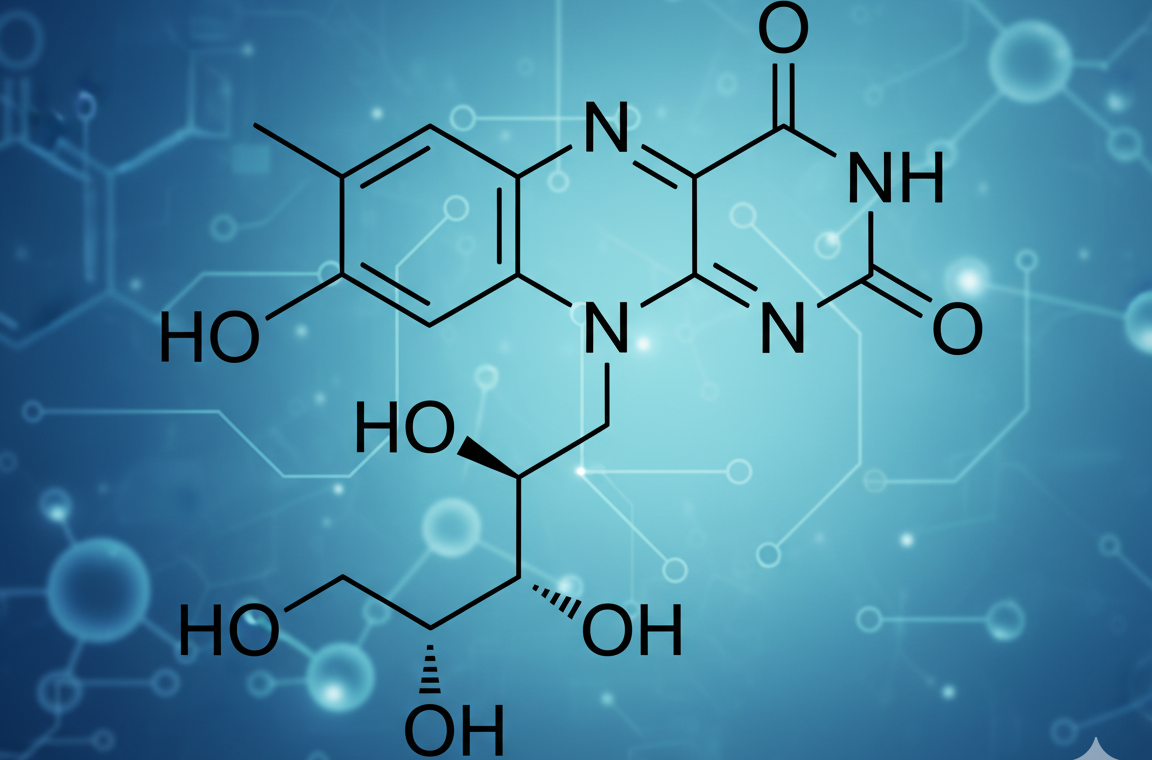
The results revealed some surprising patterns. Dogs with chronic liver disease showed significantly lower levels of vitamin B2 (riboflavin) compared to healthy dogs – nearly half the concentration (48.4 vs. 85.5 ng/mL). This finding suggests that riboflavin deficiency may be an important concern in our CLD patients.
Interestingly, vitamin B3 (niacin) levels remained normal, showing no significant difference between sick and healthy dogs. Even more surprising, vitamin B5 (pantothenic acid) levels were actually higher in dogs with liver disease compared to controls.
Clinical Implications
These findings have several important implications for practice. The reduced B2 levels likely reflect problems with how the damaged liver processes or absorbs this crucial vitamin. Riboflavin plays essential roles in energy production and metabolism, making this deficiency potentially significant for patient health and recovery.
The normal B3 levels and elevated B5 levels suggest that the liver may use alternative pathways to maintain these vitamins, or that the disease process affects different vitamins in different ways.
Moving Forward
This research represents the first comprehensive study of these B vitamins in canine chronic liver disease. While we don’t yet have specific supplementation guidelines, these findings highlight the potential importance of riboflavin status in our CLD patients.
As always, nutritional management of chronic liver disease should be individualized based on each patient’s specific needs and disease stage. This research provides valuable groundwork for future studies that may help us develop better nutritional support protocols for dogs with liver disease.