
Horse owners are always looking for natural ways to keep their animals healthy, strong, and happy. While feed, exercise, and regular veterinary care are the foundations of good horse health, many people are also adding herbal supplements to their horse’s diet.
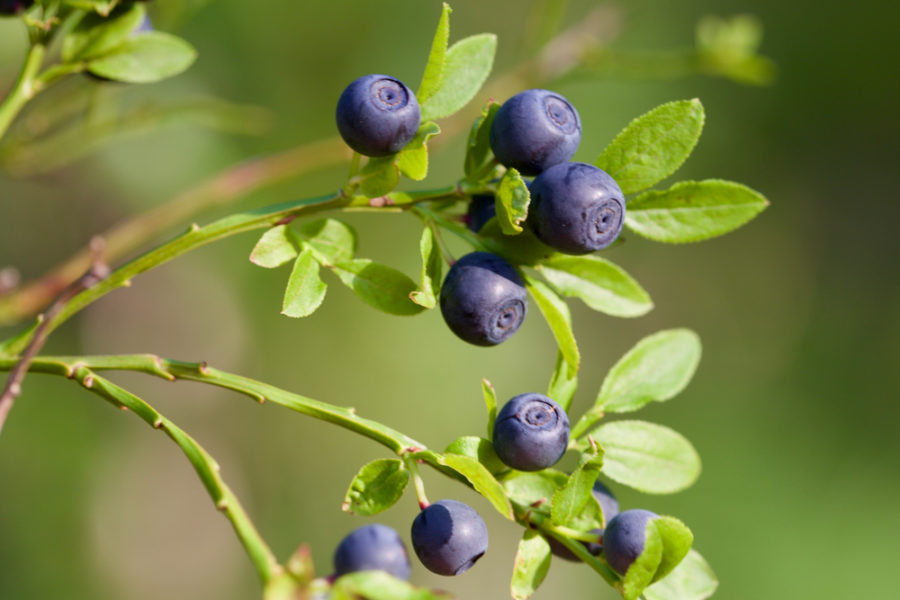
One plant that has gained attention in recent years is the bilberry (Vaccinium myrtillus). Known as a close cousin of the blueberry, bilberry is full of natural antioxidants that may help with eye health, circulation, and immune support.
In this blog, we will explore everything horse owners should know about bilberry—from what it is and how it works, to its benefits, feeding methods, and even how to grow it at home.
What Is Bilberry?
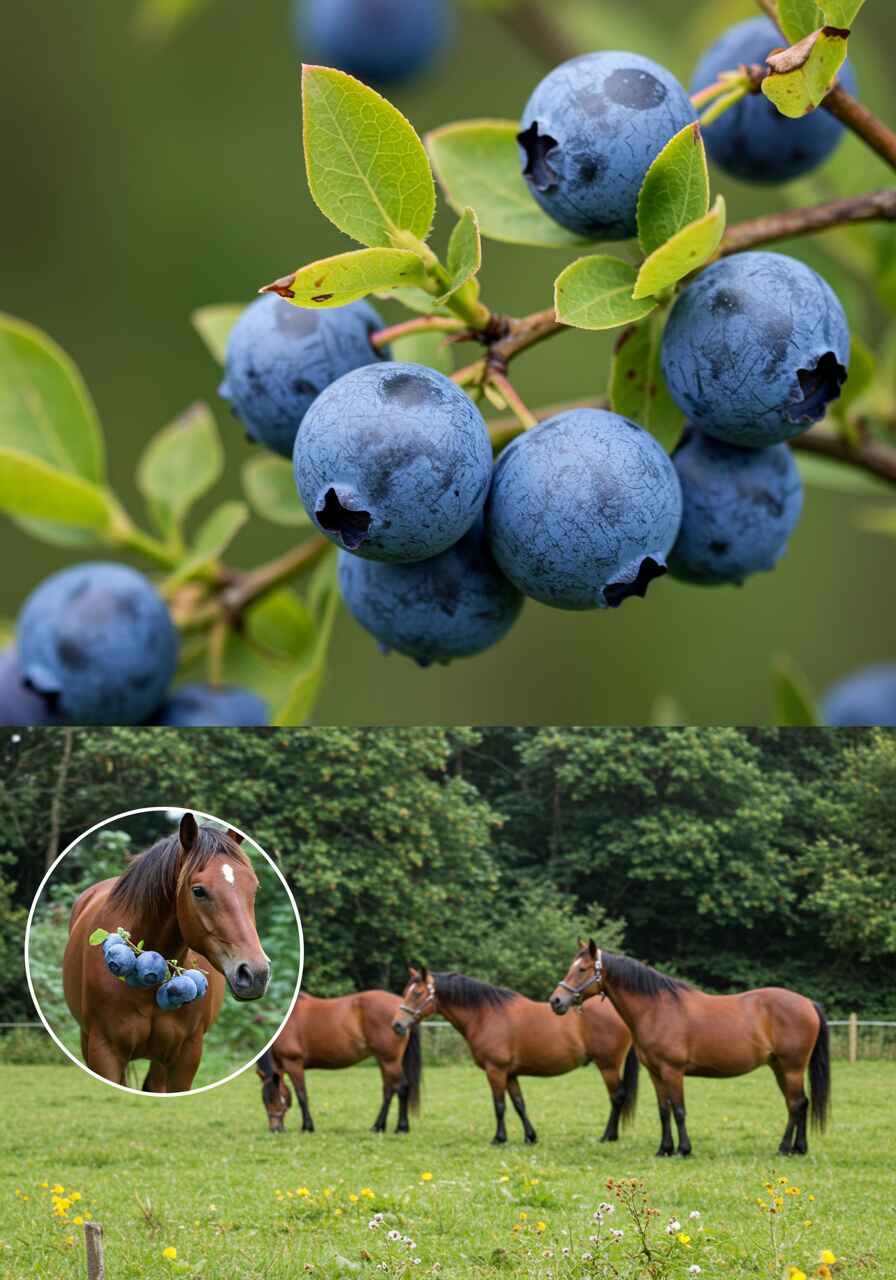
The bilberry (yaban mersini) is a hardy, small shrub that grows mainly in Northern Europe but can also thrive in parts of North America. It is closely related to the blueberry and produces small, dark purple berries that are rich in nutrients.
Both the berries and the leaves of the bilberry plant are useful. They have long been used in traditional medicine for people and are now gaining attention in the world of equine care. According to the American Botanical Council, bilberry has a long history of use in Europe as a natural source of antioxidants.
Bilberries are especially valued because they contain:
- Anthocyanosides – compounds that strengthen blood vessels, improve circulation, and help the eyes adjust between light and dark.
- Vitamin C – a strong antioxidant that reduces inflammation and supports collagen production for healthy soft tissues and blood vessels.
- Vitamin A – another antioxidant that supports vision, immune function, and tissue repair.
These powerful nutrients make bilberry a natural choice for horse owners who want to add extra antioxidant support to their horse’s diet.
Why Bilberry Matters for Horses
Horses are incredible athletes and companions, but their bodies face unique health challenges. One of the biggest issues is oxidative stress. This happens when the body produces too many “free radicals,” which can damage cells and tissues over time.
Research on antioxidants and bilberry extracts shows their role in reducing oxidative damage in tissues. Horses are especially prone to oxidative stress in:
- The eyes – the equine retina is very sensitive to light and environmental stress.
- The immune system – aging and heavy exercise can reduce immune strength.
- The hooves – poor circulation can play a role in conditions like laminitis.
Because bilberry is rich in antioxidants, it may help neutralize these free radicals, reducing stress on the horse’s body. This is why bilberry is now included in many equine supplements for eye health, circulation, and overall wellness.
Key Benefits of Bilberry for Horses
Bilberry has several potential benefits for horses. While more research is needed in equine science, many of these uses are supported by traditional knowledge and by human studies.
1. Eye and Vision Support
Bilberry is best known for supporting eye health. Its compounds improve blood flow to the eye and help protect the retina from damage. Horses that are prone to uveitis, squamous cell carcinoma, or general vision issues may benefit from bilberry as part of a supplement plan. The American Association of Equine Practitioners (AAEP) emphasizes how sensitive equine eyes are to oxidative stress, which supports the use of antioxidant-rich plants like bilberry.
2. Antioxidant Protection
Because horses produce free radicals during exercise and normal metabolism, antioxidants are critical. Bilberry provides anthocyanins, vitamin C, and vitamin A, which together help fight oxidative stress and lower inflammation in the body.
3. Circulation and Blood Vessel Strength
Healthy blood flow is key for both performance horses and older horses. Bilberry compounds strengthen blood vessels and improve circulation, which may support recovery after work and overall tissue health.
4. Hoof and Laminitis Support
Laminitis, a painful condition of the hooves, is often linked to poor circulation and inflammation. Bilberry may provide supportive benefits by helping improve microcirculation and reducing oxidative stress in hoof tissues.
5. General Immune and Aging Support
As horses get older, their bodies face more stress and slower repair. The vitamin C and A in bilberry may help boost immune defenses, support collagen production, and keep tissues healthier for longer.
How to Feed Bilberry to Horses
There are several ways horse owners can add bilberry to their horse’s diet. Some of the most common include:
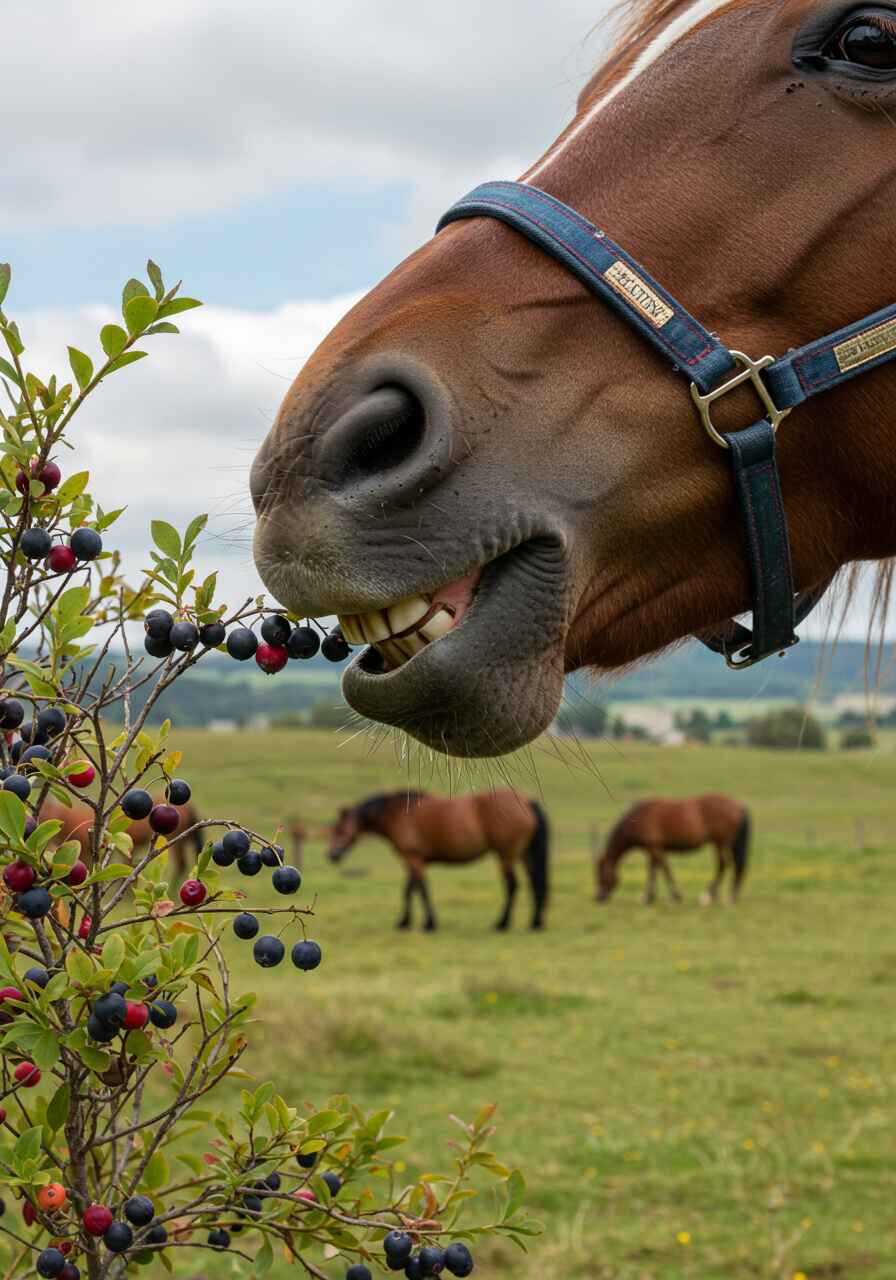
- Fresh berries – When available, fresh bilberries can be offered in small amounts.
- Dried berries and leaves – These can be sprinkled (top-dressed) onto feed.
- Bilberry tea – Dried leaves and berries can be brewed into a tea, then mixed with feed.
- Powdered or capsule supplements – Many equine supplement companies include bilberry in blends designed for eye or circulation support.
Tip: Always start with small amounts and follow feeding guidelines from supplement manufacturers. Horses may need different doses depending on size, age, and health.
For more guidance on safe feeding practices, see the National Center for Complementary and Integrative Health (NCCIH).
Home Growing: Can You Grow Bilberry for Horses?
Yes, you can grow bilberry at home in the right conditions. Here’s what you need to know:
- Soil – Bilberries prefer well-drained, acidic soil.
- Watering – Only water when the soil is dry; they do not like soggy roots.
- Light – In cold climates, plant in full sun. In hot areas, give them shade.
- Pruning – Best pruned after harvest.
- Harvesting – Berries ripen in late summer. They only ripen on the bush, so don’t pick early.
Bilberries are not only useful for horses—they are also tasty for humans. They can be eaten fresh, brewed into tea, or made into jams (bilberry jam is especially popular in Europe and tastes similar to huckleberry).
Safety and Considerations
Bilberry is generally considered safe for horses when given in moderate amounts as a supplement. However, there are some important points to keep in mind:
- Horses on medications for blood circulation or metabolic conditions should only receive bilberry under veterinary guidance.
- While bilberry supports health, it is not a replacement for veterinary treatment.
- Always introduce new herbs slowly and monitor your horse’s response.
- Consult with your vet before starting any herbal supplement, especially if your horse has existing health conditions.
FAQs About Bilberry for Horses
Can horses eat bilberries like people do?
Yes, small amounts of fresh bilberries are safe, but most horse owners use dried berries, leaves, or supplements.
Is bilberry good for older horses?
Yes, because older horses face more oxidative stress, bilberry may support their eyes, circulation, and immune system.
Can bilberry help with laminitis?
Bilberry is not a cure, but it may support circulation and antioxidant protection, which are important for hoof health.
How long does it take to see results?
Herbal support works slowly. Some horse owners notice changes in eye brightness, energy, or coat health over a few months of consistent use.
Can I grow bilberry in my backyard for my horses?
Yes, if you have acidic soil and the right climate. They need careful watering, pruning, and proper harvest timing.
Conclusion
Bilberry (Vaccinium myrtillus) is more than just a tasty berry, it’s a natural herb with real potential for supporting horse health. From eye care and circulation to immune and hoof support, bilberry provides antioxidants and vitamins that may help horses handle oxidative stress and stay healthier over time.
Whether you add it through supplements, dried berries, or even by growing your own shrub, bilberry can be a useful addition to a horse’s wellness plan.
As always, remember that herbs work best when combined with a balanced diet, regular exercise, and proper veterinary care. Bilberry is not a cure, but it may be a helpful ally in keeping your horse strong, comfortable, and thriving.
Want to dive deeper into equine health and nutrition? Check out our online horse courses at Animal Wellness Academy and learn how natural approaches, like bilberry, can support your horse’s long-term wellness.