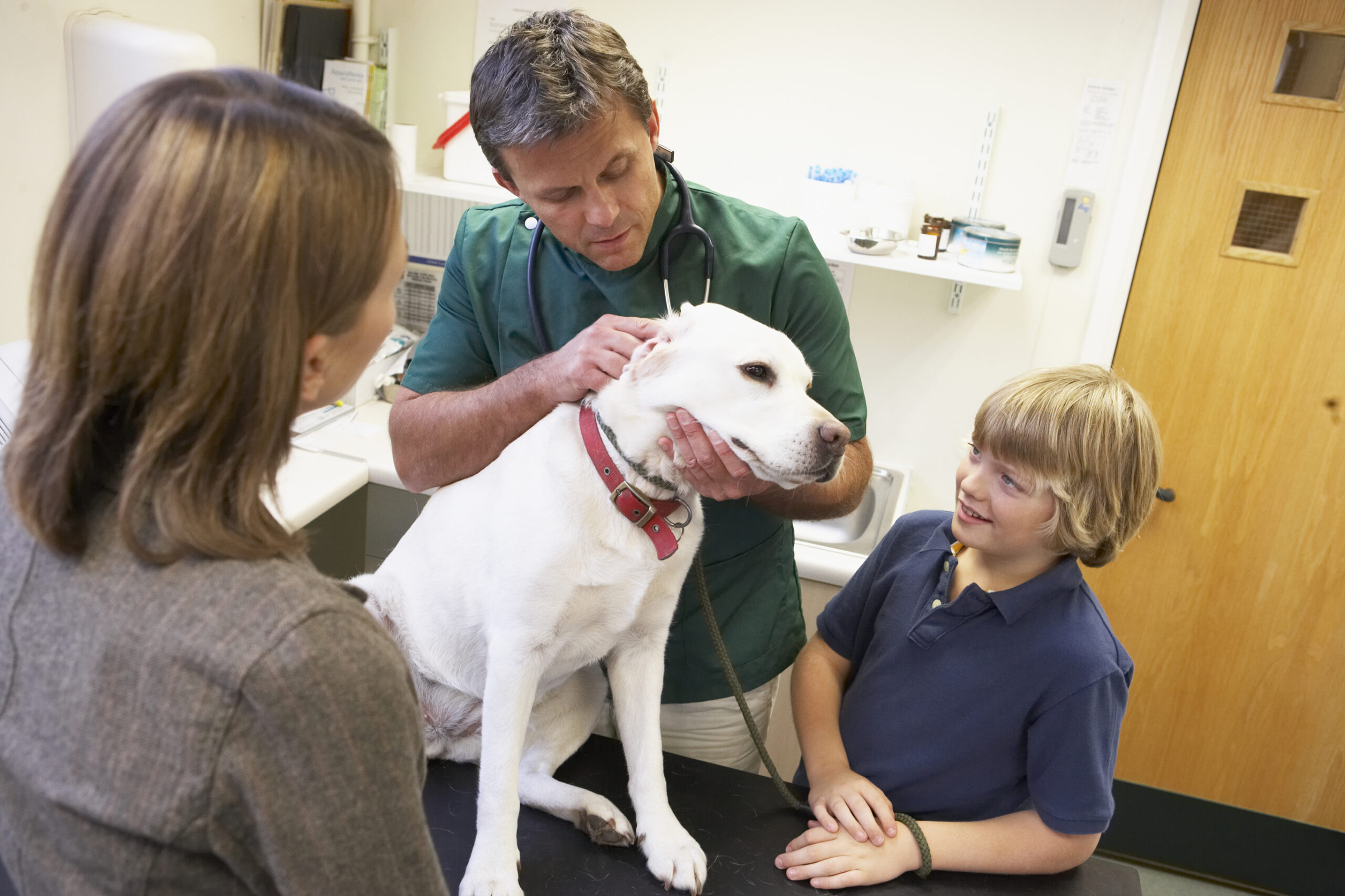


Veterinarians play a vital role in maintaining the health of beloved companions. They provide essential care, but some health issues require specialized knowledge. Board-certified veterinary specialists offer advanced expertise that general practitioners may not possess. These specialists work closely with primary care veterinarians, ensuring each animal receives tailored diagnostics and treatment options.
What is Board Certification
All practicing veterinarians start by earning a Doctor of Veterinary Medicine (DVM) degree and passing a national licensing exam. Board certification signifies extensive training and education in specific areas, such as cardiology or neurology. A board certified veterinary specialist completes rigorous internships and residencies to gain in-depth knowledge in a specific area of veterinary sciences. This commitment to education ensures they can handle complex medical conditions effectively.
Knowing When to Consult a Specialist
Recognizing when to seek specialized care is vital. General veterinarians can address many common health concerns, but some situations require additional expertise. Specialists such as neurologists or cardiologists have advanced knowledge about specific areas and complicated conditions, similar to how human medicine works. A conversation with a primary care veterinarian can clarify whether a referral is necessary, leading to better outcomes.
Early intervention often makes a significant difference in health outcomes. When facing persistent symptoms or unusual behavior, don’t hesitate to seek help. Timely referrals to board-certified specialists can lead to quicker diagnoses and more effective treatments. Acting swiftly enhances the chances of a positive outcome for your companion. Remember, prioritizing your furry friend’s health today can lead to a longer, happier life together. Your vigilance and proactive care truly matter.
The Costs of Specialized Care
Seeking care from a board-certified specialist often leads to higher costs. These specialists frequently work in teams, providing comprehensive evaluations and advanced treatments. Specialized equipment, such as MRI machines, also contributes to expenses. Understanding these costs upfront allows for informed decisions. Discussing budget constraints with a veterinarian can reveal alternative treatment options without compromising quality.
As veterinary medicine advances, access to specialized care improves. Collaboration between primary care veterinarians and specialists enhances treatment options. Staying informed about health needs and maintaining open communication with veterinarians empowers guardians. This proactive approach ensures companions receive the highest level of care tailored to their specific needs.