Canine allergic dermatitis is one of the most common skin problems seen in dogs — and one of the trickiest to manage. If your dog is constantly scratching, licking, or biting at their skin, you’re not alone. Millions of dogs around the world experience allergic skin reactions each year, triggered by everything from fleas to food to environmental allergens.
But what many dog parents don’t realize is that canine allergic dermatitis (often called atopic dermatitis in dogs or simply dog skin allergies) isn’t just a surface problem. It’s a complex condition that involves your dog’s immune system, gut health, stress levels, and even their nervous system.
This guide breaks down how to understand and manage the condition systematically — from recognizing the signs to building an integrative treatment plan that supports your dog inside and out.
What Is Canine Allergic Dermatitis?
Canine allergic dermatitis is an umbrella term for several allergy-driven skin conditions, including:
- Flea allergy dermatitis (reaction to flea saliva after bites)
- Food allergies (adverse reactions to ingredients like chicken, beef, or grains)
- Environmental allergies (atopic dermatitis in dogs caused by pollen, dust mites, mold, etc.)
At its core, allergic dermatitis means the immune system overreacts to substances it perceives as harmful — even if they’re harmless to most dogs. This reaction causes inflammation, redness, and severe itching, often leading to skin damage, infection, and constant discomfort.
Certain breeds, such as Terriers, Retrievers, Boxers, and French Bulldogs, are more likely to develop allergies. (You can learn more about dog breeds prone to allergies in our detailed guide.)
Why Allergic Dermatitis Is More Than a Skin Problem
While the symptoms show up on the skin, the root cause of canine allergic dermatitis lies deeper. Allergies in dogs often reflect imbalances throughout the body — particularly in the immune system, gut, liver, adrenal glands, and even the brain.
Here’s how these systems connect:
- Gut health: A compromised gut barrier or imbalance of gut bacteria (dysbiosis) can increase allergen absorption.
- Liver function: The liver filters out toxins and allergens; if it’s overloaded, inflammation increases.
- Adrenal and stress response: Chronic stress weakens the immune system and worsens itching.
- Nervous system: Neurotransmitters and hormones influence inflammation and itch perception.
That’s why treating only the skin with creams or sprays isn’t enough. Effective management requires supporting your dog’s whole body — inside and out.
Recognizing the Signs of Dog Skin Allergies
Every dog is unique, but common signs of dog skin allergies include:
- Persistent itching or chewing (especially on paws, belly, or ears)
- Red, inflamed, or scaly skin
- Hair loss or bald spots from scratching
- Dark, thickened patches of skin (chronic irritation)
- Ear infections or head shaking
- Foul odor or greasy coat from secondary yeast or bacterial infections
Many dogs also show seasonal patterns — worsening in spring or summer when pollen and fleas are more active. Others may have year-round symptoms, especially if food allergies are involved.
If your dog has recently undergone post-surgery skin care and healing challenges, their skin barrier may already be more sensitive to allergens.
Step-by-Step Guide to Managing Canine Allergic Dermatitis
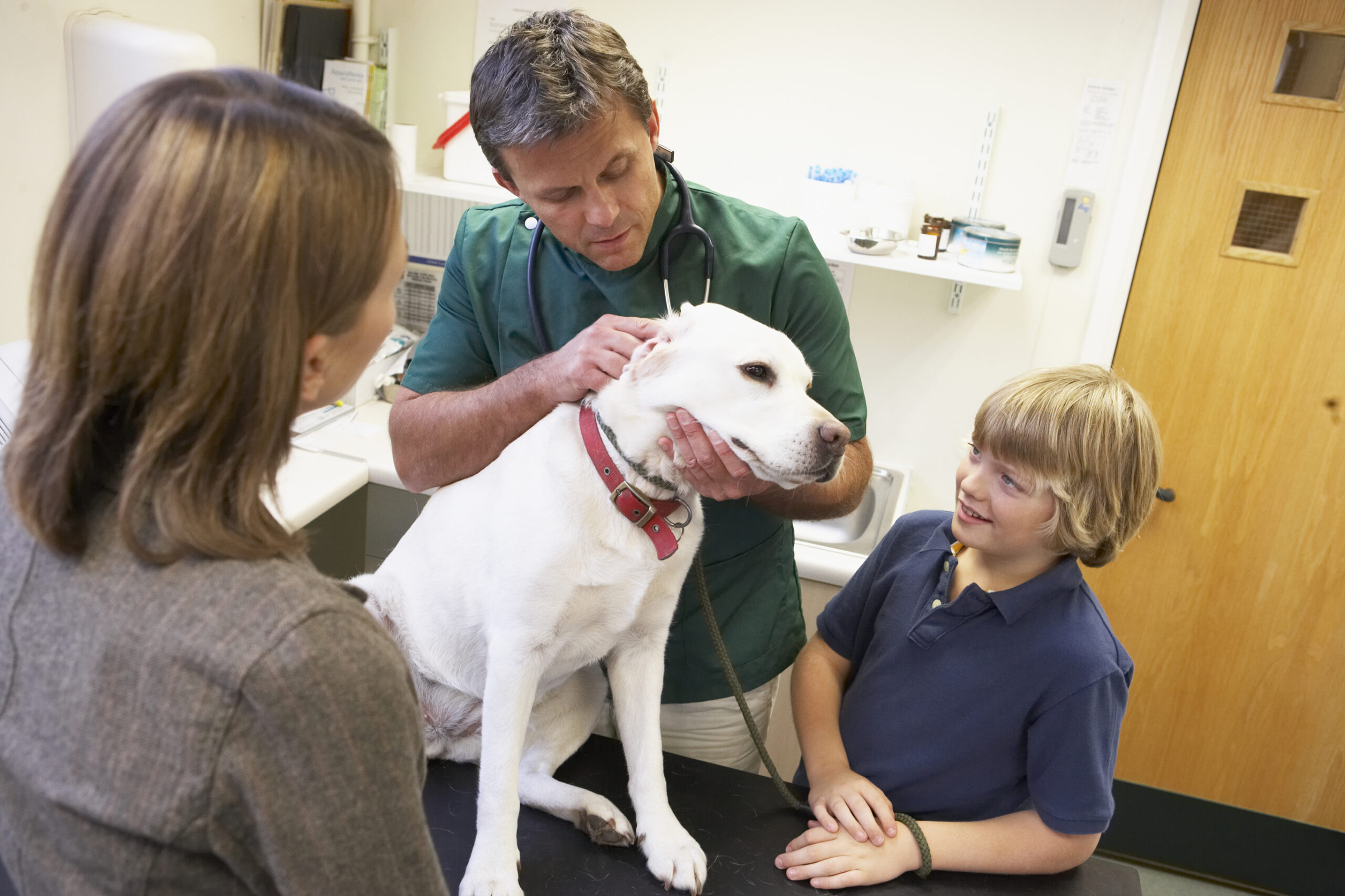
Step 1: Start with a Thorough Veterinary Evaluation
Because canine allergic dermatitis can mimic other conditions, your first step is a complete veterinary work-up. Your vet may:
- Examine the skin with cytology or cultures for infection.
- Rule out fleas, mites, or hormonal issues.
- Recommend a food elimination trial to test for dietary allergies.
- Conduct blood or intradermal tests for environmental allergens.
This detailed assessment helps identify both primary triggers and secondary complications like ear infections or yeast overgrowth.
Step 2: Support from the Inside Out — Nutrition & Gut Health
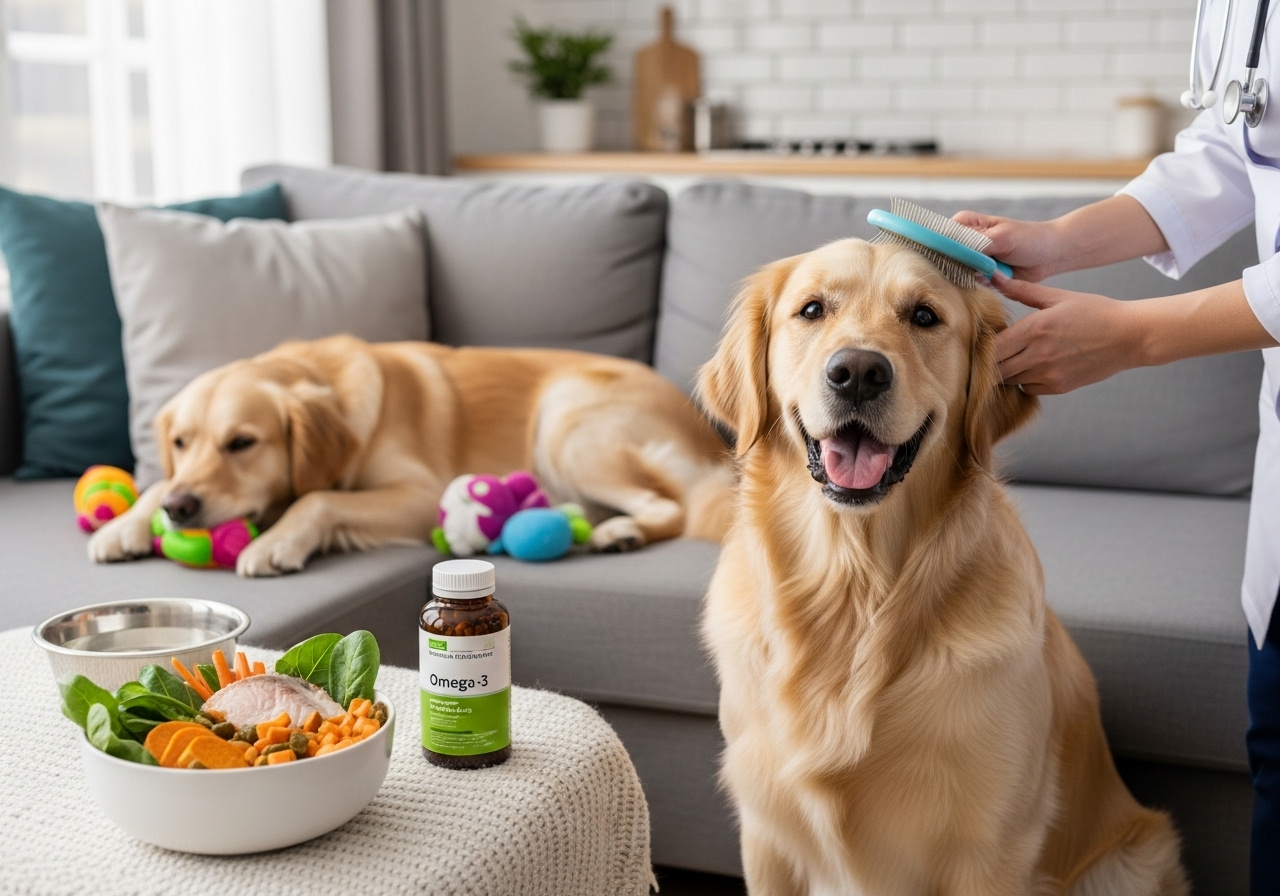
Diet plays a huge role in controlling dog skin allergies. Choose foods rich in omega-3 fatty acids, antioxidants, and easy-to-digest proteins. A veterinary nutritionist may suggest:
- Novel protein diets: Using a protein your dog hasn’t eaten before (like duck or venison).
- Hydrolyzed protein diets: Proteins broken down so the immune system doesn’t recognize them as allergens.
- Omega-3 supplements: Found in fish oil, these help calm inflammation and improve skin moisture.
Probiotics can also be beneficial, helping balance gut bacteria and reduce immune overreaction.
Dogs with chronic illness or muscle weakness may also need broader support. Learn more about neurological and immune health in dogs to understand how internal balance affects long-term recovery.
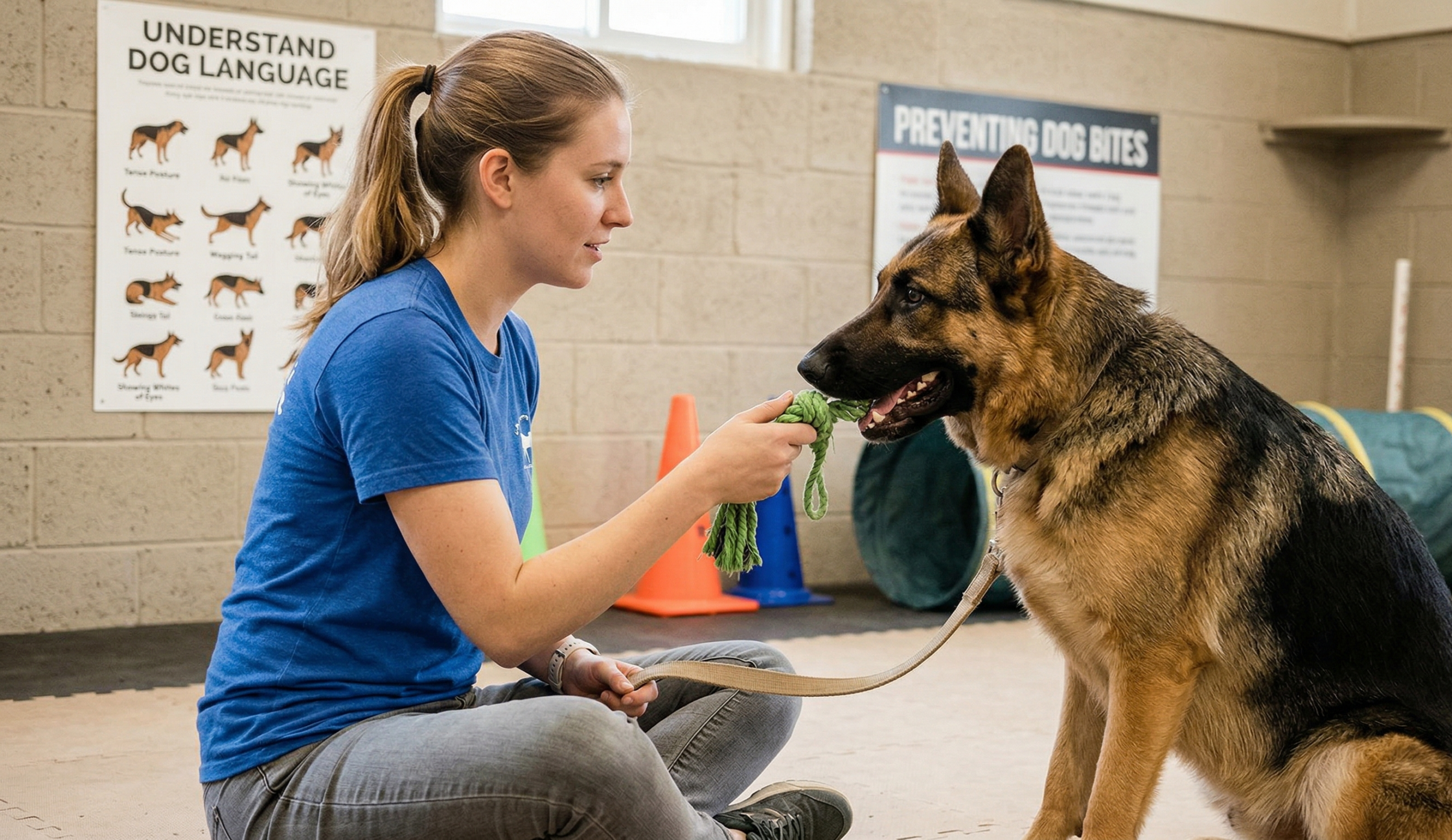
Step 3: Manage Stress and Behavior
Stress directly impacts your dog’s immune function and skin health. When dogs feel anxious, their bodies release cortisol and histamine — both of which worsen itching and inflammation.
Practical steps to reduce stress:
- Maintain a predictable routine for meals, walks, and play.
- Provide interactive toys or slow-feeder bowls for mental stimulation.
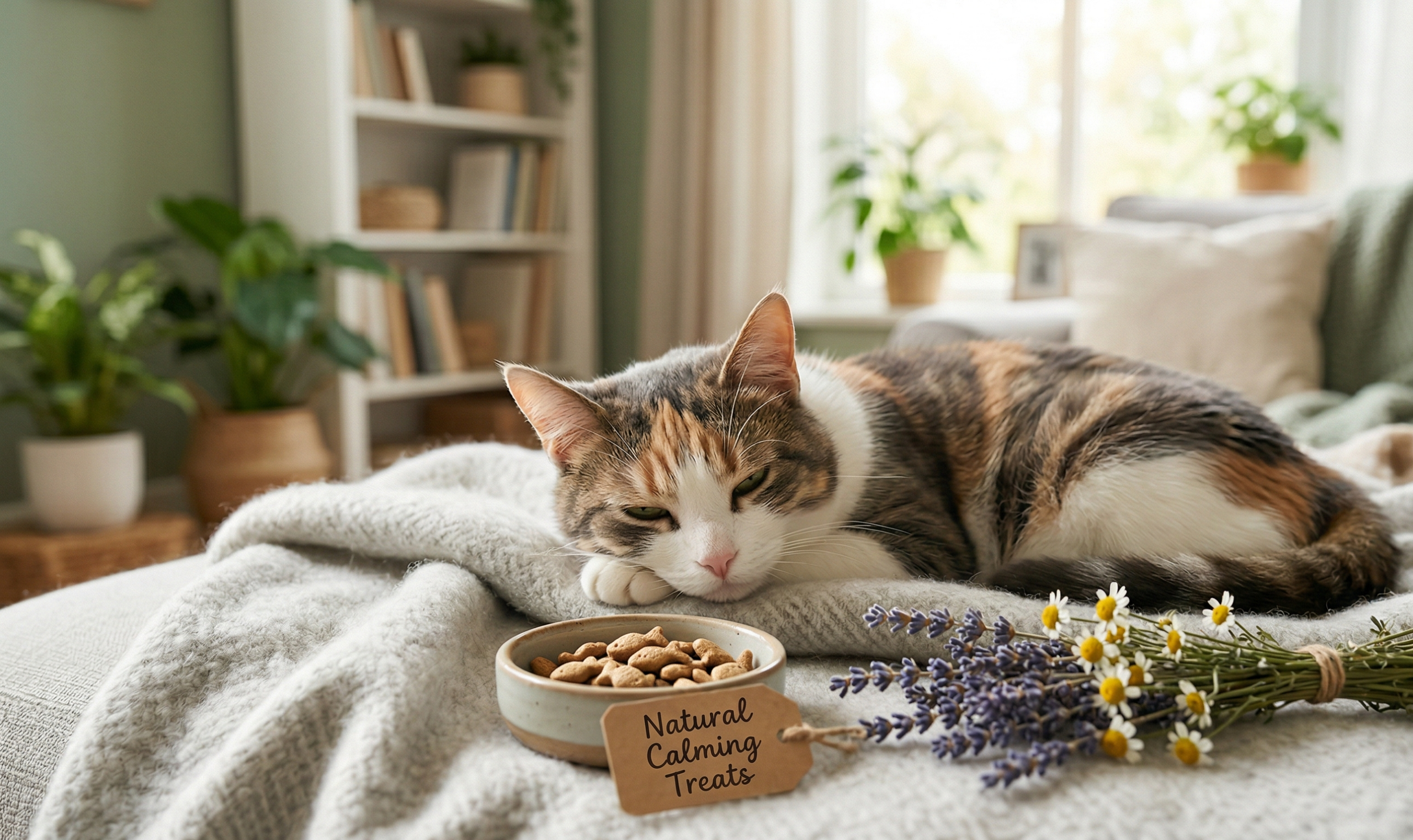
- Use calming supplements or pheromone diffusers (ask your vet for options).
- Create a quiet, comfortable sleeping area.
Chronic barking or nighttime anxiety can also worsen skin irritation. If your dog is restless after dark, check out our guide on managing stress and anxiety in dogs for more behavior-based solutions.
Step 4: Repair and Protect the Skin Barrier
Healthy skin acts as a shield against allergens, bacteria, and yeast. When that barrier breaks down, allergies spiral. Support skin repair by:
- Bathing weekly with gentle, hypoallergenic or medicated shampoos.
- Using barrier-repair sprays or creams containing ceramides and fatty acids.
- Keeping your dog’s nails trimmed to reduce self-inflicted wounds.
- Ensuring good flea control year-round.
Your vet may also recommend prescription topical treatments or short-term antipruritic medications for flare-ups while natural support builds up.
Step 5: Integrate Holistic and Long-Term Therapies
For many dogs, a long-term plan combining conventional and natural care yields the best results. Integrative therapies can include:
- Omega-3 and omega-6 balance: Supports anti-inflammatory pathways.
- Liver support supplements: Milk thistle and dandelion can aid detoxification (vet guidance needed).
- Adaptogenic herbs: Such as ashwagandha or licorice root for adrenal and immune support.
- Immunotherapy (ASIT): Custom allergy vaccines that gradually retrain the immune system.
When used consistently, these approaches help reduce flare frequency and medication dependence.
Comparison: Key Therapies for Canine Allergic Dermatitis
| Treatment Type | Goal | Best For | Notes |
|---|---|---|---|
| Prescription antipruritics (e.g., Apoquel, Cytopoint) | Stop itching quickly | Short-term flare relief | Use as part of broader plan |
| Omega-3 fatty acids | Reduce inflammation | All allergy types | Use vet-approved fish oils |
| Probiotics | Support gut and immune health | Dogs with gut sensitivity | Rotate strains every few months |
| Herbal liver support | Aid detoxification | Chronic allergy cases | Vet supervision needed |
| Immunotherapy (ASIT) | Retrain immune system | Environmental allergies | Long-term commitment |
Common Mistakes to Avoid
- Skipping vet consultation: Allergies can mimic infections or hormonal issues. Always confirm the cause first.
- Relying only on creams or shampoos: They help symptoms but not root causes.
- Ignoring the gut-skin link: Gut imbalance often fuels chronic skin issues.
- Overbathing: Too frequent washing can strip natural oils and worsen dryness.
- Stopping treatment early: Consistency is key — skin takes weeks to heal fully.
Long-Term Outlook
While canine allergic dermatitis isn’t curable, it’s highly manageable. With a balanced plan addressing nutrition, skin care, environment, and stress, most dogs experience fewer flare-ups and a much happier life.
Remember, managing your dog’s allergies is a marathon, not a sprint — small improvements each week can add up to long-term success.
FAQs
1. What causes canine allergic dermatitis?
Allergic dermatitis in dogs is caused by reactions to environmental allergens, food ingredients, or flea bites. Genetics and immune system sensitivity also play major roles.
2. Is atopic dermatitis in dogs the same as allergic dermatitis?
Yes and no. Atopic dermatitis in dogs refers specifically to environmental allergies, while canine allergic dermatitis is a broader term that includes food and flea-related allergies too.
3. What’s the best food for dogs with skin allergies?
Dogs with dog skin allergies often do well on novel or hydrolyzed protein diets that are low in allergens. Omega-3-rich foods and vet-formulated hypoallergenic diets can also help.
4. Can stress make dog allergies worse?
Absolutely. Stress triggers hormones that increase inflammation and itch sensitivity. Regular exercise, enrichment, and predictable routines can ease symptoms.
5. How long does it take for treatment to work?
Some dogs feel better within weeks, while others need months of consistent care. Improvements in coat quality and reduced itching often appear after 4–6 weeks.
6. Do probiotics help dog skin allergies?
Yes. Probiotics support healthy gut flora, which improves immune regulation and skin barrier strength. Ask your vet for canine-specific probiotic strains.
7. Can allergies go away completely?
While most dogs live with allergies long-term, symptoms can be controlled so well that flare-ups become rare or mild with proper care.