

Veterinary professionals are increasingly encountering a condition that mirrors one of human medicine’s most challenging diseases. Canine Cognitive Dysfunction Syndrome (CCDS) – often called “doggie dementia” – is the veterinary equivalent of Alzheimer’s disease, typically affecting dogs eight years and older.
The Growing Challenge
With improved veterinary care and nutrition extending our patients’ lifespans, CCDS cases are rising. However, we face a significant diagnostic challenge: the lack of standardized protocols for reliable antemortem diagnosis. This gap in our diagnostic toolkit often leaves us relying on clinical observation and ruling out other conditions, rather than having definitive markers to confirm our suspicions.
Understanding the Disease Process
CCDS is a progressive neurodegenerative disorder characterized by behavioral changes and brain deterioration. Similar to Alzheimer’s disease, affected dogs show cortical atrophy and accumulation of beta-amyloid and tau proteins in brain tissue. The gradual onset often makes early detection difficult, as owners may attribute initial symptoms to normal aging.
Clinical Presentation
The DISHAA assessment tool provides a structured approach to evaluation:
- Disorientation: Getting lost in familiar spaces, staring blankly
- Interactions: Changes in social behavior with family members
- Sleep-wake cycles: Nighttime wandering, daytime sleeping
- House soiling: Loss of previously established bathroom habits
- Activity changes: Decreased interest in play or increased restlessness
- Anxiety: New phobias, increased irritability, or aggression
Diagnostic Approach
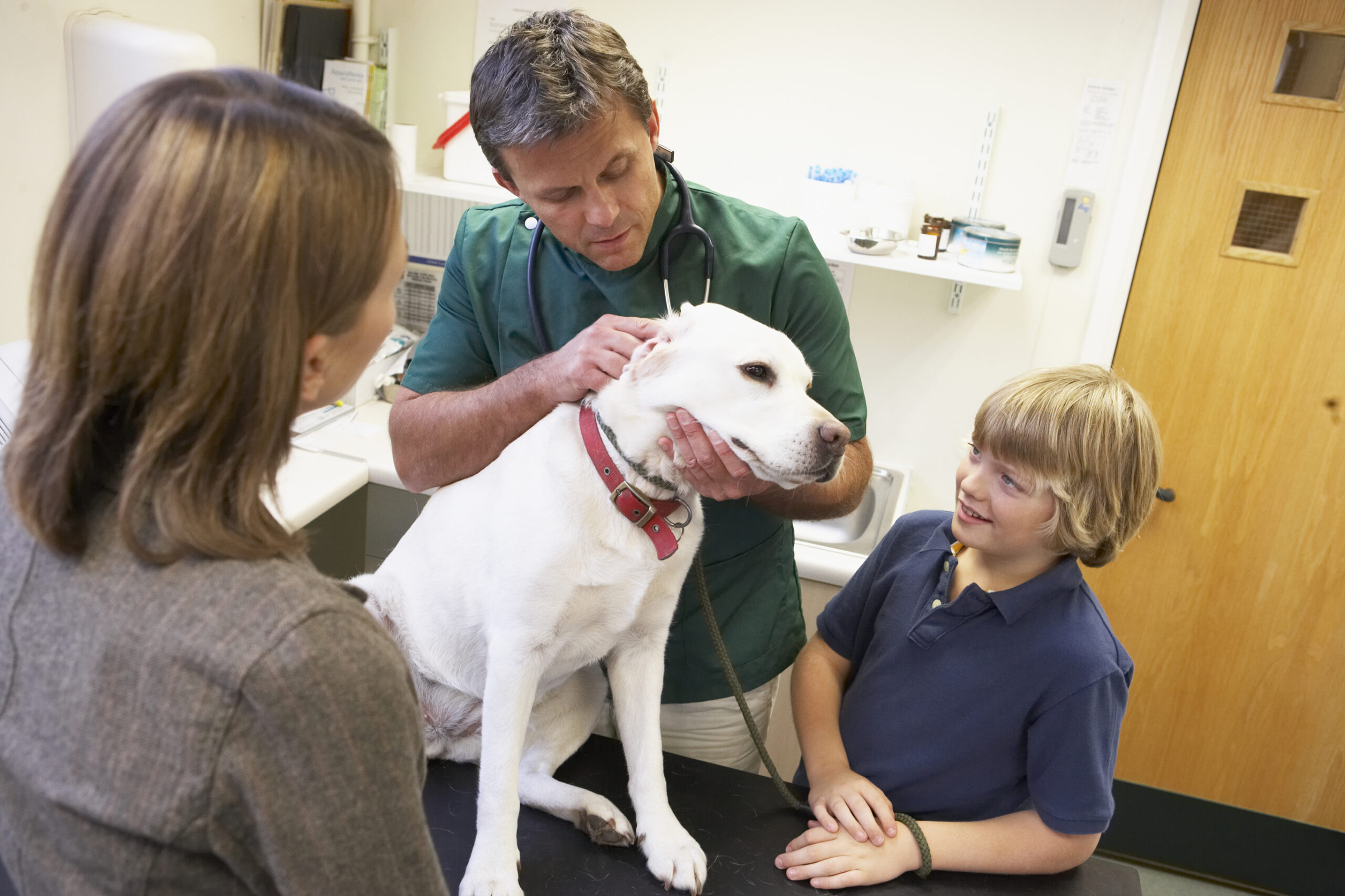
Currently, CCDS diagnosis relies on demonstrating clinical signs while ruling out other conditions. A thorough physical exam, blood work, and urinalysis help exclude systemic illnesses, pain conditions, or sensory deficits that could mimic cognitive dysfunction. Advanced imaging like MRI may be warranted to rule out brain tumors or other structural abnormalities.
The Path Forward
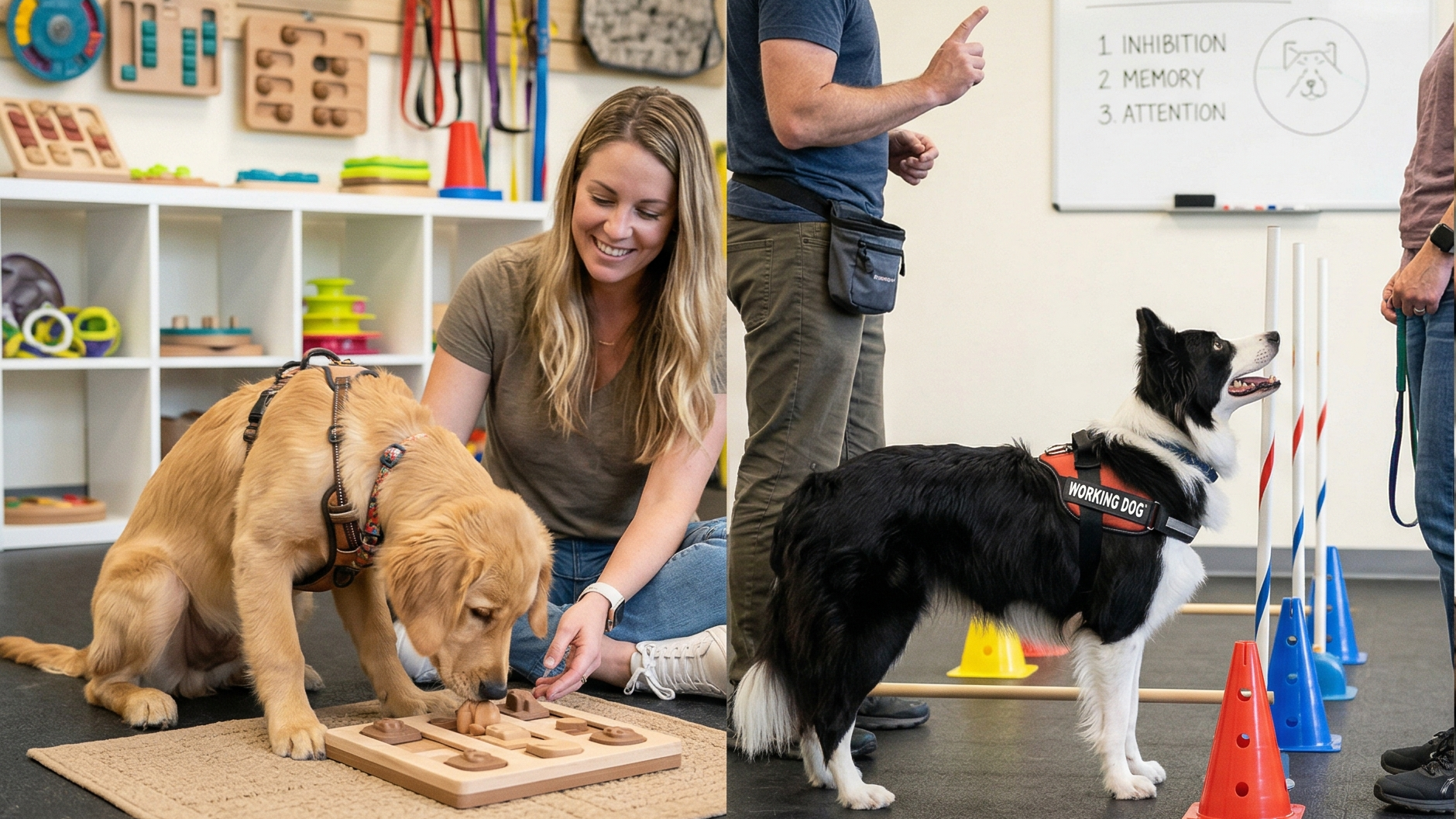
While researchers continue investigating reliable biomarkers and standardized diagnostic protocols, early recognition remains crucial. The sooner we identify CCDS, the sooner we can implement multimodal treatment approaches including prescription diets rich in antioxidants, environmental enrichment, medications like selegiline, and targeted supplements.
Conclusion
CCDS represents a growing concern in veterinary medicine that demands our attention. While we await more definitive diagnostic tools, maintaining high clinical suspicion and using structured assessment approaches can help us identify affected patients earlier. This enables us to implement interventions that may slow disease progression and improve quality of life for both our patients and their families.
The key is recognizing that cognitive changes aren’t simply “normal aging” – they represent a treatable medical condition deserving our professional attention and intervention.