The ability of dogs to detect human cancers has been well-documented, leading to interest in their potential to identify cancers in other species, particularly in dogs themselves. Recent studies have shown variability in dogs’ capabilities to detect canine cancers, with limited research specifically focusing on urothelial carcinoma (UC).
Study Overview
A recent study aimed to evaluate whether dogs could accurately detect canine urothelial carcinoma from urine samples. We collected urine from three groups: healthy dogs without urinary issues, dogs with non-malignant urinary tract diseases, and dogs diagnosed with UC. All samples were gathered prospectively, ensuring that the dogs involved were naïve to any chemotherapy treatments and had undergone thorough diagnostic procedures, including bladder ultrasounds.
Methodology of Training
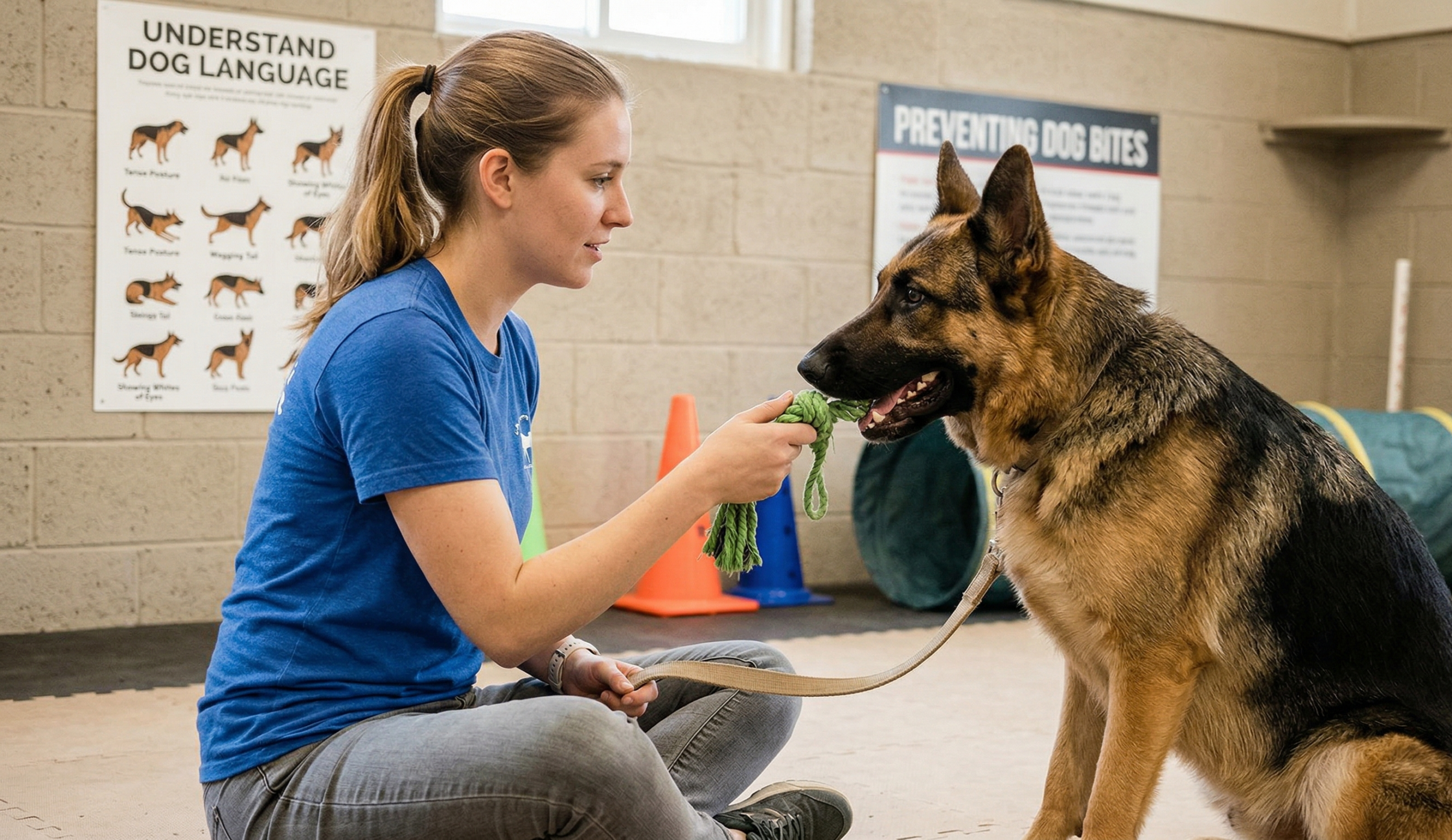
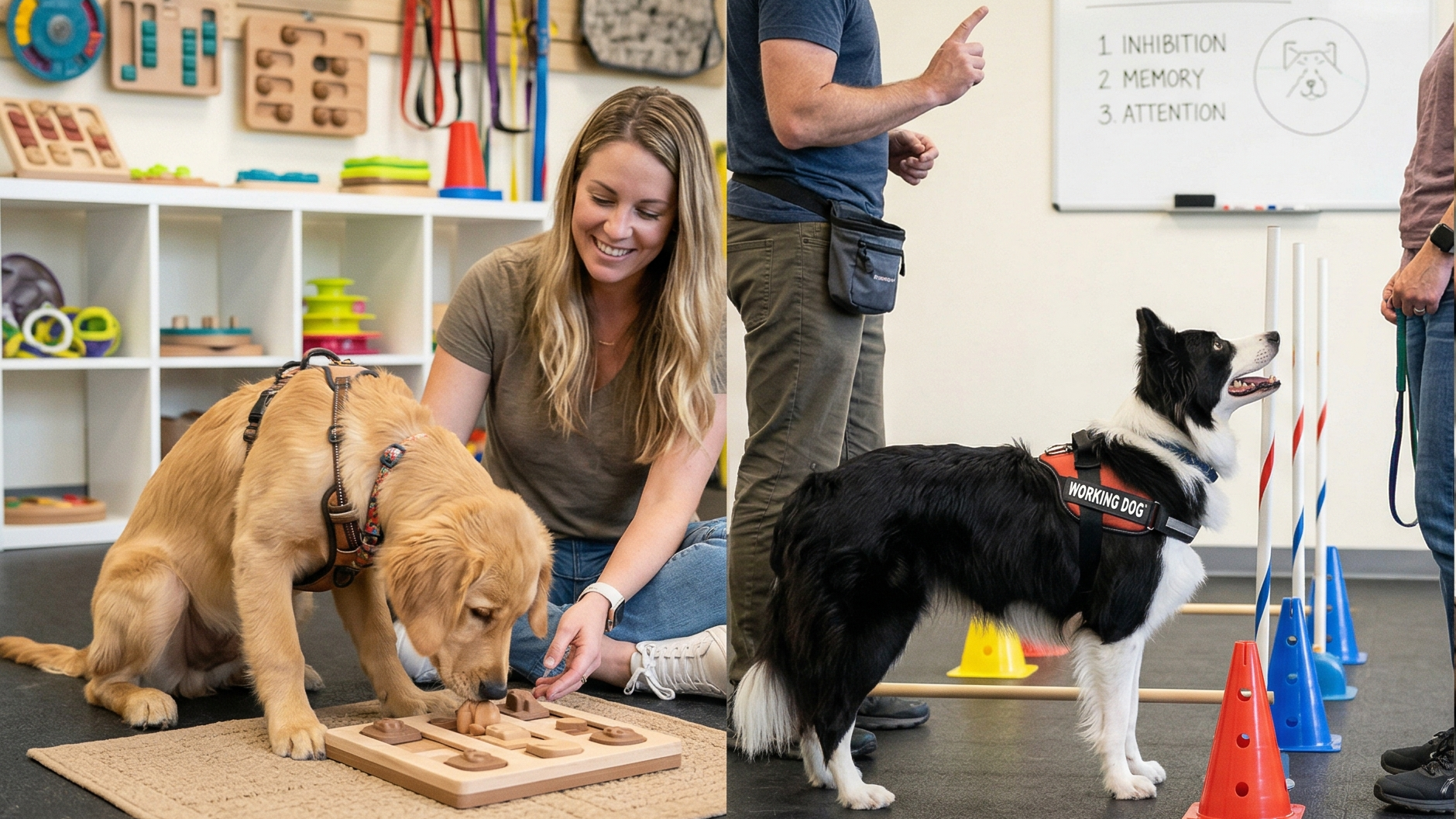
Three dogs, previously trained to identify human cancers, underwent additional training for up to 29 days. In a double-blind trial, each dog was presented with a mix of control samples and UC-positive samples. The training involved 20 control samples and 10 samples from dogs with UC, enabling the researchers to record the dogs’ behavioral responses accurately.
Results of the Detection Study
The results were promising. When focusing solely on unique donor dogs, the mean detection rate for UC was 66.7%, with a range from 40% to 85.7%. Furthermore, the dogs showed a mean accuracy of 87.5% in correctly ignoring control samples. Overall, the sensitivity of the dogs in detecting UC across all samples was 80%, with specificity rated at 91.7%. These statistics indicate a significant potential for dogs as non-invasive diagnostic tools in veterinary medicine.
Implications for Veterinary Practice
The study results underscore the potential for dogs to serve as an additional diagnostic method for urothelial carcinoma in canines. As non-invasive tests gain traction, incorporating trained detection dogs into veterinary practices could enhance early detection and improve outcomes. This innovative approach could lead to more accurate diagnoses and ultimately better care for our canine companions.
This study demonstrates the effectiveness of advanced training methods in enabling dogs to identify canine urothelial carcinoma from urine samples. Given the high sensitivity and specificity, vets should consider integrating trained detection dogs into their diagnostic procedures. This will pave the way for innovative, complementary approaches in veterinary oncology.