Cat parents want their furry companions to live their best lives. When cats face mobility challenges due to injury, surgery, or conditions like arthritis, physical therapy and rehabilitation can make a huge difference in their comfort and quality of life.
What is Feline Physical Therapy?
Physical therapy for cats involves specific exercises and treatments designed to help them regain strength, improve mobility, and manage pain. Just like humans, cats can benefit from structured rehabilitation programs that help their bodies heal and function better.
Veterinary physical therapists use various techniques including therapeutic exercises, massage, hydrotherapy (water therapy), laser therapy, and other specialized treatments. These methods work together to reduce pain, increase flexibility, and help cats return to their normal activities.
When Might Your Cat Need Physical Therapy?
Several situations might call for rehabilitation services:
- After surgery: Following procedures like fracture repairs or cruciate ligament surgery
- Arthritis management: Helping cats with joint stiffness and pain move more comfortably
- Injury recovery: Supporting healing from sprains, strains, or other injuries
- Neurological conditions: Assisting cats with nerve-related movement problems
- Weight management: Helping overweight cats exercise safely
Signs Your Cat Might Benefit
Watch for these indicators that your cat may need rehabilitation help:
- Difficulty jumping up or down
- Reluctance to use stairs
- Stiffness when getting up
- Limping or favoring one leg
- Decreased activity or play
- Changes in litter box habits due to mobility issues
Common Rehabilitation Techniques
Therapeutic Exercise: Gentle movements and stretches that improve range of motion and strength.
Hydrotherapy: Water-based exercises that allow movement with less joint stress.
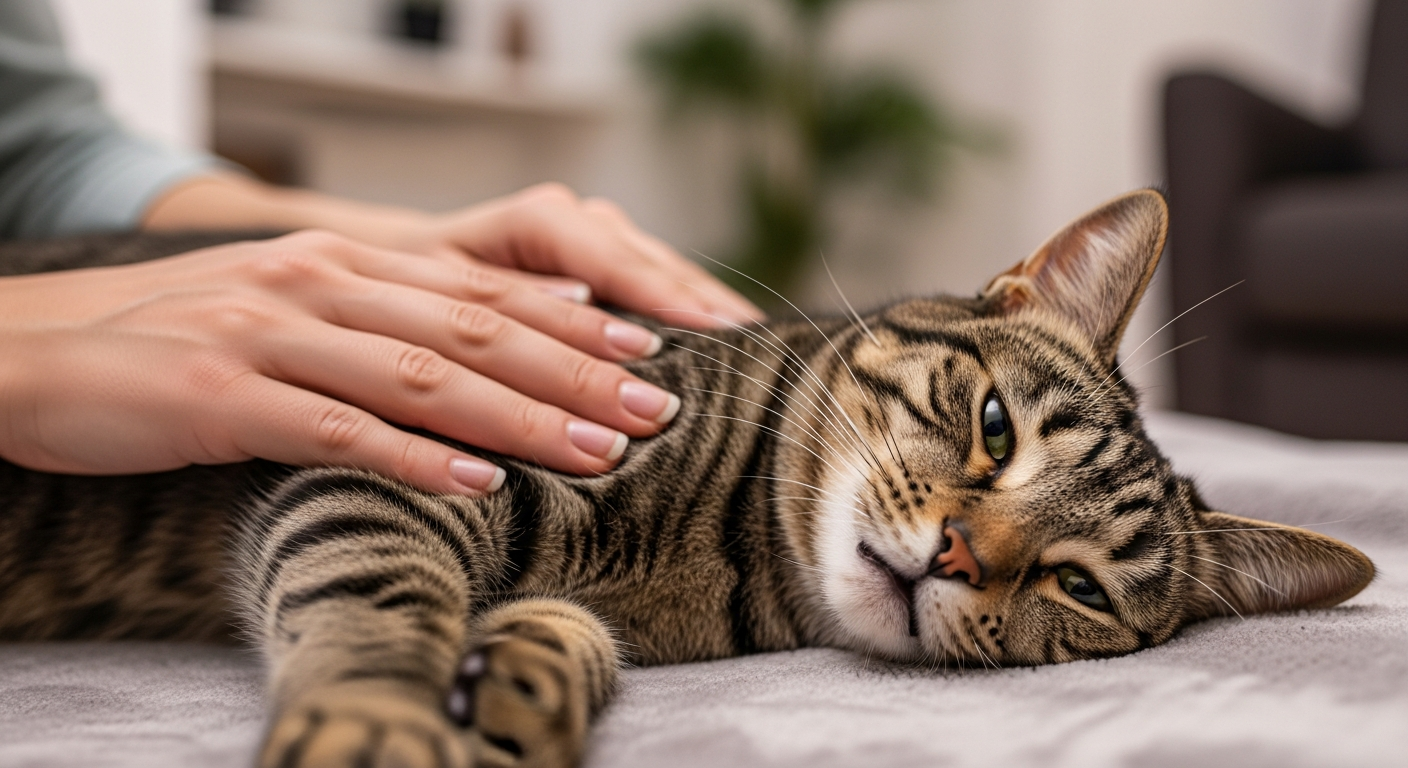
Massage Therapy: Helps reduce muscle tension and improve circulation.
Laser Therapy: Uses light energy to reduce inflammation and promote healing.
Balance Training: Exercises using special equipment to improve coordination and stability.
What to Expect
Most rehabilitation programs start with a thorough evaluation by a certified veterinary physical therapist. They’ll assess your cat’s specific needs and create a customized treatment plan. Sessions typically last 30-60 minutes and may include both hands-on treatments and exercises you can do at home.
Progress takes time, and every cat responds differently. Some see improvements within weeks, while others need longer programs for the best results.
Important Reminders
Physical therapy should always be performed by trained professionals or under their guidance. Never attempt rehabilitation techniques without proper instruction, as improper methods could worsen your cat’s condition.
If you notice mobility issues in your cat, consult your veterinarian first. They can determine if physical therapy is appropriate and refer you to qualified rehabilitation specialists. With proper care and patience, many cats can return to more comfortable, active lives through rehabilitation therapy.