
Most Usable Natural Remedies in Veterinary Practice
Incorporating natural remedies into veterinary practice offers a holistic approach to pet care. As veterinarians increasingly recognize the benefits of complementary therapies, having a selection…


Incorporating natural remedies into veterinary practice offers a holistic approach to pet care. As veterinarians increasingly recognize the benefits of complementary therapies, having a selection…
The ability of dogs to detect human cancers has been well-documented, leading to interest in their potential to identify cancers in other species, particularly in…

A recent study focused on the life expectancy of dogs in Portugal, analyzing various factors such as breed, sex, size, and skull shape. The comprehensive…
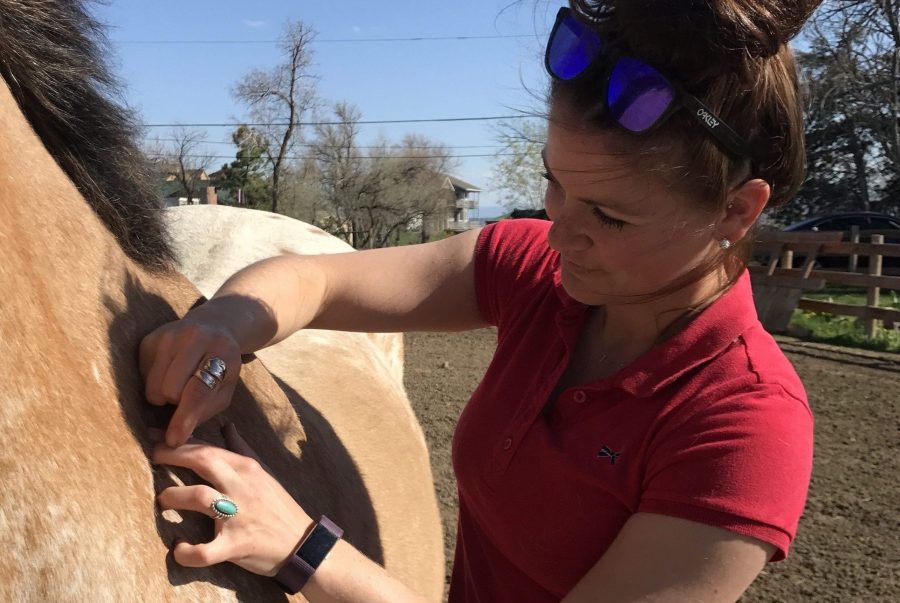
The collaboration between complementary and alternative medicine (CAVM) and traditional veterinary medicine is gaining attention as a means to enhance animal healthcare. This approach seeks…
Medicinal leeches, such as Hirudo medicinalis and Hirudo verbana, are receiving increasing recognition for their therapeutic applications in veterinary medicine. These leeches secrete over 100…

The job market for 2025 showcases a significant surge in demand for veterinarians, a trend driven by changing societal norms and economic factors. With a…

Integrative treatment modalities for veterinary settings combine conventional and complementary therapies to enhance animal health and well-being. Here are five must-have integrative treatment protocols that…
Acute diarrhea (AD) is a common condition in dogs that poses challenges for veterinarians. The management of AD often involves the use of antibiotics such…

Feng Shui, an ancient Chinese practice, focuses on harmonizing the environment to promote well-being. Applying Feng Shui principles in animal spaces can significantly influence the…

Cushing’s syndrome, also known as hyperadrenocorticism, is a significant endocrine disorder in dogs that can severely impact their quality of life. The condition arises from…

The integration of genetic testing into veterinary medicine represents a significant advancement in the role of genetics in predictive health models for pets. As veterinary…

Mesenchymal stem cells (MSCs) are posited as an alternative for treating diseases where conventional therapies fall short. They have unique properties, such as ease of…
Please confirm you want to block this member.
You will no longer be able to:
Please note: This action will also remove this member from your connections and send a report to the site admin. Please allow a few minutes for this process to complete.
