
A healthy mouth equals a healthy dog. Good oral hygiene doesn’t just keep your pup’s teeth sparkling—it also protects overall health. Dental care helps prevent periodontal disease in dogs, which is one of the most common conditions seen by veterinarians.
Why Dental Health Matters for Dogs
Periodontal disease is any inflammation or infection of the teeth, gums, or related oral structures. It is caused by bacteria and the toxins they produce. If left untreated, these toxins gradually destroy the tissues that support the teeth. Over time, teeth become loose, painful, and may eventually fall out.
The consequences aren’t limited to the mouth. Harmful bacteria and toxins can enter the bloodstream and affect vital organs such as the kidneys, liver, gastrointestinal tract, lungs, and heart. This means poor dental health can shorten your dog’s lifespan.
The good news is that periodontal disease is highly preventable with the right habits. Here are eight effective steps to keep your dog’s mouth in top condition and ensure fresher breath.
1. Schedule Professional Cleanings with Your Veterinarian
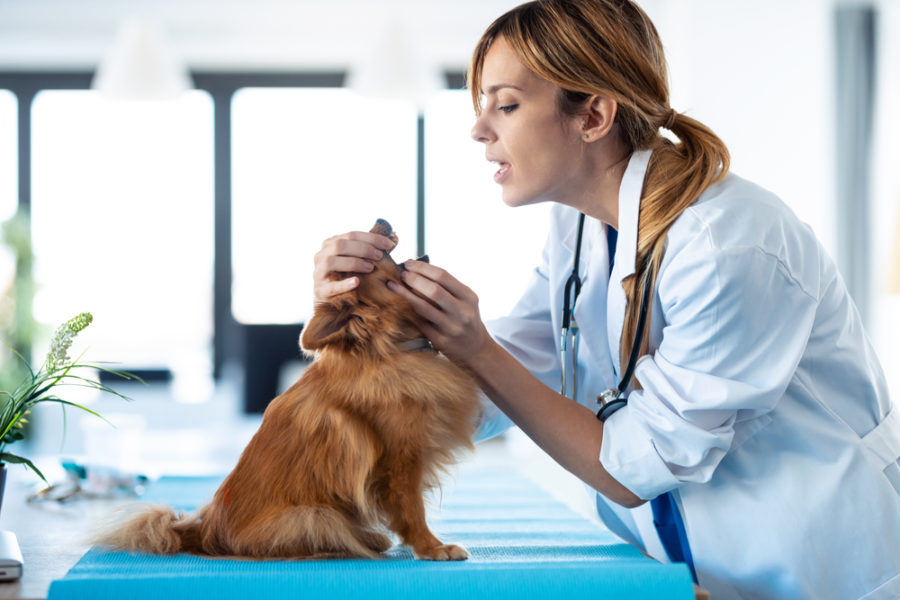
Most dogs benefit from a professional dental cleaning at least once a year. Larger breeds with stronger teeth may need it less often—every two to three years—while smaller breeds often require cleanings more frequently, sometimes every three to six months.
Modern veterinary anesthesia makes these procedures safe for nearly all dogs, including seniors. A professional cleaning is the best way to remove tartar buildup below the gum line, where brushing can’t reach.
2. Brush Your Dog’s Teeth Daily
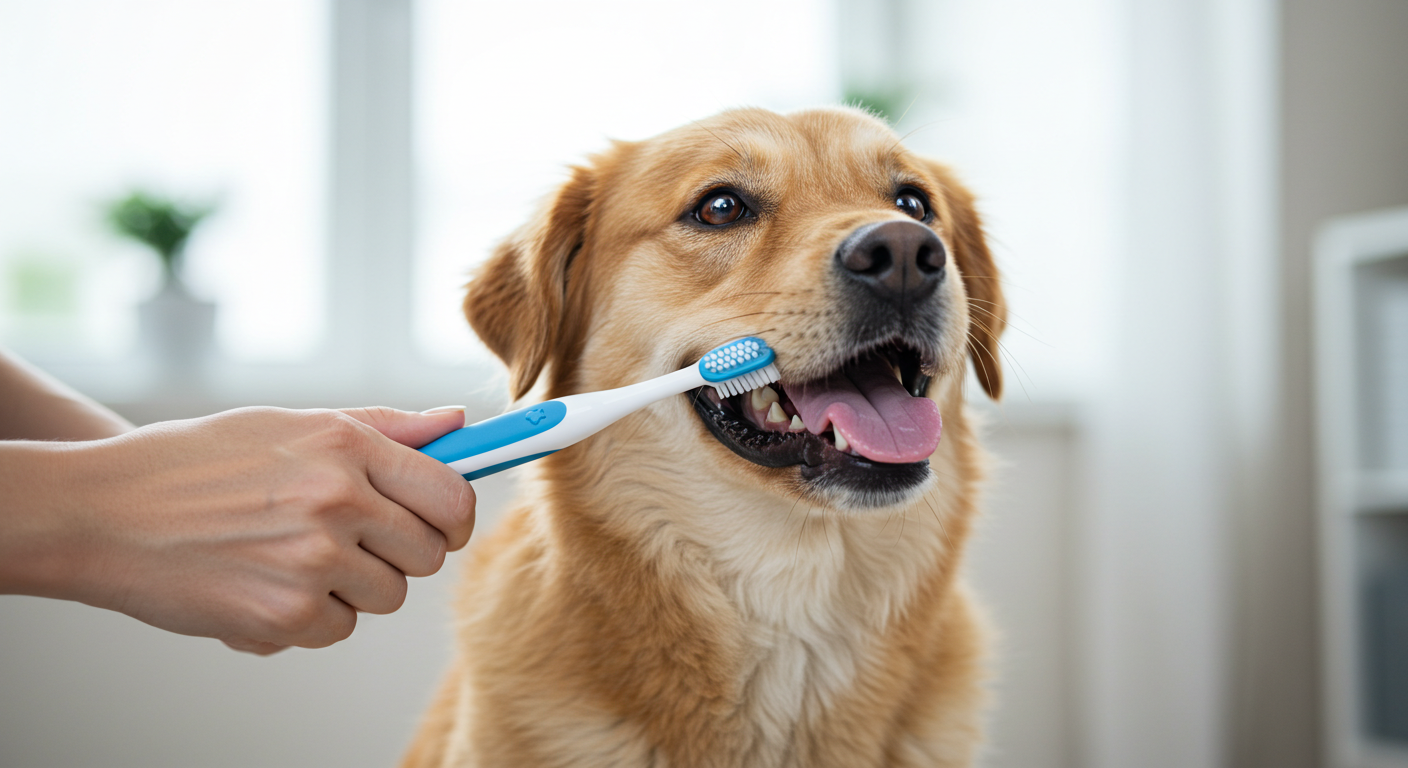
Brushing is the gold standard for dog dental care. Use a toothbrush designed for dogs and veterinary-approved toothpaste or gel. Never use human toothpaste, as it contains fluoride and xylitol, which are toxic to pets.
Daily brushing is ideal, but even a few times per week can make a difference in reducing plaque buildup and improving dog dental hygiene.
3. Start Brushing Early
If you have a puppy, begin brushing early—even before it seems necessary. This trains your dog to accept tooth brushing as part of their routine. Puppies that are accustomed to brushing will continue to tolerate it as adults, reducing dental stress for both of you.
4. Invest in Natural Dental Solutions
In addition to brushing, you can support oral health with natural dental products. Options include water additives that help reduce plaque-causing bacteria, dental gels applied with your finger or a brush, and sprays designed for dog fresh breath. These solutions are easy to use and make a great addition to your dog’s dental care routine.
5. Feed a High-Quality Diet
Nutrition is the foundation of overall health, and the mouth is no exception. A balanced, high-quality diet supports strong teeth, healthy gums, and better immunity against infection. Avoid foods with artificial fillers and opt for diets rich in whole ingredients, essential fatty acids, and vitamins.
6. Offer Raw Bones Safely
Raw bones can help scrape away plaque naturally, but they must be offered with care. Always match the size of the bone to your dog’s size and chewing habits. Follow veterinary guidance and supervise chewing, as bones can sometimes splinter, lodge in the mouth or throat, or fracture teeth. Fresh meaty bones are safest when recommended by your vet.
7. Choose the Right Chew Toys
Dental chew toys are a safer alternative to bones when chosen wisely. Look for toys designed to support oral health without risking tooth fractures. Avoid extremely hard objects like antlers or cooked bones, which can damage enamel. Instead, opt for veterinary-approved chew toys that massage gums and reduce tartar.
8. Check Your Dog’s Teeth and Gums Weekly
Regular at-home inspections help you catch dental problems early. Look for missing, cracked, or loose teeth, red or swollen gums, or unusually strong odors. If you notice any abnormalities, schedule an appointment with your veterinarian.
In some cases, you may be referred to a veterinary dental specialist, who can perform advanced procedures such as extractions or root canals—similar to what your own dentist would provide.
FAQs :
Will cleaning my dog’s teeth help bad breath?
Yes. Regular dental cleaning removes plaque, tartar, and bacteria that are the primary causes of bad breath in dogs. Professional cleanings go below the gum line, where odor-causing bacteria often hide. Pairing professional cleanings with daily brushing at home is the most effective way to eliminate persistent bad breath.
Why does my dog’s breath stink but his teeth are clean?
Sometimes bad breath isn’t caused by visible tartar or plaque. It can be linked to gum disease, oral infections, or even systemic health problems like kidney or gastrointestinal issues. If your dog’s breath smells unpleasant despite clean teeth, consult your veterinarian to rule out underlying health concerns.
How to clean dogs’ teeth and breath?
Brushing is the gold standard for cleaning a dog’s teeth naturally. Use a toothbrush and pet-safe toothpaste daily. Supplement this with natural water additives, dental gels, or chew toys designed for oral care. Offering raw bones or dental chews can also help, but supervision is necessary. Combining these methods not only cleans teeth but also freshens your dog’s breath.
What are the side effects of dental cleaning for dogs?
Most dogs recover quickly from professional dental cleanings. Possible side effects include mild gum irritation, drowsiness from anesthesia, or temporary changes in appetite. In rare cases, complications may arise if there are underlying health issues. Working with a veterinarian who performs pre-anesthetic testing greatly reduces risks.
Do dogs feel better after teeth cleaning?
Absolutely. Dogs often feel noticeably more comfortable after dental cleaning, especially if painful tartar, infected gums, or loose teeth are treated. Many guardians report improved energy, appetite, and overall happiness in their dogs once dental pain has been resolved.
Why is my dog breathing weird after dental cleaning?
Some dogs may breathe differently for a short time after anesthesia, often due to throat irritation from the breathing tube used during the procedure. This usually resolves within 24 to 48 hours. If the unusual breathing persists, or if your dog shows signs of distress, contact your veterinarian immediately.
Final Thoughts
Caring for your dog’s teeth is not just about fresh breath—it’s about preventing disease and protecting overall wellbeing. By combining professional cleanings, daily brushing, natural dental products, and safe chew options, you can ensure your dog enjoys a healthier, happier life.
If you’d like to take your dog’s health and wellness to the next level, explore the Online Dog Courses at Animal Wellness Academy. These expert-led resources cover practical tips on dental care, nutrition, and preventive health, helping you give your companion the best possible care.