

Integrative pet wellness blends standard veterinary care with natural methods. It focuses on the pet’s full health, body, and mind. Many pet owners remain uncertain about what integrative care entails. This confusion creates several common myths.
Clearing up these myths helps people make better choices for their pets. This guide explains the top five misconceptions and shares simple, clear facts to support pet health.
#1: Integrative Pet Wellness Replaces Regular Vet Visits
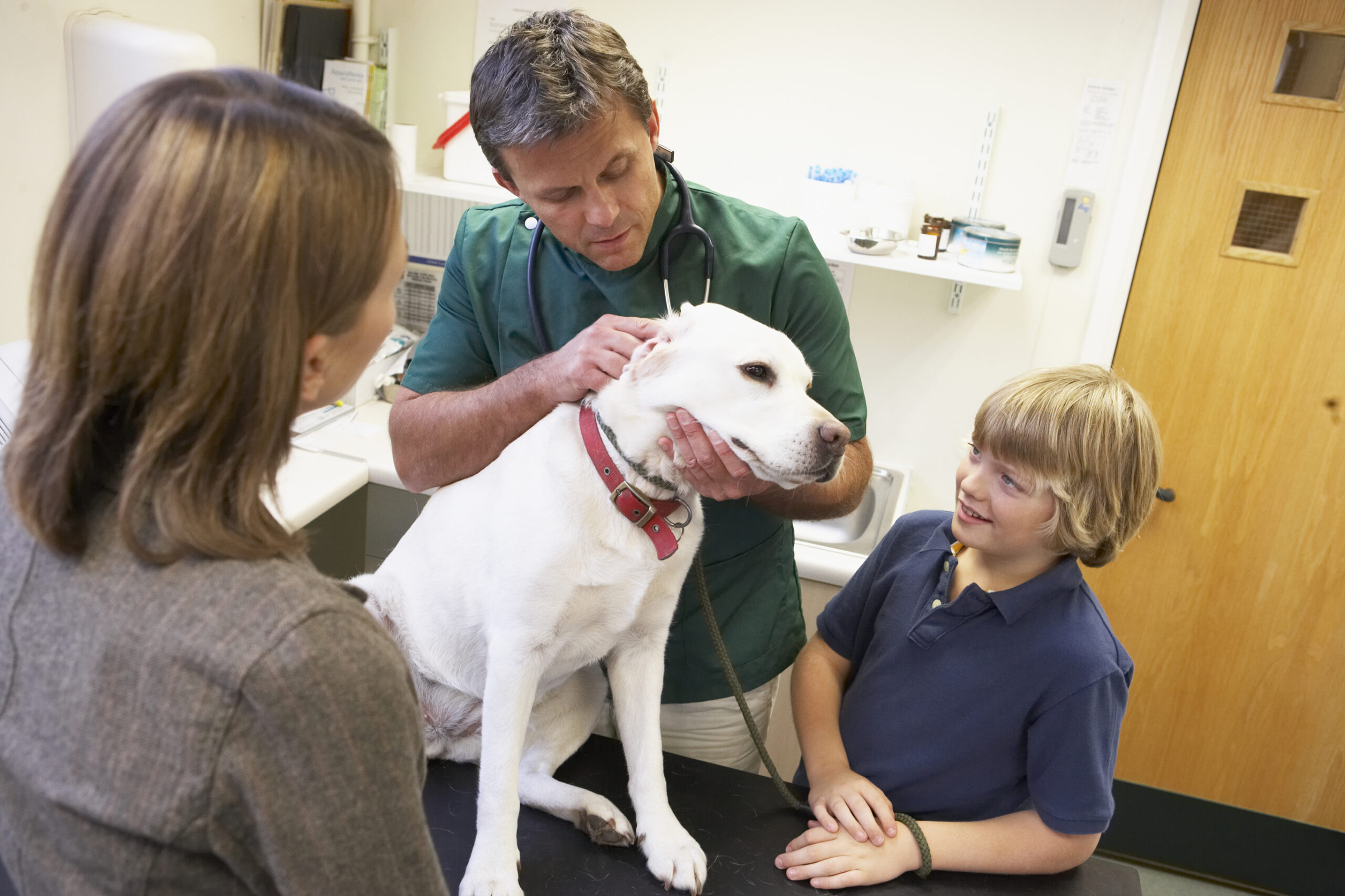
Many people think that integrative care is a replacement for traditional veterinary treatment. This is not true; integrative pet wellness works in conjunction with veterinary care, not in opposition to it.
Pets still require vaccinations, dental cleanings, surgeries, and emergency care. Integrative methods, such as massage, a balanced diet, and supplements, cannot treat serious infections or broken bones. A licensed vet is still needed for many medical conditions.
Integrative wellness focuses on improving overall health. It helps pets recover more quickly, feel better, and reduce the risk of illness. But it does not replace diagnosis or treatment by a veterinarian.
Key Point: Always keep up with your pet’s regular vet visits. Integrative care is a support tool, not a substitute.
#2: Natural Treatments Are Always Safe
“Natural” does not always mean “safe.” Many pet owners believe that if a product is plant-based, it must be harmless. But this is a dangerous myth.
Some herbs, essential oils, or natural remedies can cause side effects. Others can interact with medications or lead to allergic reactions. For example:
- Garlic can be toxic to both dogs and cats.
- Tea tree oil may cause skin irritation or allergic reactions.
- Certain mushrooms, while natural, can be deadly to pets.
Even common foods like grapes and onions are natural, but they can be harmful to dogs. Every pet reacts differently. What is safe for one may be risky for another. It depends on the species, breed, age, and health condition.
Key Point: Always ask a veterinarian before trying any natural product. Safety comes first.
#3: Integrative Care Is Only for Sick Pets
Another common misconception is that integrative care is only beneficial for pets that are already ill. This is not the case. Integrative wellness helps healthy pets too. It focuses on prevention. It strengthens the immune system, supports digestion, reduces stress, and improves energy levels. These benefits can keep your pet from developing common issues later on.
Healthy pets can enjoy:
- Better coat and skin health
- Stronger muscles and joints
- Improved mood and behavior
- Better sleep and appetite
Many wellness strategies are easy to add to daily life. Examples include offering species-appropriate food, providing more playtime, or using calming tools like sound therapy.
Key Point: You don’t need to wait for health problems to start integrative care. Start early and help your pet stay well longer.
#4: Results Happen Overnight
Many owners expect quick results from integrative wellness. This is a common mistake. Natural care works slowly and gently. It builds health step by step.
You may not see big changes in the first few days. Some benefits, such as improved skin or enhanced immunity, can take weeks or months to become noticeable. For example:
- Digestive improvements might be visible in 7–10 days
- Joint comfort can take 3–4 weeks to improve.
- Hair and coat benefits may take up to 6–8 weeks.
This slow pace is not a flaw. It means the body is adjusting in a safe way. Fast results are often not lasting. Long-term care leads to better balance and deeper healing.
Key Point: Be patient. Track your pet’s progress. Consistency is more important than speed.
#5: It’s Too Expensive and Complicated
Some people avoid integrative care because they believe it is too expensive or difficult to follow. But it doesn’t need to be expensive or complex.
Many integrative practices are affordable and simple to start. Here are easy steps you can take today:
- Add steamed vegetables to your dog’s meals
- Give your cat more playtime and enrichment.
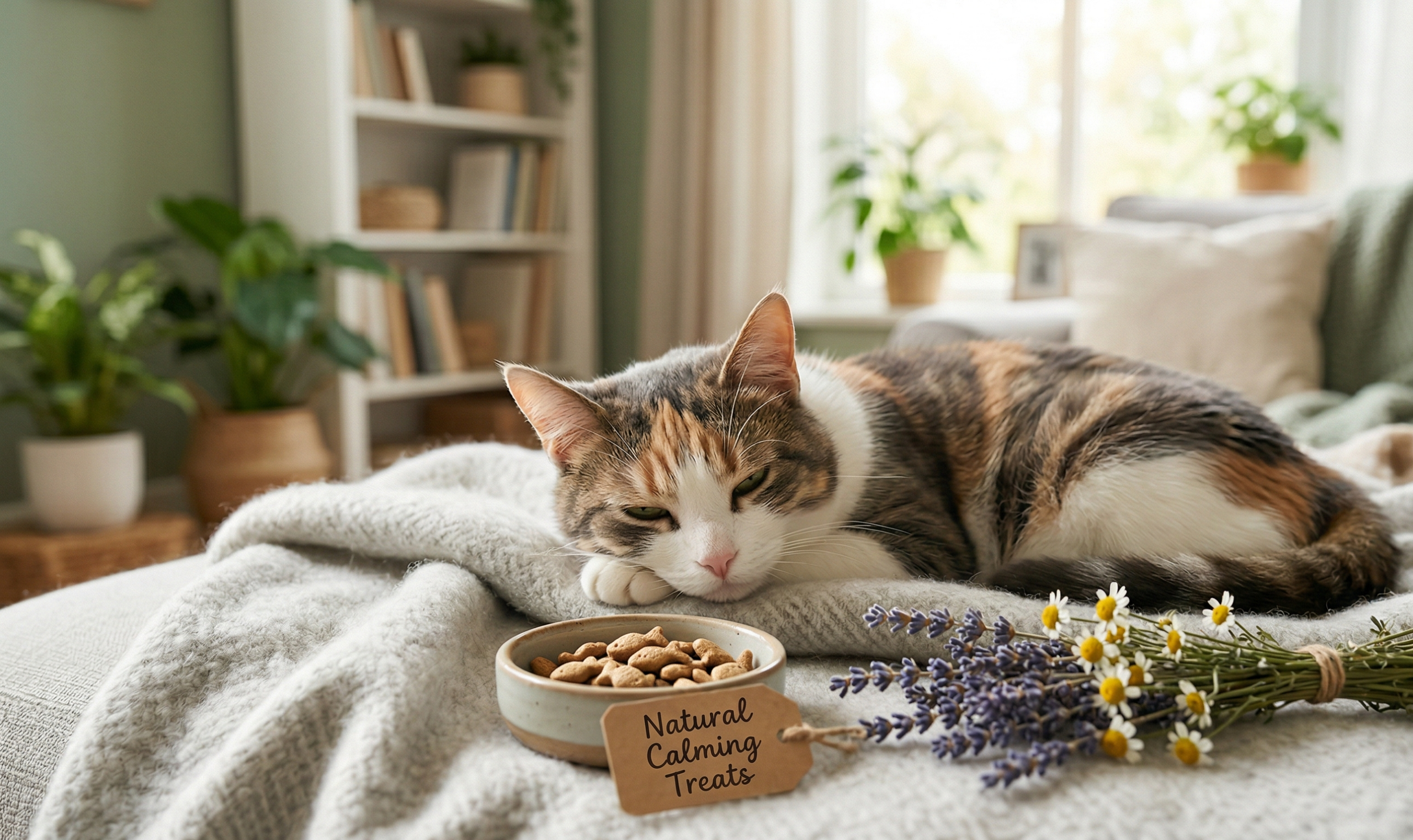
- Use natural calming tools during stressful events.
- Choose high-quality food with fewer fillers.
Even small changes, when done daily, can make a big difference. You don’t need fancy treatments to support your wellness. What matters most is being consistent and mindful of your pet’s needs.
Key Point: Start small. Build habits over time. Wellness can fit into any lifestyle or budget.
Why These Misconceptions Matter
Misunderstanding integrative wellness may cause pet owners to avoid it or use it incorrectly. That puts the pet’s health at risk.
When people believe that natural equals safe, or that vet care is no longer needed, they may delay proper treatment. When they expect fast results and don’t see them, they may give up too soon. These myths lead to frustration and poor outcomes.
By learning the facts, pet owners can take smarter steps. They can blend modern care with natural methods in a balanced, effective way.
How to Begin Integrative Care the Right Way
Here are some tips to get started safely:
- Talk to your veterinarian before making any changes
- Look for certified pet wellness coaches or holistic vets.
- Read labels on pet products carefully.
- Introduce new foods or supplements one at a time to avoid potential side effects.
- Observe your pet daily and keep notes
.
These steps help you avoid side effects and build a routine that truly supports your pet’s health.
At Animal Wellness Academy, we help pet owners cut through confusion with trusted, easy-to-understand resources. If you’re ready to start your pet’s wellness journey, we invite you to learn with us.
Explore our beginner-friendly guides, expert insights, and practical tools. Whether you’re new to holistic care or looking to improve your routine, we’re here to support you and your pet every step of the way.
Frequently Asked Questions
Can I use integrative wellness services without consulting a veterinarian?
No. Integrative wellness supports, but does not replace, regular vet care. Always consult a veterinarian before starting new treatments or supplements.
Are all natural products safe for pets?
No. Some natural items like garlic, essential oils, or certain herbs,s can be harmful. Always consult a veterinarian before using any natural product.
How long does it take to see results from integrative care?
It depends. Some pets may show small changes within a week. Others may take 4 to 8 weeks to improve. Stay consistent and track progress over time.
Is integrative pet wellness only for older or sick animals?
No. Healthy pets also benefit. It can improve energy, coat health, and digestion. It also helps prevent future problems.
Is integrative care too expensive for average pet owners?
No. Many changes, such as eating better, exercising more, or reducing stress, cost little or nothing. Start small and build healthy habits over time.
Conclusion:
Integrative pet wellness is not a trend. It is a smart, balanced approach to lifelong health. But to make it work, pet owners need the right information. By understanding the truth behind these five common myths, you can make better choices for your furry friend.
Focus on quality food, safe natural products, and steady routines. Work with your vet. Monitor your pet closely. And remember, wellness is not a quick fix. It’s a daily habit that fosters a strong and happy life.