
Strategic perioperative management is crucial for ensuring the well-being of brachycephalic dogs during the recovery phase. The incorporation of CPAP, particularly delivered through a pediatric helmet, represents a significant advancement in this field.
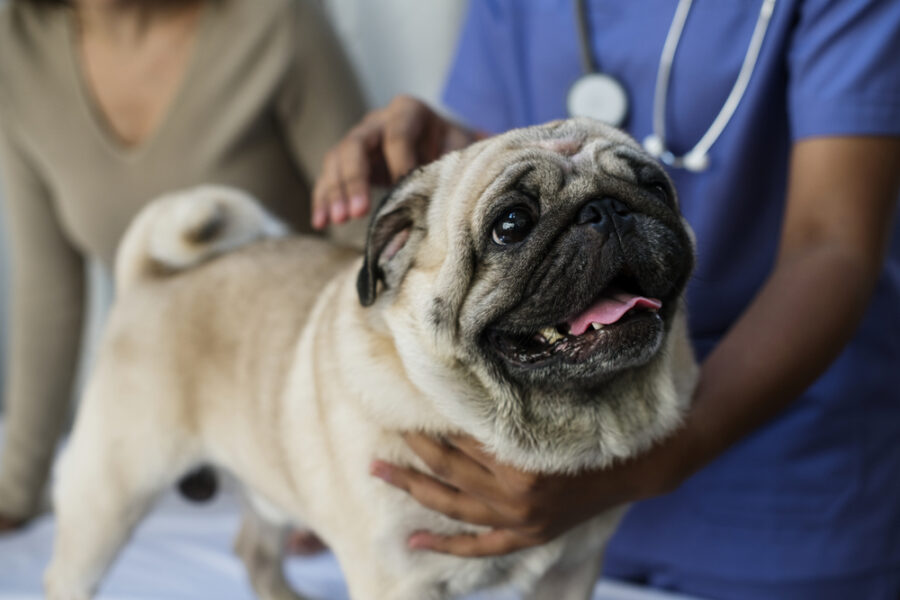
Brachycephalic dog breeds, with their adorable flattened faces, often capture the hearts of their parents with their unique appearance. However, these breeds have to face a set of respiratory challenges that can complicate their perioperative management. A recent study has brought forward a promising approach to improve the general anesthesia recovery phase for these special breeds: the application of continuous positive airway pressure (CPAP) using a pediatric helmet.
Study Details
In this study, 64 brachycephalic dogs undergoing various surgical procedures were randomly assigned to receive either standard oxygen supplementation or oxygen supplementation combined with CPAP. The results were striking: dogs in the CPAP group exhibited significant improvements in arterial blood oxygen levels, oxygen saturation, and related respiratory parameters compared to those in the standard oxygen supplementation group. Notably, the incidence of reintubation and helmet intolerance was significantly lower in the CPAP group.
The benefits of CPAP in improving oxygenation during the recovery phase cannot be overstated, particularly in brachycephalic breeds with their unique respiratory anatomy. By providing continuous positive airway pressure, CPAP helps to keep the airways open and maintain adequate oxygen levels, reducing the risk of respiratory complications and the need for reintubation.
Pediatric Helmet
Moreover, the use of a pediatric helmet as the delivery method for CPAP adds another layer of innovation to this approach. The helmet ensures a secure and comfortable fit, minimizing the risk of intolerance and facilitating effective oxygen delivery. This novel application of CPAP technology holds great promise for improving the perioperative management of brachycephalic dogs undergoing surgical procedures.
However, while the results of this study are promising, further investigations and larger-scale studies are required to validate and generalize these findings. By expanding our understanding of the benefits of CPAP in brachycephalic breeds, we can enhance the quality of care for these beloved canine companions. As we continue to explore and refine this approach, we move closer to providing optimal care for brachycephalic breeds undergoing surgical procedures.