

Professional veterinary practice requires clear, observable descriptions of pet behaviors. Instead of relying on subjective terms like “anxious” or “aggressive,” document specific actions. A dog pacing while whining tells more than labeling them “stressed.” This precision enables accurate assessment and targeted interventions across the veterinary team.
Establishing Measurement Parameters
Create consistent tracking systems through detailed behavior logs. Record incident timing, triggers, observable actions, and outcomes. Implement frequency counts for specific behaviors. Use intensity scales from 1-5 with predetermined definitions. These measurements provide concrete data for treatment evaluation.
Alternative Behavior Recognition
Train pet owners to identify and record positive alternative behaviors. A cat using scratching posts represents success over furniture scratching. When dogs maintain four paws on floors during greetings, mark this achievement. These records counteract natural negative observation bias.
Progress Tracking Methods
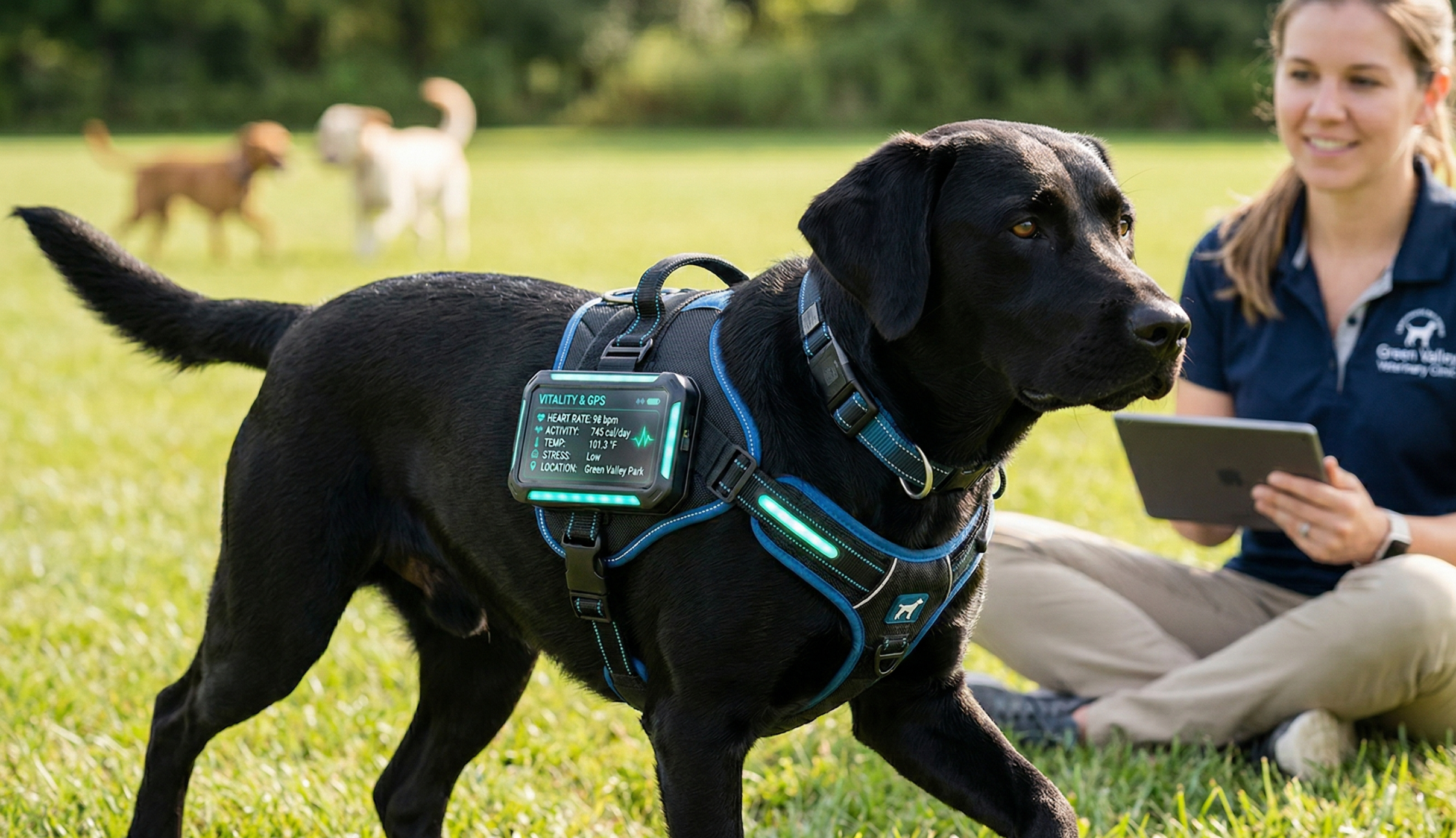
Implement systematic monitoring approaches through daily logs, weekly summaries, or periodic assessments. Document behavior latency, duration, and intensity changes. Track improvements in measurable increments. Note environmental factors affecting behavioral responses.
Data-Driven Treatment Adjustments
Regular monitoring reveals treatment effectiveness patterns. Analyze frequency changes, intensity variations, and duration modifications. Use this information to adjust medication dosages, training protocols, or environmental management strategies.
Transforming behavioral observations into measurable data strengthens veterinary behavior medicine. This approach enables evidence-based decisions, validates interventions, and demonstrates progress to clients. Through systematic monitoring, veterinary professionals deliver more effective behavior modification programs