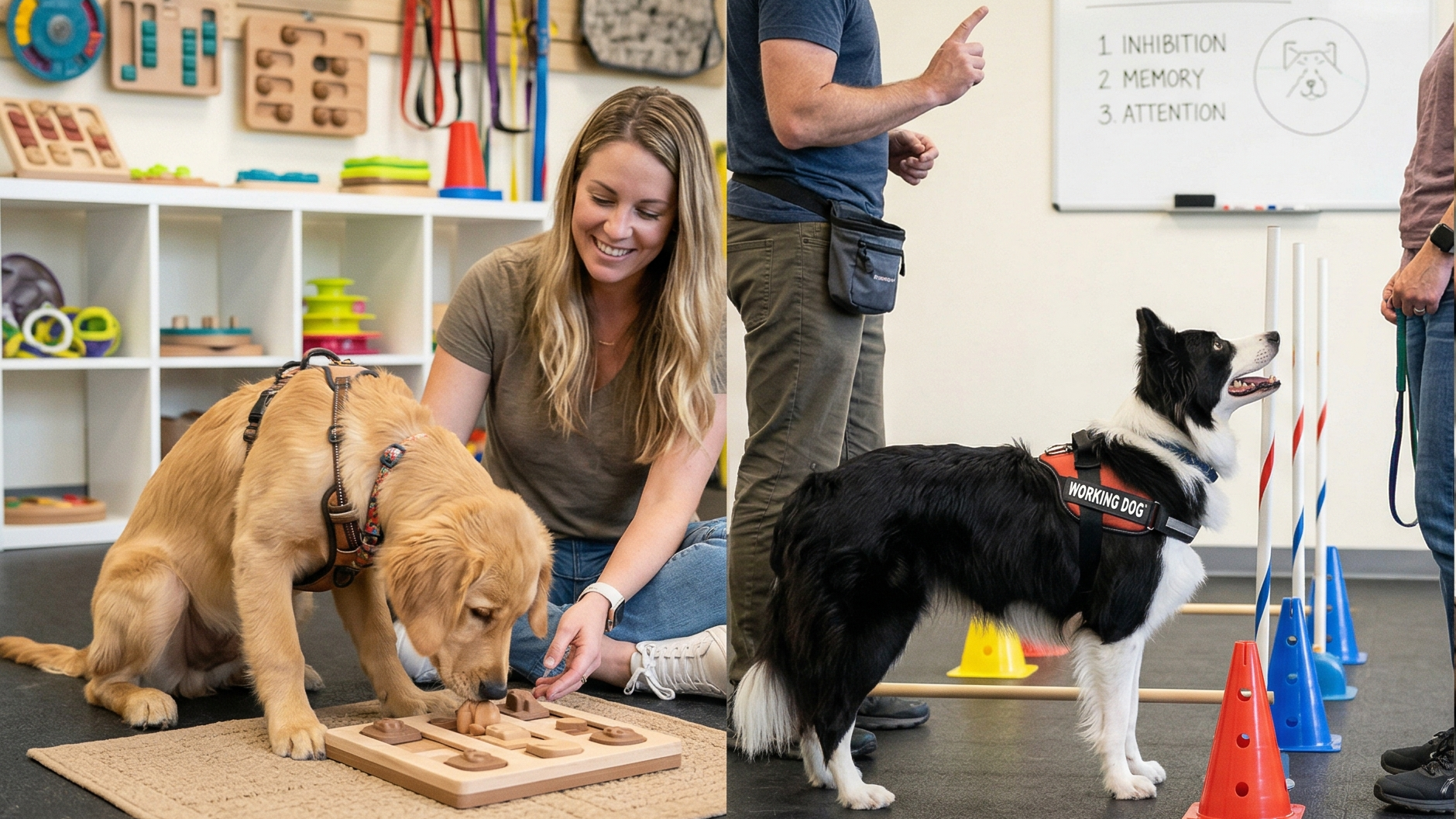


Aggressive behavior in working dogs presents challenges for veterinary professionals, especially when dealing with canine aggression. Understanding this behavior requires a thorough study of its underlying factors. Recent research highlights the relationship between gut microbiota, neurotransmitters, and aggression. This study uniquely categorized aggression into offensive and defensive types, paving the way for targeted interventions.
Key Findings on Gut Microbiota and Aggression
The study analyzed 56 working dogs across different breeds and regions in China to better understand canine aggression. Researchers assessed aggressive behavior using a C-BARQ questionnaire. They conducted 16S rRNA sequencing to explore gut microbiota differences. The researchers found no significant correlation between aggression and gut microbiota composition. However, the non-aggressive group had higher levels of certain bacteria (Escherichia-Shigella, Erysipelotrichaceae_UCG-003, and Clostridium_sensu_stricto_1) compared to the aggressive group. This raises questions about the role of gut health in managing aggression.
Serotonin Levels and Aggression
Neurotransmitter analysis revealed significant findings regarding canine aggression. Serum serotonin levels were markedly lower in defensive and offensive aggression groups compared to non-aggressive dogs. This connection suggests that serotonin plays a critical role in canine behavior. Monitoring serotonin levels could become a practical tool for assessing aggression.
Integrative Treatments and Management Strategies
Veterinary professionals can integrate various alternative treatments for canine aggression. Behavioral modification techniques, such as positive reinforcement training, help address aggression. Incorporating environmental enrichment can also reduce stress and promote positive behavior. Nutritional adjustments, including probiotics with certain bacterial strains, might improve gut health and, in turn, behavior. Regular exercise remains vital for managing aggression. Engaging dogs in physical activities reduces anxiety and promotes overall well-being.
The Path Forward: A Proactive Approach
Veterinary professionals should focus on early diagnosis and intervention to effectively manage canine aggression. Understanding the distinct behavioral phenotypes of aggressive dogs can lead to effective strategies. By monitoring serotonin and gut microbiota, professionals can develop tailored management plans. This proactive approach could prevent aggression before it manifests.
Veterinarians have the tools to make a significant impact on canine aggression. This research opens new doors for effective management and treatment strategies.