
If you’ve noticed your cat constantly licking the same spot or found bald patches on their belly or legs, you’re dealing with a problem called over-grooming. This behavior is more common than many cat parents realize, and understanding it is the first step toward helping your feline friend feel better.
What Is Over-Grooming?
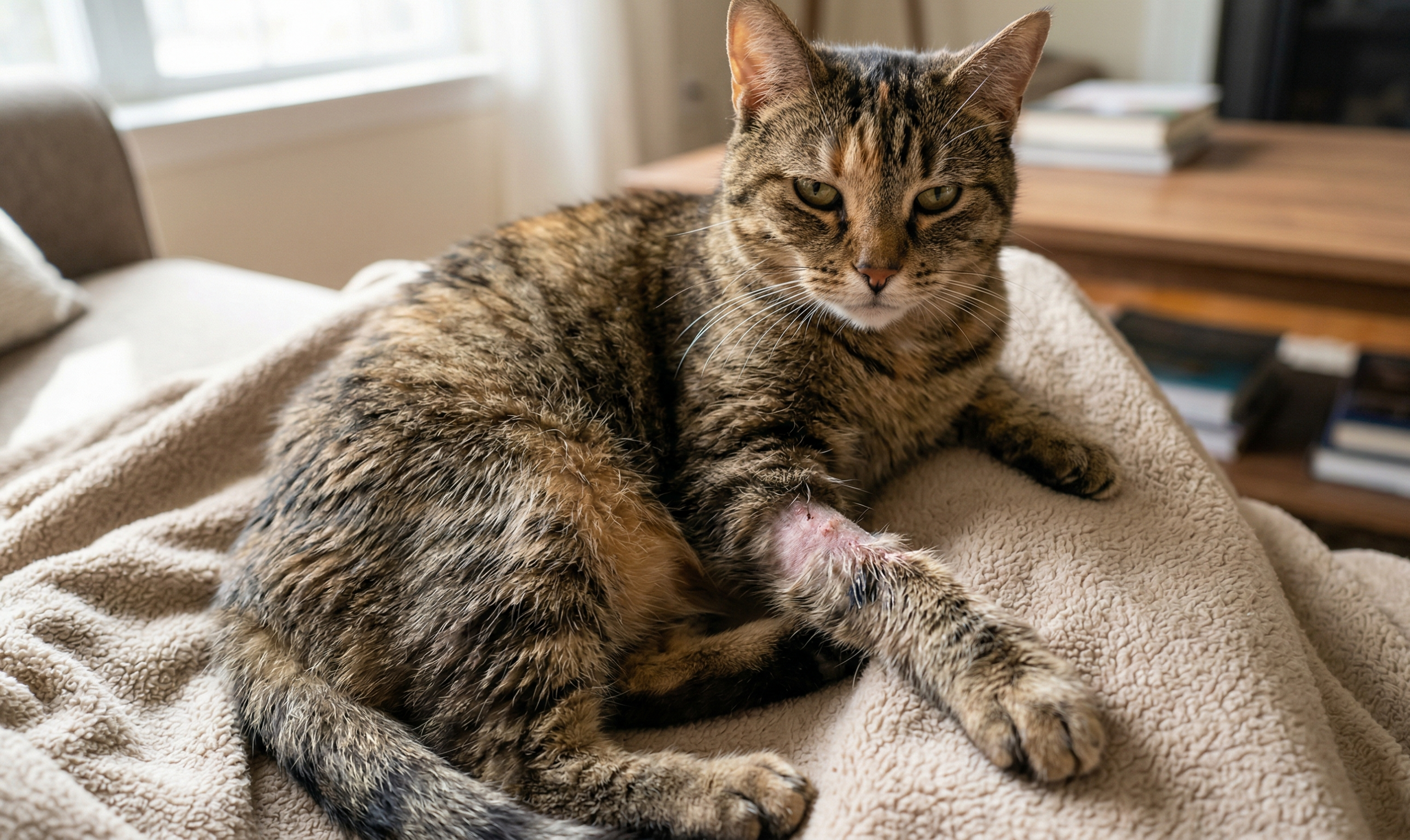
Over-grooming happens when cats take their natural cleaning habits too far. While all cats groom themselves daily, some develop excessive licking, chewing, or scratching behaviors that damage their skin and fur. You might notice bald patches appearing on your cat’s belly, inner thighs, back, or legs. The affected areas often look red and irritated, and the skin might feel rough or appear inflamed.
Why Do Cats Over-Groom?
Several factors can trigger this behavior. Sometimes it starts with a physical problem like allergies, fleas, or skin irritation. Your cat begins licking to soothe the discomfort, but the behavior continues even after the original problem is gone. In other cases, stress and anxiety play a major role. Changes in your home environment, like moving, new family members, or different routines, can make some cats anxious enough to start over-grooming.
Medical conditions can also cause similar symptoms. Certain skin diseases, hormonal imbalances, or even pain from other health issues might lead to excessive grooming behaviors.
Warning Signs to Watch For
Pay attention if your cat spends significantly more time grooming than usual. Look for areas where the fur appears thin or completely missing. The skin underneath might look bright red, have small bumps, or seem moist and irritated. Some cats become so focused on grooming that they ignore playtime or seem restless and agitated.
What Should You Do?
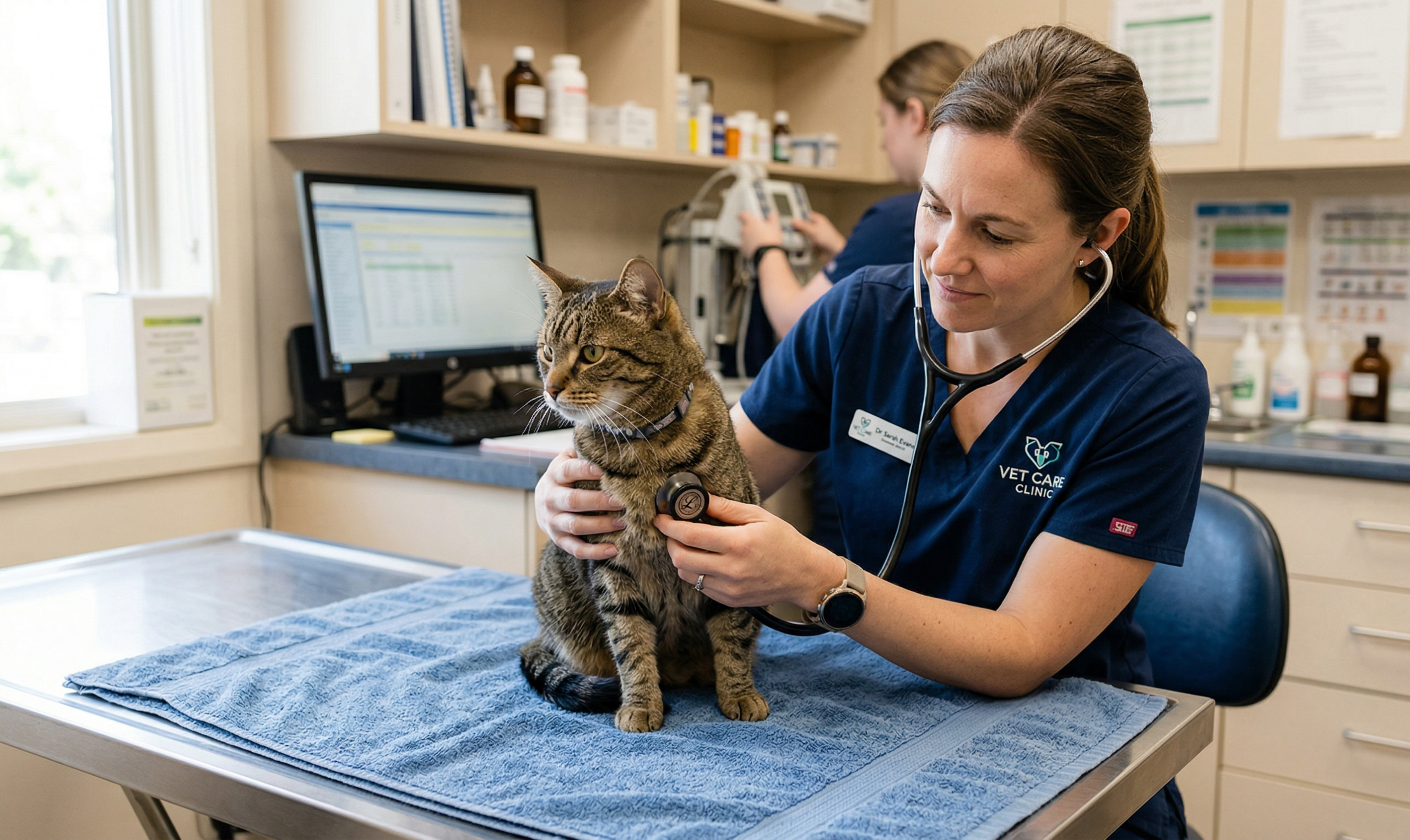
The most important step is scheduling a visit with your veterinarian. They can examine your cat thoroughly to rule out medical causes like skin allergies, parasites, or underlying diseases. Your vet might recommend tests to understand what’s triggering the behavior.
Note that what looks like a simple grooming issue could actually be a sign of something more serious requiring professional treatment.
Over-grooming can be managed successfully with proper veterinary care. Treatment might include medication, environmental changes to reduce stress, or a combination of approaches. With patience and your veterinarian’s guidance, most cats show improvement over time.
Remember, you’re not alone in dealing with this challenge. Reach out to your veterinarian for a professional evaluation and personalized treatment plan for your cat’s specific situation.