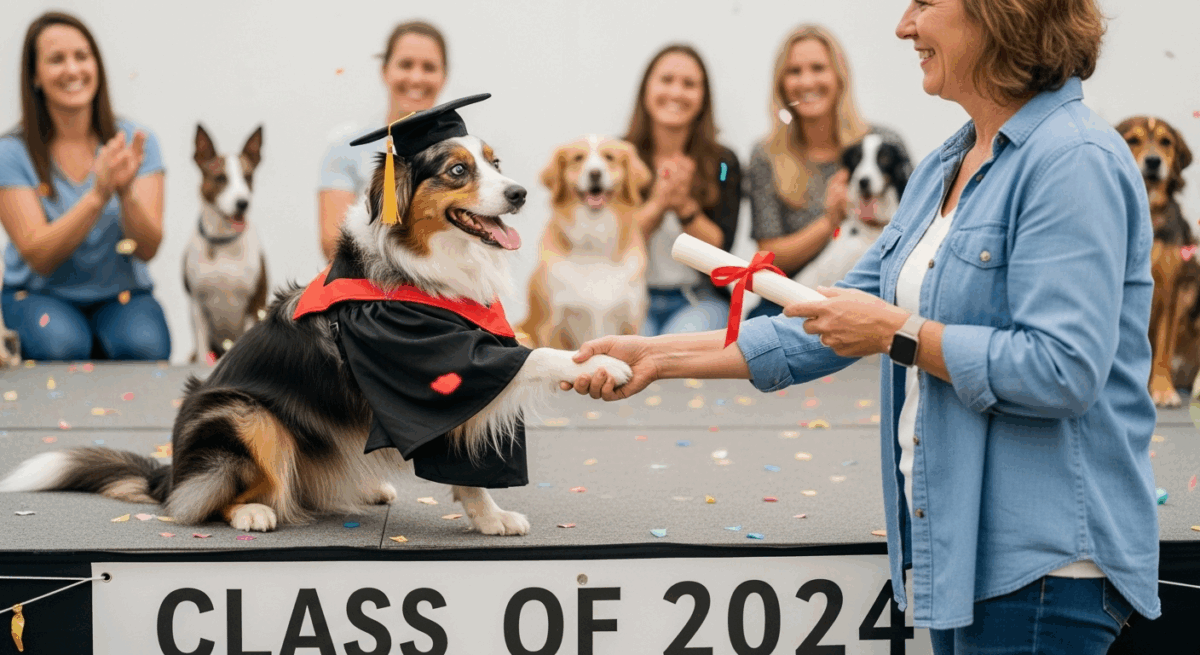
Recent research reveals remarkable insights into how dogs process language. Scientists studied seven exceptional dogs who learned toy names through daily play interactions. These dogs showed advanced understanding beyond simple word memorization.
Function Over Form
The relationship between language and human thought is debated, particularly regarding how language influences object categorization. While early language use aids perceptual categorization, toddlers later prioritize object function over mere visual similarities. Dogs have demonstrated an ability to generalize labels based on functional use during natural interactions, highlighting their capacity for functional classification beyond perceptual features. This finding sheds light on the evolution of language-related skills and their connection to cognitive abilities.
Dogs associate words with objects based on how they use them, not how they look. A Border Collie will recognize “fetch” toys regardless of their appearance. This mirrors how children learn language through object purpose.
Natural Learning Through Play
Daily play sessions create the perfect environment for language development. Dogs learn labels naturally through consistent interactions with their families. Simple games strengthen both physical exercise and mental development.
Approaches to Enhance Learning
Support your dog’s cognitive development through these natural methods:
- Establish consistent naming patterns during playtime
- Rotate different toys with similar functions
- Practice short, focused training sessions
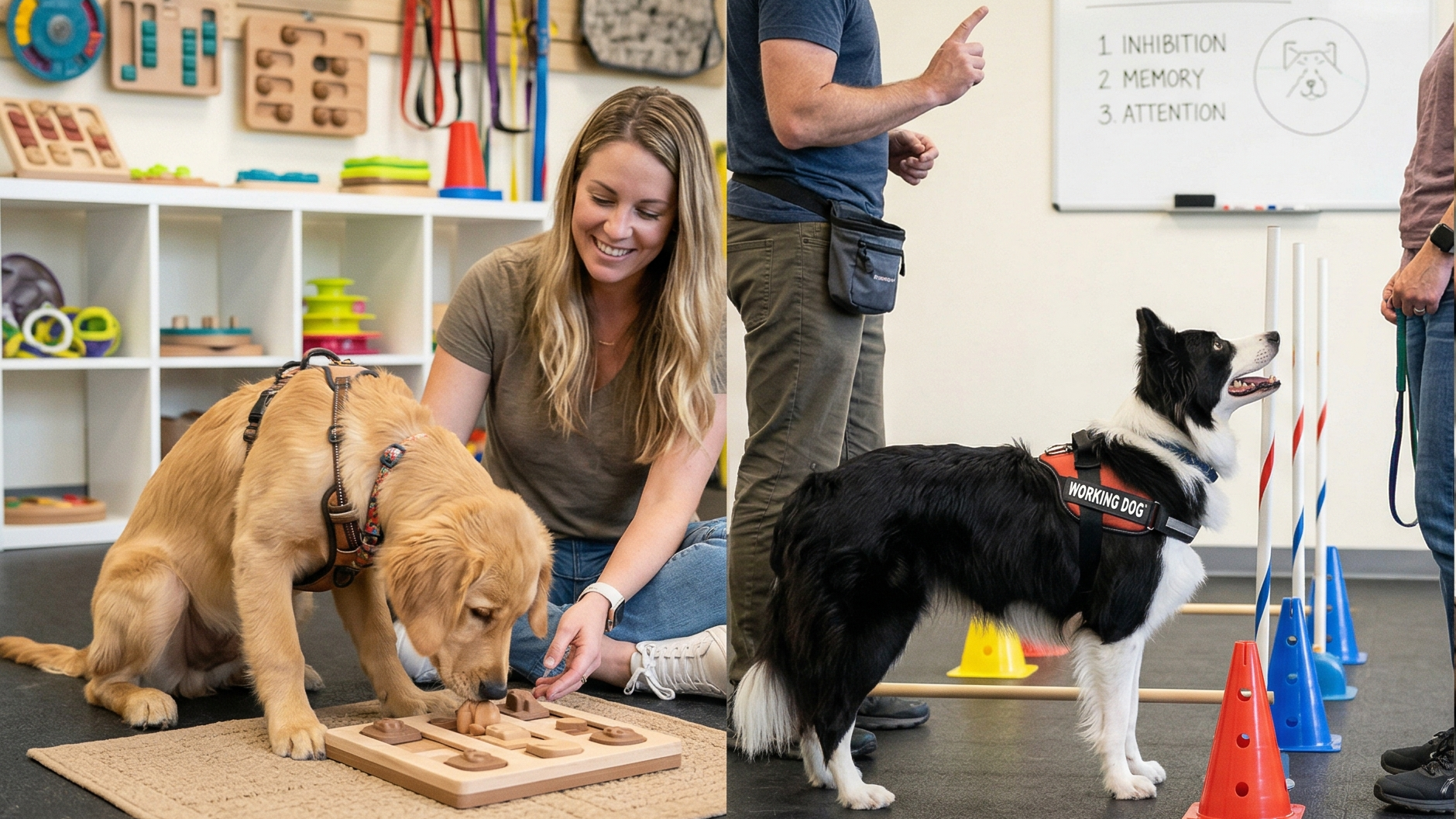
- Include mental stimulation games
- Maintain regular exercise routines
- Provide balanced nutrition rich in omega-3 fatty acids
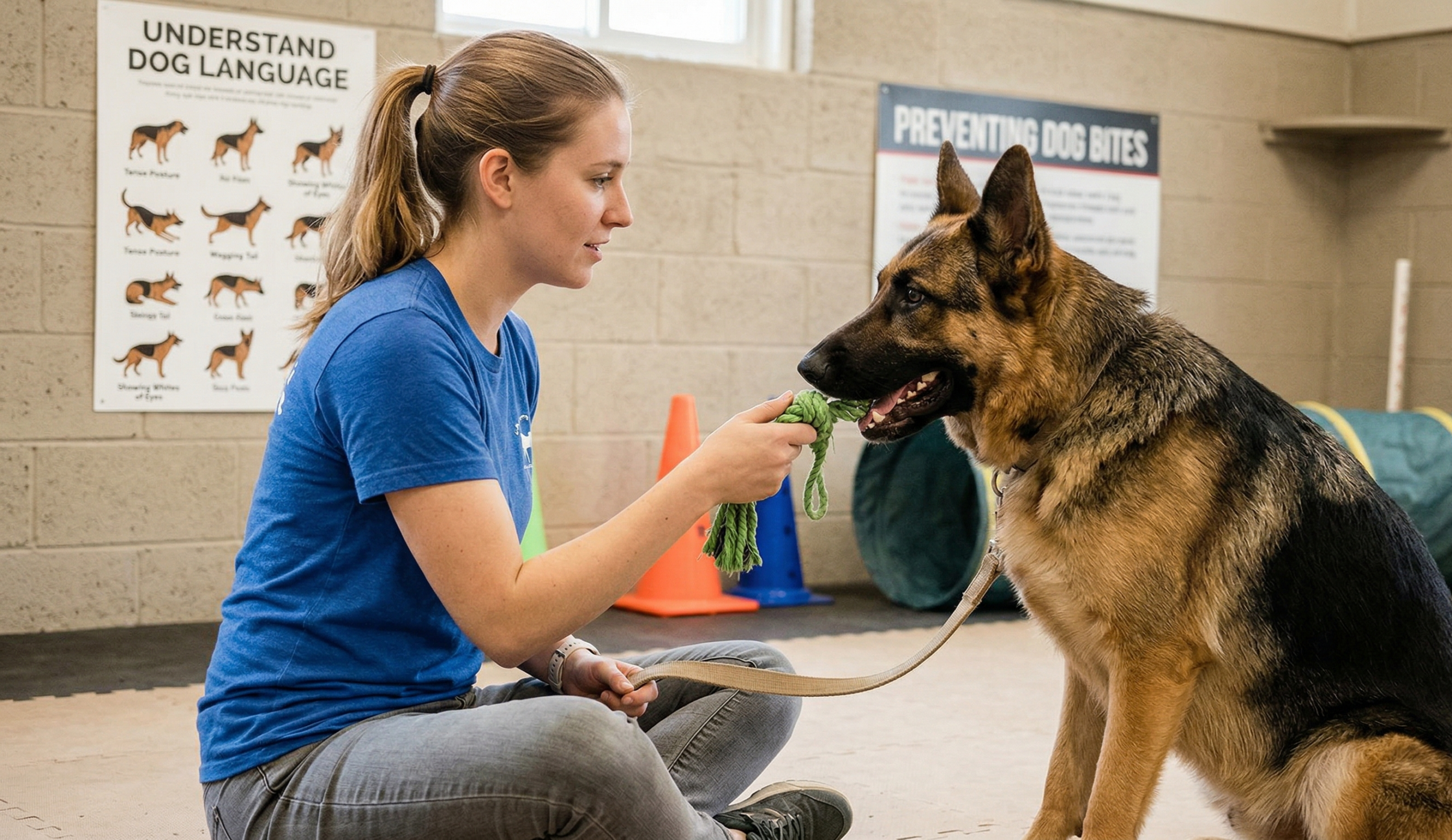
Start with simple commands linked to specific actions. Name toys based on their purpose: “tug,” “fetch,” or “roll.” Reward successful responses with praise and treats. Practice regularly but keep sessions short.
Transform everyday moments into learning opportunities through strategic approaches. Start morning walks with consistent verbal cues for different activities. Label walking speeds as “stroll” or “march.” Incorporate different textured toys during training sessions. Schedule dedicated learning periods between meal times when dogs maintain peak attention. Mix familiar toys with new ones sharing similar functions.
Consider puzzle feeders to combine mealtime with mental stimulation. Structure play sessions around specific verbal commands. Monitor progress through simple record-keeping of new words learned. Remember individual dogs learn at different paces – celebrate small victories along the learning journey. Create a positive, stress-free environment during training periods.
Dogs possess remarkable language abilities, understanding words through function rather than appearance. Through consistent practice and positive reinforcement, families strengthen their communication bonds with their dogs.