
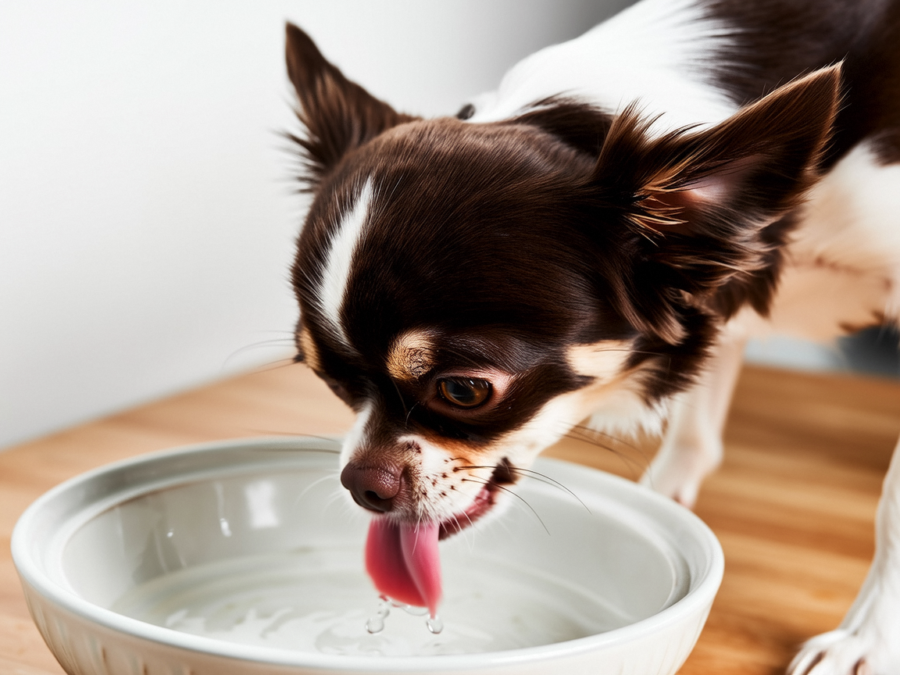
As a devoted caretaker of your furry friend, ensuring their health and safety is a top priority. While we often focus on nutrition and exercise, one crucial aspect that usually goes overlooked is the cleanliness of the water bowl.
Recent research from Hartpury University reveals startling findings about the bacteria lurking in everyday items, providing valuable insights every dog parent needs to know.
The Bacterial Breeding Ground
Water bowls, especially those made from plastic and ceramic, serve as breeding grounds for harmful bacteria such as E. coli, Salmonella, and MRSA.
This study reveals a sobering reality: the materials used in your dog’s water bowl significantly influence the presence of these life-threatening germs. Unlike stainless steel, which shows resistance to bacterial growth, plastic and ceramic bowls allow dangerous microbes to flourish.
Signs Your Dog’s Bowl Might Be Contaminated
It’s not always easy to see harmful bacteria, but there are warning signs you shouldn’t ignore. If your dog suddenly avoids drinking water, it might be due to an unpleasant taste or smell caused by a dirty bowl.
You may notice a slimy layer called biofilm forming inside the bowl—this is a clear sign of bacterial buildup. Stains, residue, or a foul odor also indicate contamination. If your dog experiences stomach upset or frequent infections, it could be linked to their water source. Regular inspection and cleaning help prevent these health risks.
How Often Should You Replace Your Dog’s Bowl?
Even with good cleaning habits, your dog’s water bowl won’t last forever. Over time, bowls—especially plastic ones—can develop scratches, cracks, or chips that can trap bacteria and be difficult to clean thoroughly.
These hidden spots become perfect homes for harmful germs. If you notice deep scratches or stains that won’t come off, it’s a sign the bowl needs to be replaced.
As a general rule, consider changing plastic bowls every few months and checking ceramic ones for cracks regularly. Stainless steel bowls tend to last longer, but they should still be inspected for dents or rust.
Hidden Dangers of Outdoor Water Bowls
Leaving your dog’s water bowl outside might seem convenient, but it comes with serious risks. Outdoor bowls are easily exposed to dust, insects, fallen leaves, and even bird droppings—all of which can contaminate the water.
Sunlight can also accelerate the growth of algae and bacteria, particularly during warm weather. Standing water becomes a breeding ground for mosquitoes and parasites. Wildlife may also drink from or tamper with the bowl, adding further risk.
If you must use outdoor bowls, change the water frequently and clean the bowl daily to keep your dog safe.
The Importance of Regular Cleaning
A key takeaway from this research is the critical role regular cleaning plays in reducing bacterial contamination. Over time, bacteria levels in water bowls increase, posing significant health risks to both dogs and humans.
It’s not just about filling the bowl with fresh water; incorporating a thorough cleaning routine is essential. Consider washing the bowl daily with hot, soapy water, and don’t forget to let it air dry completely to ensure all bacteria are eliminated.
Understanding Zoonotic Diseases
The connection between human and canine health is not to be overstated. Aisling Carroll, the lead researcher, emphasizes the growing concerns surrounding zoonotic diseases—those that can transfer from animals to humans.
As our furry companions become integral members of our families, the risk of transmission of harmful bacteria increases. This underscores the importance of maintaining not only the cleanliness of water bowls but also the overall hygiene of your home.
Choosing the Right Bowl Material
When selecting a water bowl for your dog, consider opting for one made of stainless steel. This material not only resists bacterial growth but is also easier to clean and maintain.
If you prefer ceramic, opt for high-quality options that are less porous and more resistant to bacteria. Investing in the right materials can significantly reduce health risks for both your furry friend and your household.
Taking simple steps to ensure the cleanliness of your dog’s water bowl can make a world of difference in preventing harmful bacteria. Understanding the risks and adopting better practices can help you protect not only your furry friend but also your family.
FAQs:
How often should I wash my dog’s water bowl?
It’s best to wash your dog’s water bowl daily using hot, soapy water. This prevents bacteria buildup and keeps your pet’s water fresh and safe.
What is the safest material for a dog’s water bowl?
Stainless steel is the safest and most hygienic option. It resists bacteria, doesn’t scratch easily, and is easy to clean.
Can a dirty water bowl make my dog sick?
Yes, contaminated bowls can harbor bacteria like E. coli and Salmonella, which may lead to stomach upset, infections, or even serious illness in dogs.
How do I know if my dog’s water bowl has biofilm?
Biofilm feels like a slimy layer on the inside of the bowl. It’s usually clear or slightly cloudy, which is a sign that bacteria are growing.
Are ceramic bowls suitable for dogs?
High-quality, non-porous ceramic bowls are okay if they are cleaned daily and checked regularly for cracks. Avoid cheap or chipped ones as they can harbor bacteria.
Final Words
Your dog’s health and happiness start with the basics, and clean water is one of the most important. A simple daily habit of washing your pet’s water bowl can help protect them from serious illnesses. Choose safe materials like stainless steel, stay alert for signs of contamination, and be mindful of outdoor water bowls. These small actions go a long way in keeping your furry friend healthy, hydrated, and safe. Clean bowl, happy pup!