Skin cancer in dogs can be difficult to spot, and dogs cant tell you when something is wrong. Skin cancer in dogs can also be dangerous: its hard to detect, it grows quickly, and it can do major damage before you even know its there.
The good news is that this disease isnt as common in dogs as it is in people, and early detection can make treatment more effective. Thats why its important to know the warning signs and check your dog regularly.
CAN DOGS GET SKIN CANCER AND WHAT CAUSES IT?
Canine skin cancer is a real disease, and several things can cause it, including:
- Exposure to ultraviolet radiation
- Viruses
- Genetics
- Hormones
- Certain chemicals
Most dog breeds have a sufficient amount of fur to protect them from the sun, but shorthaired and hairless dogs are at a much higher risk. A dog sunscreen is recommended for short-haired and hairless breeds to reduce the risk of excessive sun exposure.
WARNING SIGNS TO LOOK FOR
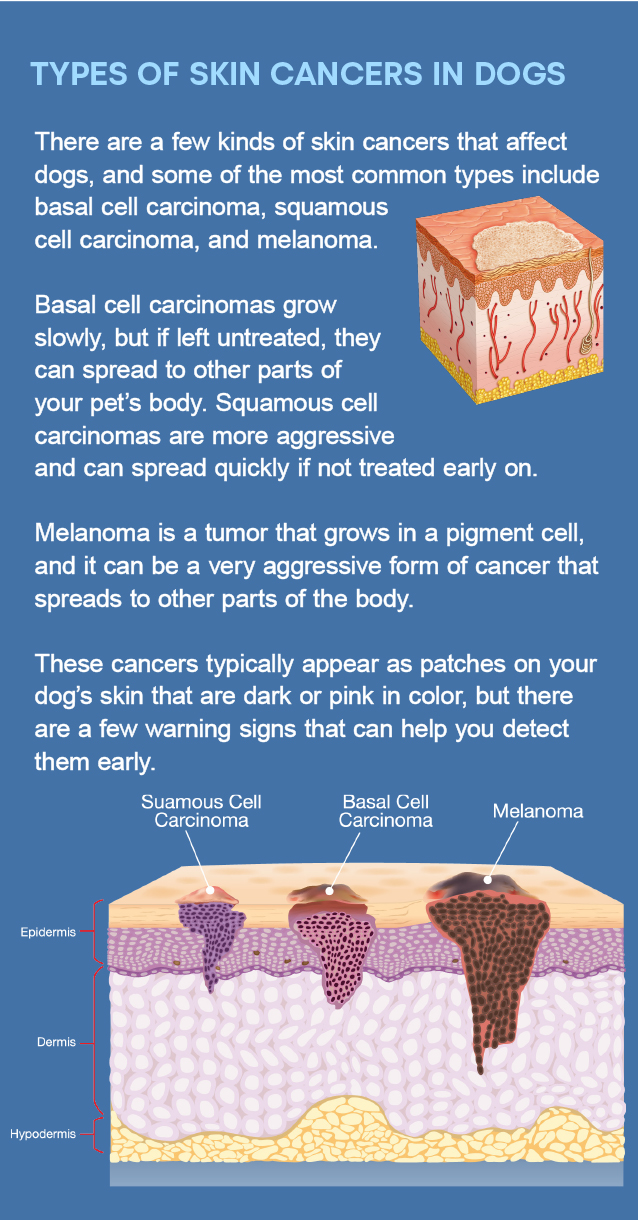
What does skin cancer look like on a dog? The most common warning signs of skin cancer in dogs include:
- Redness, irritation, or scabs on the skin (this may be accompanied by hair loss)
- Lumps or bumps on the skin
- Pus from the skin
- Skin that is scaling or flaking off in large amounts (which can cause pain and discomfort)
Its a good idea to check your dog regularly for these signs so that a possible cancer can be diagnosed and treated early.
IF YOU THINK YOUR DOG HAS SKIN CANCER, DONT WAIT TO VISIT THE VET
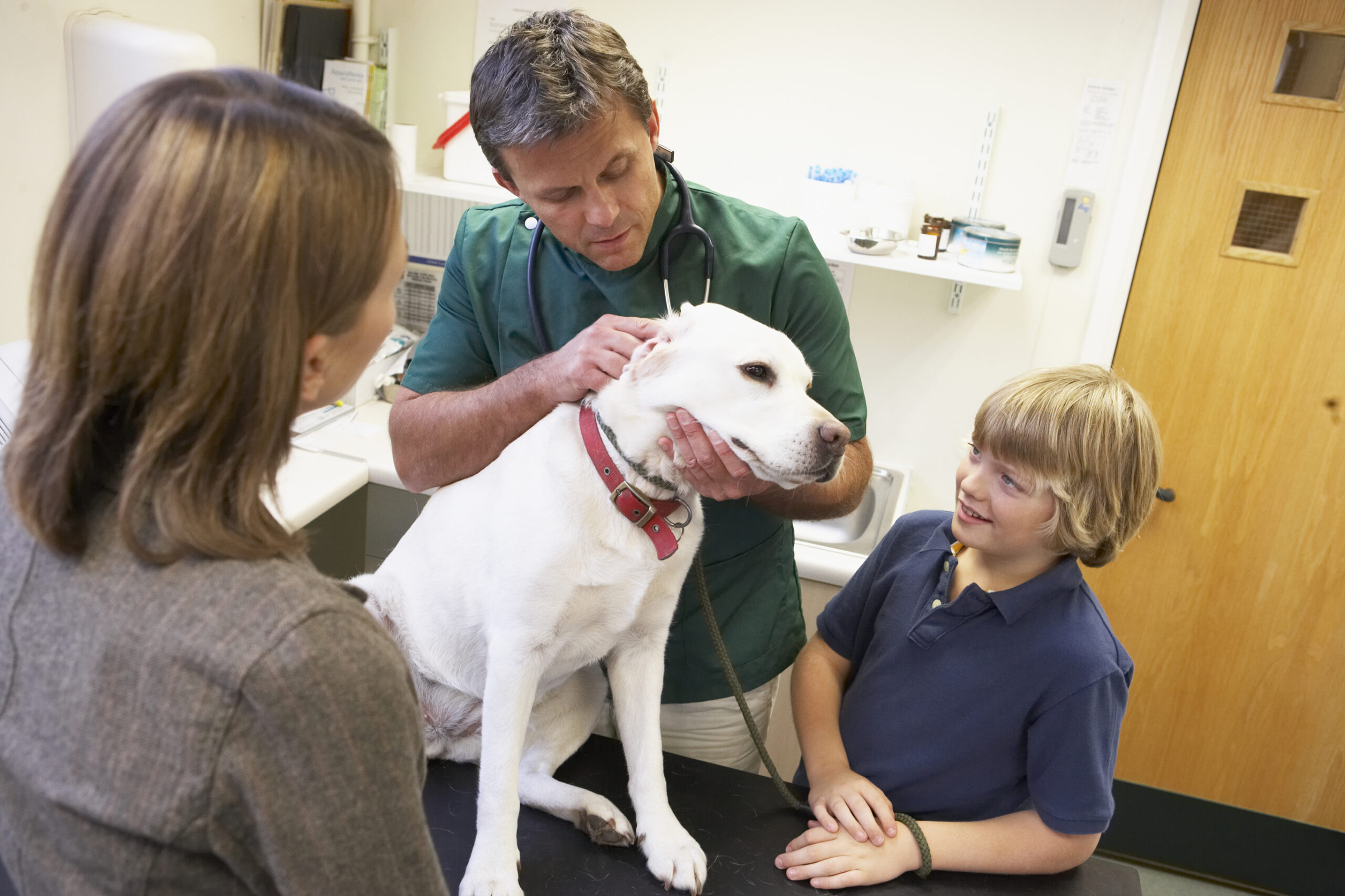
Get your dog to the vet as soon as possible if you suspect she has skin cancer. The sooner the cancer is detected, the more effective the treatment will be. Conversely, the longer you wait, the more difficult it will be to treat, and the more likely it is that the cancer will metastasize (spread).
If your veterinarian notices a suspicious lesion or growth on your dogs skin, theyll perform a biopsy and send it for analysis. Your veterinarian will also discuss possible treatments, which can include surgery, radiation therapy, and chemotherapy.
[su_button url=”https://facebook.com/AnimalWellnessMagazine” target=”blank” style=”flat” background=”#ec1419″ color=”#ffffff” size=”8″ wide=”yes” center=”yes” radius=”0″ text_shadow=”0px 0px 0px #000000″]Visit our Facebook page for more great content![/su_button]