
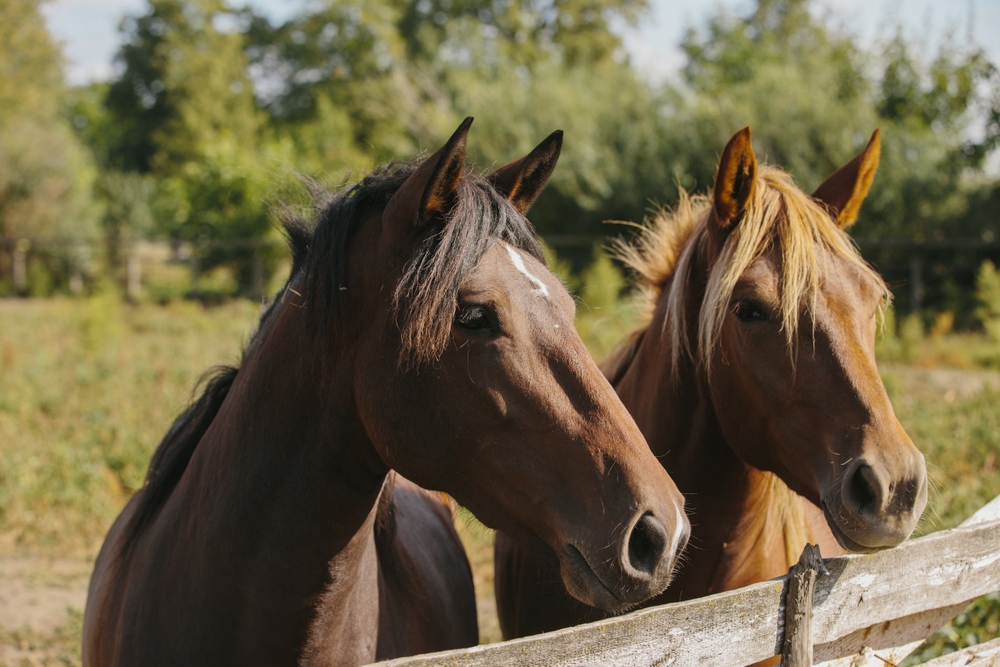
Biosecurity plays a critical role in protecting the United States horse industry from infectious disease outbreaks. Maintaining a high level of biosecurity is essential for the health and welfare of our equine companions, and a recent study sheds valuable light on the current understanding and practices of horse owners across the country.
Understanding the Landscape
The researchers conducted a comprehensive survey to assess horse owners’ knowledge and implementation of biosecurity measures. By gathering data from over 2,400 respondents across different regions and horse-use categories, the study provides a holistic view of the industry’s biosecurity landscape.
Identifying Gaps and Opportunities
The survey results revealed significant differences in biosecurity practices among horse owners, depending on their geographic location and the intended use of their horses. These findings highlight the need for targeted educational efforts to address specific gaps and ensure all horse owners are equipped with the knowledge and resources to protect their animals.
The Role of Veterinarians
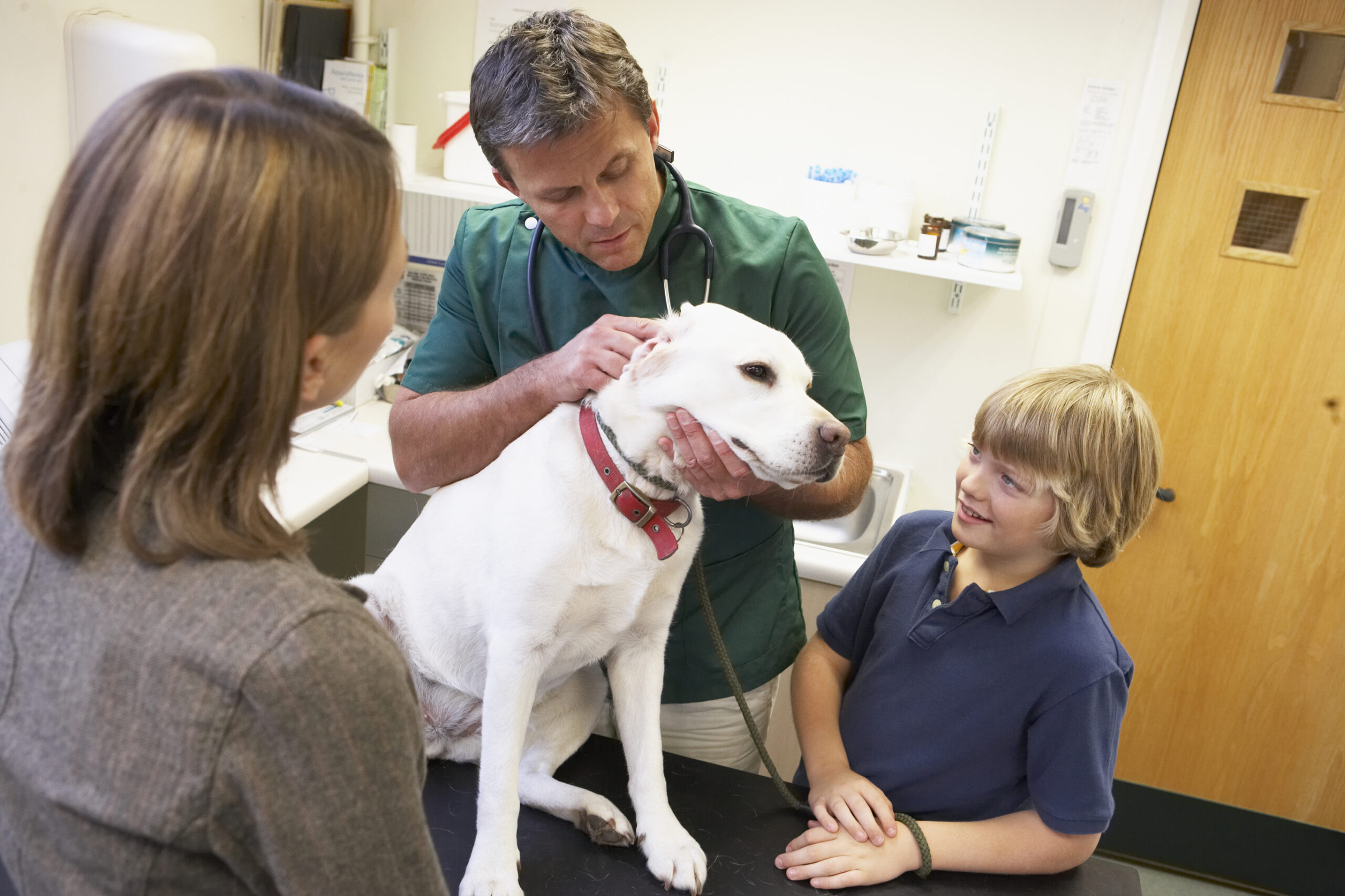
The study emphasizes the critical role veterinarians play in providing horse owners with medical information and guidance on biosecurity practices. As the most trusted resource for owners, veterinarians have a unique opportunity to help establish effective biosecurity plans for individual facilities and events.
Preferred Channels for Education
According to the survey results, horse owners prefer to receive educational information about diseases and biosecurity through online platforms, such as industry websites. By leveraging these preferred channels, the equine industry can more effectively disseminate crucial biosecurity knowledge and best practices to the horse-owning community.
Implementing Effective Biosecurity Measures
The survey identified several key biosecurity techniques that horse owners can implement to enhance the health and welfare of their animals. These include temperature monitoring, isolation of new horses, understanding the risks of horse mingling, and having comprehensive biosecurity plans for facilities and events.
Tailoring Biosecurity Recommendations
Given the differences in biosecurity practices observed across various horse-use categories and geographic regions, it’s clear that a one-size-fits-all approach will not be effective. By targeting specific disciplines, breeds, and regions, the equine industry can provide more relevant and impactful biosecurity guidance.
Embracing the Future of Equine Health
By applying the insights from this study, we can work collaboratively with horse owners to strengthen biosecurity practices and safeguard the future of the equine industry. By prioritizing biosecurity, we can ensure the well-being of our equine companions and maintain the integrity of this beloved and essential industry.