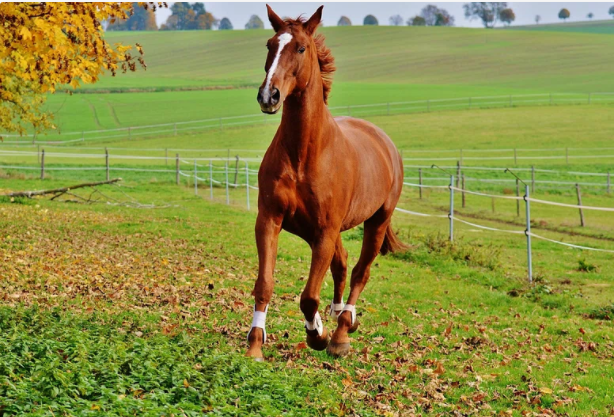
Comprehensive equine gait analysis requires hours of horse instrumentation, specialized equipment, and expert interpretation. Traditional motion capture systems demand extensive setup time, ranging from 2-3 hours per animal. The process exhausts both horse and handler while consuming valuable clinic resources.
These conventional methods create barriers to routine lameness screening. Many practitioners avoid comprehensive gait analysis due to time constraints and equipment costs. Horses suffer delayed diagnoses, and clients face unnecessary treatment delays.
Breakthrough Technology Transforms Diagnostic Speed
Neural network technology now eliminates instrumentation requirements entirely. Multiple cameras capture video footage while artificial intelligence identifies anatomical landmarks automatically. The system tracks fetlocks, joints, and movement patterns without touching the horse.
Processing time drops dramatically compared to traditional methods. One minute of video data from ten cameras produces complete results within ten minutes. The musculoskeletal model generates joint angles, stride measurements, and comprehensive motion data rapidly.
Accuracy remains impressive. Most joint angle calculations fall within ten degrees of traditional system measurements. This precision level supports confident clinical decision-making for lameness evaluation.
Clinical Applications Transform Practice Efficiency
Routine lameness screening becomes practical for every examination. Quick video capture replaces lengthy instrumentation procedures, reducing appointment duration significantly. Horses experience less stress without attached sensors and equipment.
Sports medicine applications expand dramatically with accessible technology. Performance monitoring becomes routine rather than exceptional. Training adjustments happen faster when movement data arrives within minutes instead of hours.
Alternative Management Approaches for Lameness
Targeted physical therapy addresses specific gait abnormalities identified through video analysis. Controlled exercise programs modify based on precise joint angle measurements and stride characteristics.
Nutritional interventions support joint health when motion analysis reveals early degenerative changes. Anti-inflammatory protocols become more precise when guided by objective movement data.
Acupuncture treatments target specific areas showing movement compensation patterns. Manual therapy focuses on regions displaying restricted range of motion.
Environmental modifications reduce lameness progression when video analysis identifies problematic movement patterns. Footing adjustments and turnout management become data-driven decisions.
Regular monitoring prevents minor issues from becoming major problems. Early intervention saves both horses and clients from extensive treatment protocols.