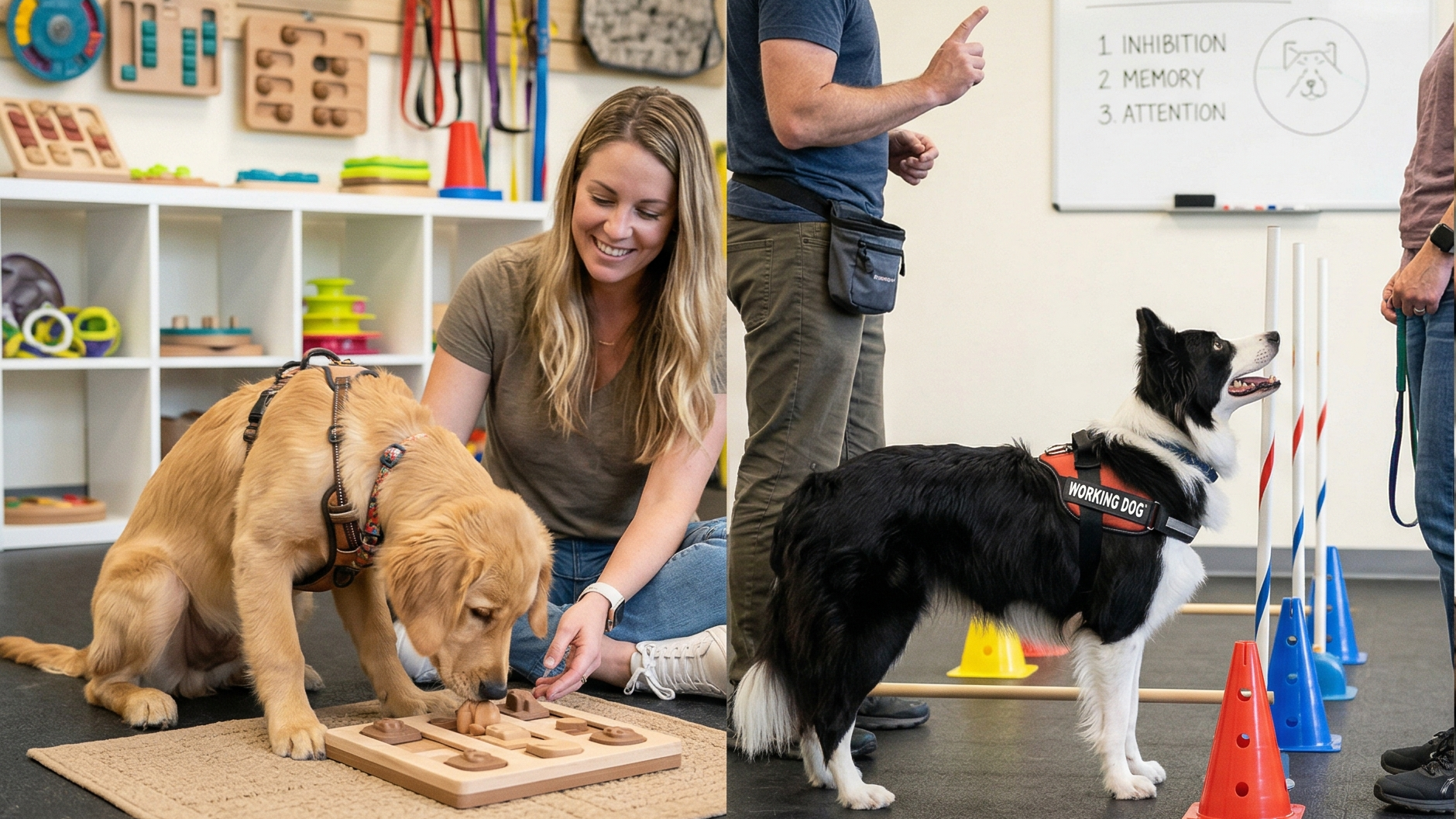

Aromatherapy applications in the canine can enhance focus, cognition, and mental stimulation. They can also create calmness, peacefulness, and relaxation, depending on the individual constituents of an essential oil.
A dog’s nasal canal contains approximately 100,000,000 sensory receptors, and the processing area of a dog’s brain is thought to be 40 times larger than a human’s. Once a molecule of essential oil enters the nasal canal, it is intercepted by tiny receptors, then absorbed into the bloodstream and carried to the limbic area of the brain. The limbic region is primarily composed of the hypothalamus, hippocampus, and amygdalae. It is here that emotions and memory are processed, and the regulation of autonomic or endocrine functions occurs. In addition, behaviors are reinforced by the actions of these parts of the brain.
Essential oils are unique in that they can effectively cross the blood-brain barrier, unlike many synthetic drugs and medications. A pure, unadulterated essential oil also contains a distinctive vibrational frequency and is considered by many to be a living entity. These characteristics have the potential to create positive effects for dogs afflicted with various neurological disorders, cognitive dysfunction, fear aggression, separation anxiety, and training challenges.
Oils high in sesquiterpene compounds have a calming and soothing effect on the canine brain when inhaled and/or applied topically. Their potential use as anxiolytic, grounding, and emotionally stabilizing agents is significant when a client desires an alternative to conventional medications for undesirable behaviors and actions. Oils high in sesquiterpenes include:
• Cedarwood
• Myrrh
• Patchouli
• Vetiver
• Sandalwood
• German chamomile
• Ginger
• Spikenard
• Blue cypress
• Ylang ylang
Pure, unadulterated essential oils are safe and effective choices for creating a calmer, more peaceful dog, thanks to their positive effects on the emotional center of the brain.