

Aging in dogs brings unique challenges, particularly regarding emotional health. Recent studies highlight a connection between immune markers and personality traits in senior dogs. Understanding these dynamics can enhance veterinary practices and improve the quality of life for aging canines.
The Role of Inflammation in Aging
Chronic low-grade inflammation significantly affects older dogs. Research shows that immune markers like TNF-α and IL-10 associate with fear and anxiety traits. These findings suggest a biological basis for emotional changes in senior dogs. Recognizing these markers allows veterinarians to tailor interventions based on individual needs.
Personality and Cognitive Function
Emotional behavior and cognition in aging dogs show inconsistencies across research. The study in the above given link explored how immune markers can predict personality traits in two age groups. Results indicate that immune profiles can be linked to emotional responses. Identifying these links can help veterinarians design more effective behavioral management strategies.
These preliminary results may point to novel pathways through which the immune system interacts with personality in aging animals, potentially signaling—or even influencing—resilience or vulnerability to emotional dysregulation.
Implications for Veterinary Practice
Understanding immune-personality associations opens new avenues for treatment. Incorporating immune assessments into routine health checks can reveal emotional tendencies. Early detection allows for timely interventions, improving the emotional well-being of senior dogs.
Alternative Treatments and Management Strategies
Veterinarians can adopt several alternative treatments to support emotional health in aging dogs:
- Dietary Adjustments: Incorporate anti-inflammatory foods rich in omega-3 fatty acids. These can help reduce inflammation and support cognitive function.
- Supplements: Consider using supplements like probiotics and antioxidants. They can bolster the immune system and promote emotional stability.
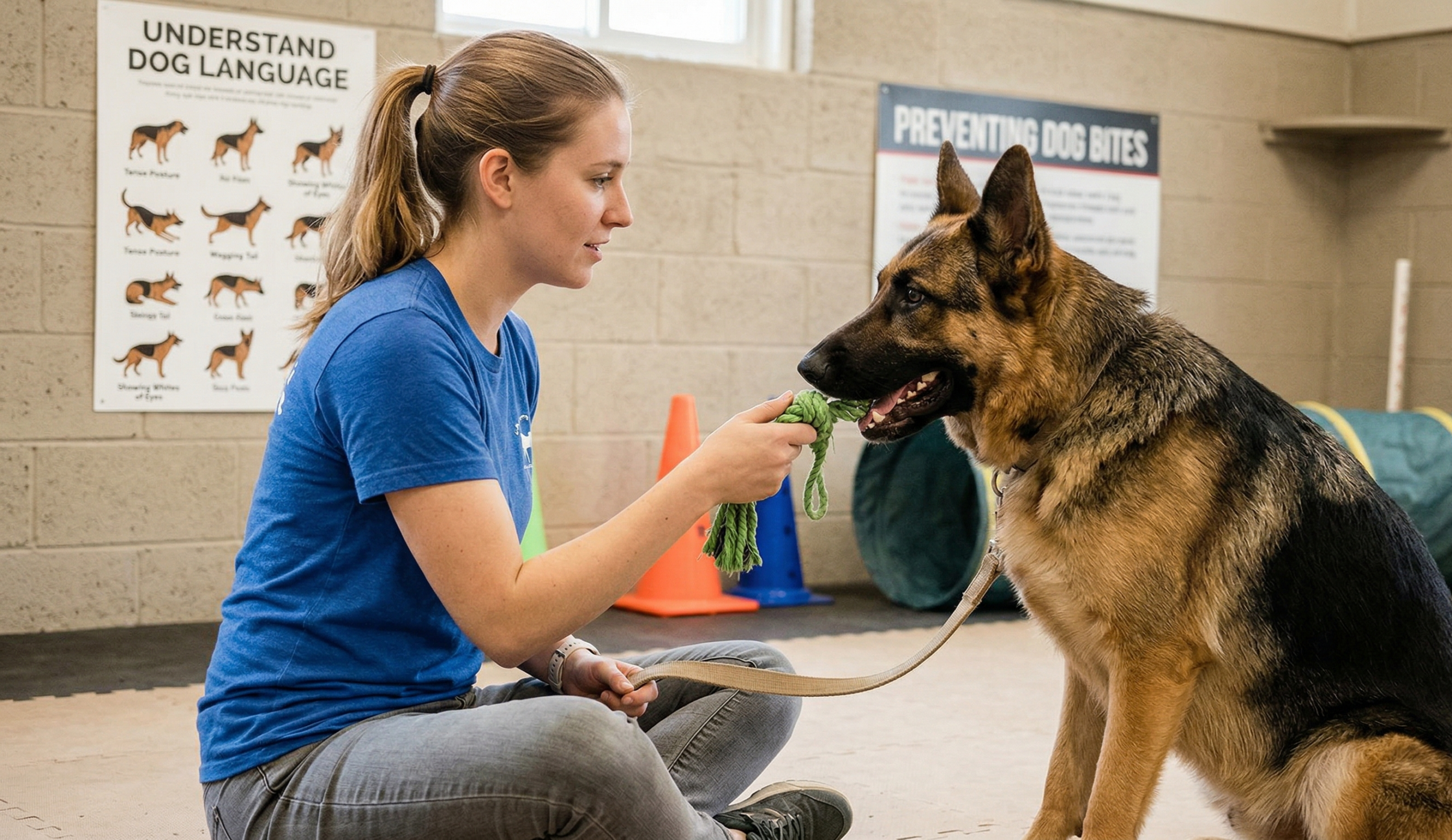
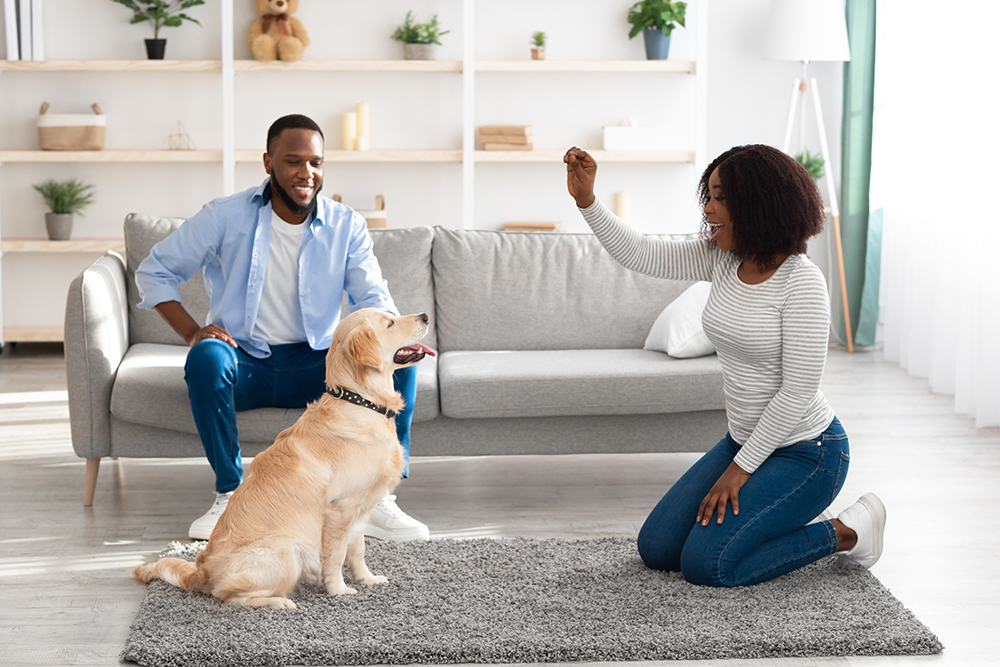
- Behavioral Therapy: Implement behavior modification techniques. Positive reinforcement can reduce anxiety-related traits.
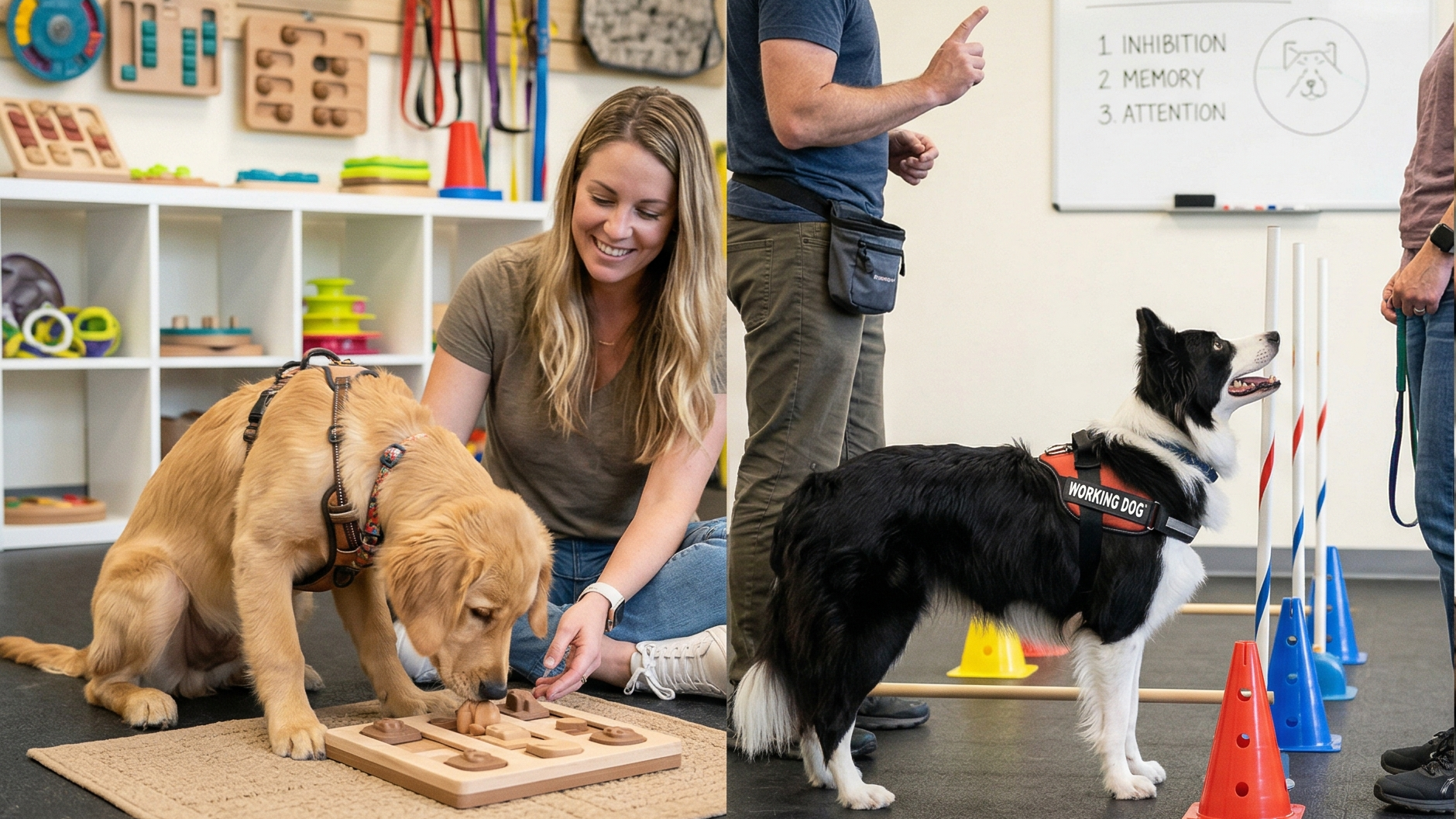
- Environmental Enrichment: Offer mental stimulation through puzzles and interactive toys. Keeping dogs engaged can enhance cognitive function.
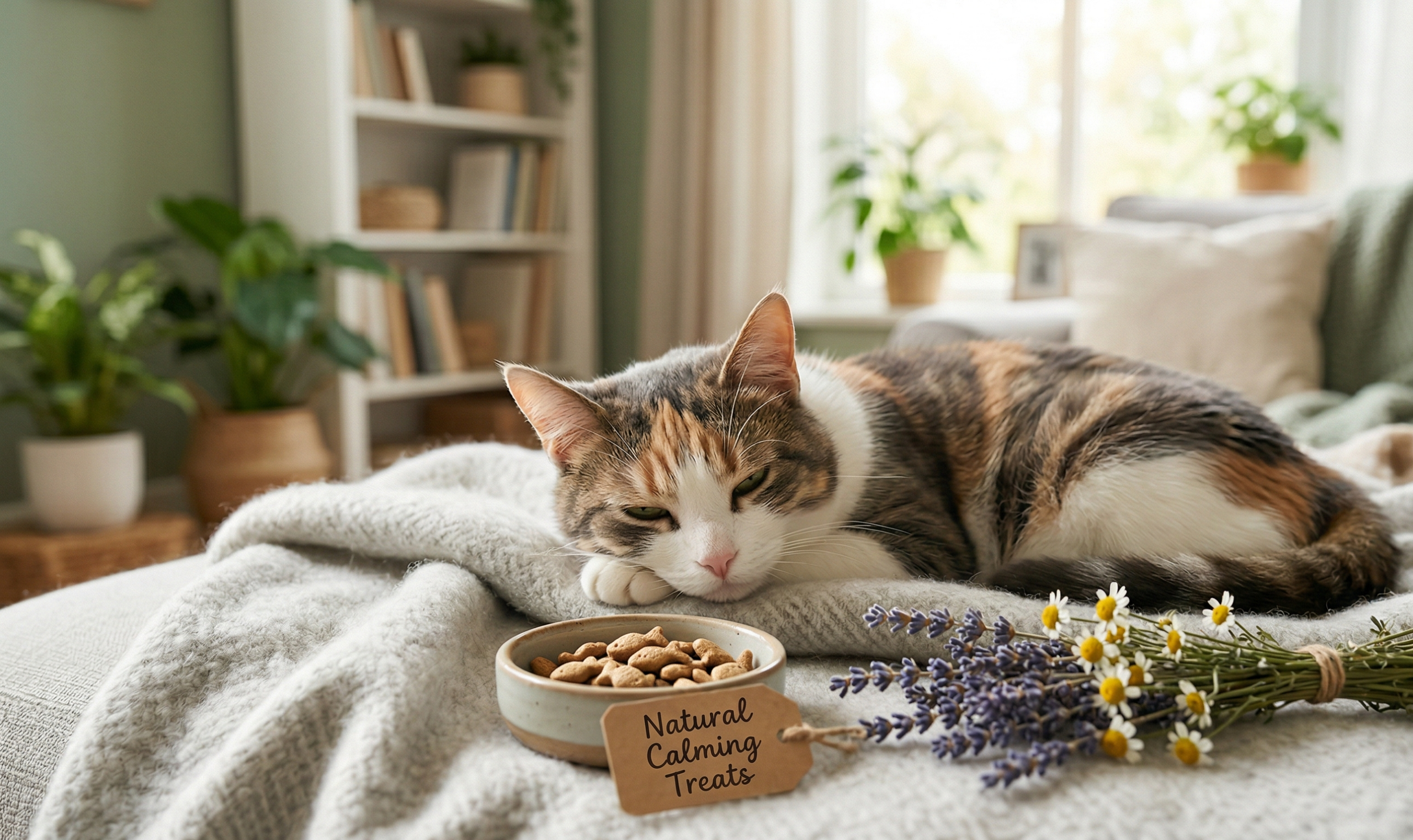
- Mindfulness Practices: Explore calming techniques such as massage therapy or aromatherapy. These practices can alleviate stress and promote relaxation.
Future Directions in Research
Future studies should employ longitudinal designs to clarify immune-behavior associations in aging dogs. Incorporating additional inflammatory markers and stress assessments will enhance understanding. Exploring these dynamics will help identify resilient aging trajectories, guiding individualized interventions.
Veterinary professionals play a crucial role in addressing emotional aging in dogs. Understanding immune profile associations can help in implementing targeted strategies.